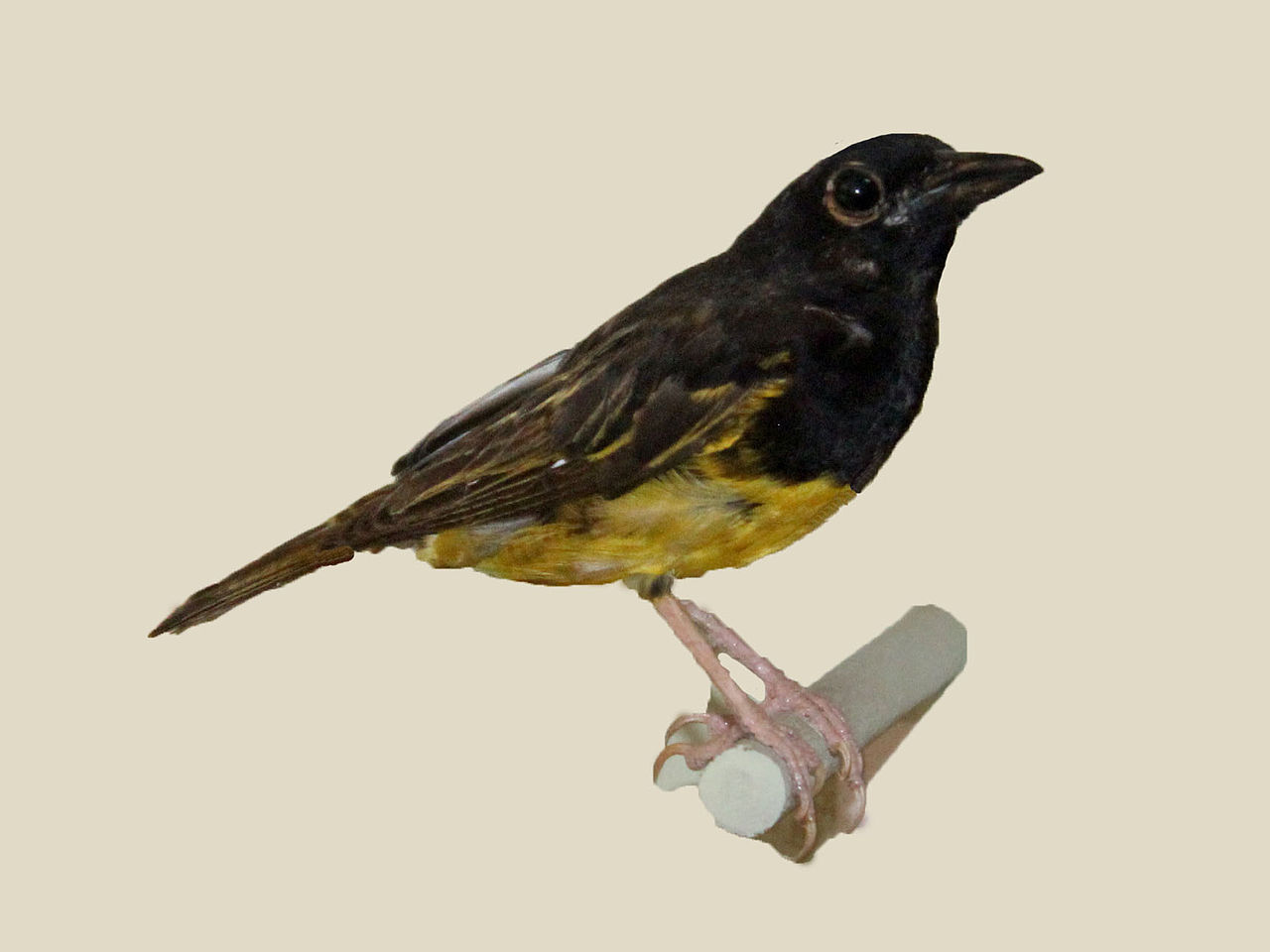
The Kidepo lark is a species of lark in the family Alaudidae found in South Sudan and Uganda. It was formerly treated as a subspecies of the red-winged lark.
Region
East Africa
Typical Environment
Occurs locally in northeastern Uganda (Kidepo Valley) and adjacent South Sudan, favoring open, sparsely vegetated savanna and short-grass plains. It frequents areas with scattered shrubs, termite mounds, and patches of bare earth for ground foraging. The species is often associated with lightly to moderately grazed grassland and can benefit temporarily from post-burn regrowth. It avoids tall, dense grass and extensive cultivation.
Altitude Range
600–1500 m
Climate Zone
Arid
Ease of Keeping
Beginner friendly: 1/5
Named after Uganda’s Kidepo Valley, this scarce lark inhabits open, short-grass savannas with patches of bare ground. It was formerly treated as a subspecies of the red-winged lark but is now widely recognized as a distinct species. Its rufous wing panels are most visible in flight, helping separate it from similar brown larks. Habitat changes from overgrazing and bush encroachment are considered potential threats.
Temperament
wary and terrestrial
Flight Pattern
short rapid wingbeats with brief glides; fluttering song flights
Social Behavior
Typically encountered singly, in pairs, or small family groups. Nests on the ground in a shallow cup, often tucked under a grass tuft for concealment. Likely monogamous during the breeding season, with both parents attending young.
Migratory Pattern
Resident
Song Description
A musical, varied series of trills and whistles delivered from a perch or during a fluttering song flight. Calls include dry chips and softer contact notes while foraging on the ground.
Plumage
Sandy to buff-brown upperparts with fine dark streaking; paler underparts with streaked breast. Rufous wing panels are conspicuous in flight. Tail is dark with pale outer feathers and white tips; crown slightly streaked with a subtle pale supercilium.
Diet
Feeds on a mix of grass seeds and small invertebrates, including beetles, ants, termites, and grasshoppers. Insects form a larger proportion of the diet during breeding to meet protein demands. It picks items from bare ground and among short turf, sometimes probing around termite mounds.
Preferred Environment
Forages in open short-grass savanna, lightly grazed plains, and recently burned areas with fresh regrowth. Prefers mosaics of bare soil and low vegetation for unobstructed ground feeding.