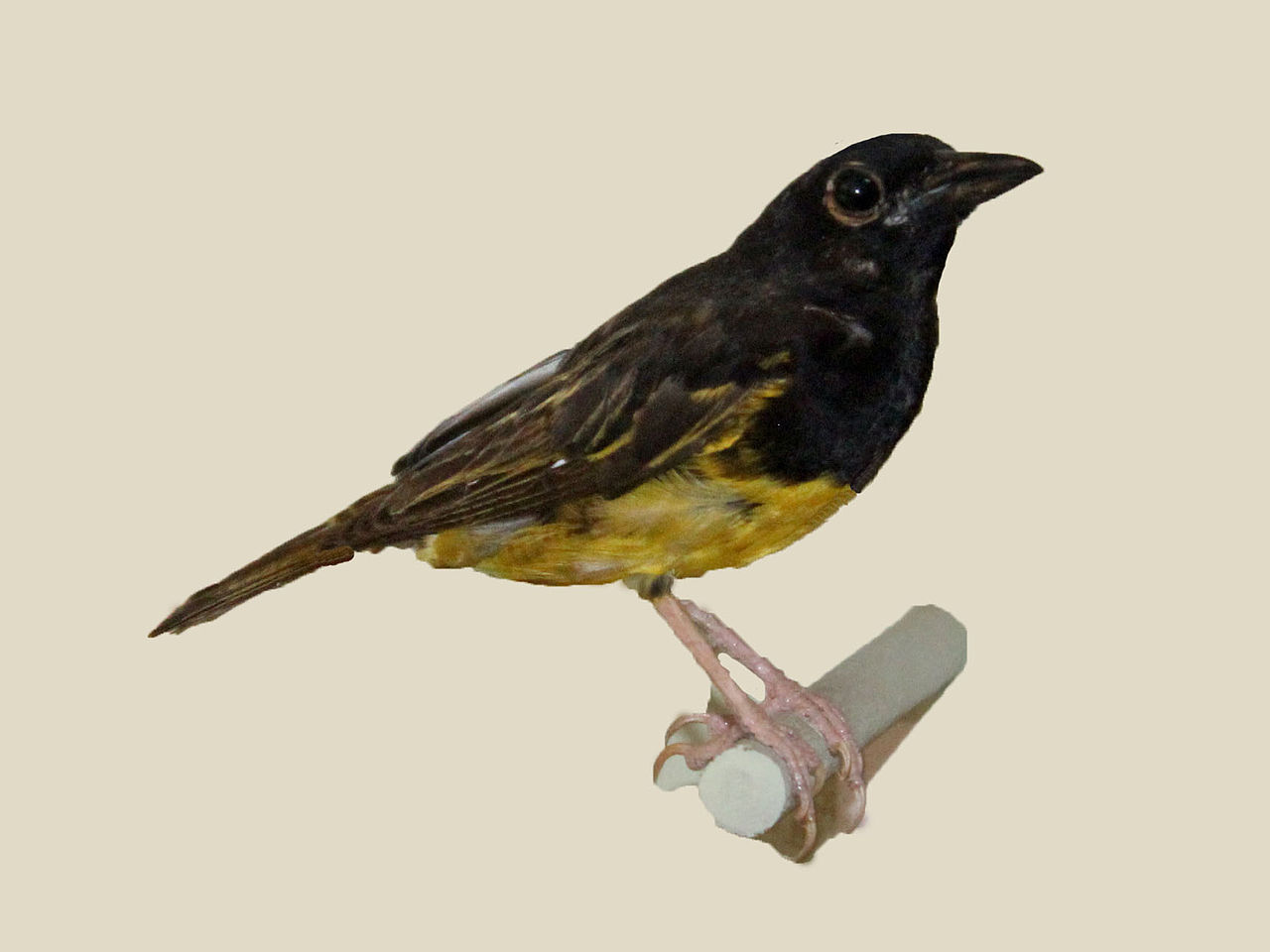
The Key West quail-dove is a species of bird from the doves and pigeon family Columbidae. It is probably most closely related to the bridled quail-dove.
Region
Greater Antilles and Bahamas
Typical Environment
Found primarily on the larger islands of the Greater Antilles, including Cuba, Jamaica, Hispaniola, and Puerto Rico, with occurrences on parts of the Bahamas. It inhabits dense evergreen and semi-deciduous forests, coastal coppice, and thick secondary growth. Birds typically stay on or near the forest floor, favoring shady understory with abundant leaf litter. Rare vagrants have reached the Florida Keys.
Altitude Range
Sea level to 1500 m
Climate Zone
Tropical
Ease of Keeping
Beginner friendly: 1/5
A secretive ground-dwelling dove of the Caribbean, it forages quietly in dense forest leaf litter. The species is named for Key West, Florida, where it once occurred but is now only a rare vagrant to the United States. It is closely related to the bridled quail-dove and shares similar forest-floor habits. Habitat loss and disturbance can locally depress numbers.


Temperament
solitary and secretive
Flight Pattern
short rapid wingbeats with low, fast dashes through cover
Social Behavior
Usually encountered alone or in pairs, keeping to dense understory. Nests are flimsy platforms placed low in shrubs or small trees. Typical clutches are 1–2 white eggs, with both parents sharing incubation and chick rearing.
Migratory Pattern
Resident
Song Description
A soft, mournful series of low cooing notes delivered from concealed perches. Calls are subdued and can be difficult to locate in dense forest.
Plumage
Upperparts rich rufous-chestnut with bronze-green to purplish iridescence on the neck; underparts buff to cinnamon with a clean white throat. Face grayish with contrasting dark malar line and a fine pale facial stripe. Tail dark with slight sheen; wings warm chestnut with darker bars.
Diet
Feeds on fallen seeds, small fruits, and berries gathered from the forest floor. Will also take small invertebrates such as insects and snails, especially when feeding young. Foraging is deliberate, with the bird walking and gleaning items from leaf litter.
Preferred Environment
Dense forest understory, thickets, and coastal coppice with abundant leaf litter. Often forages along shaded trails and edges where fruit and seeds accumulate.