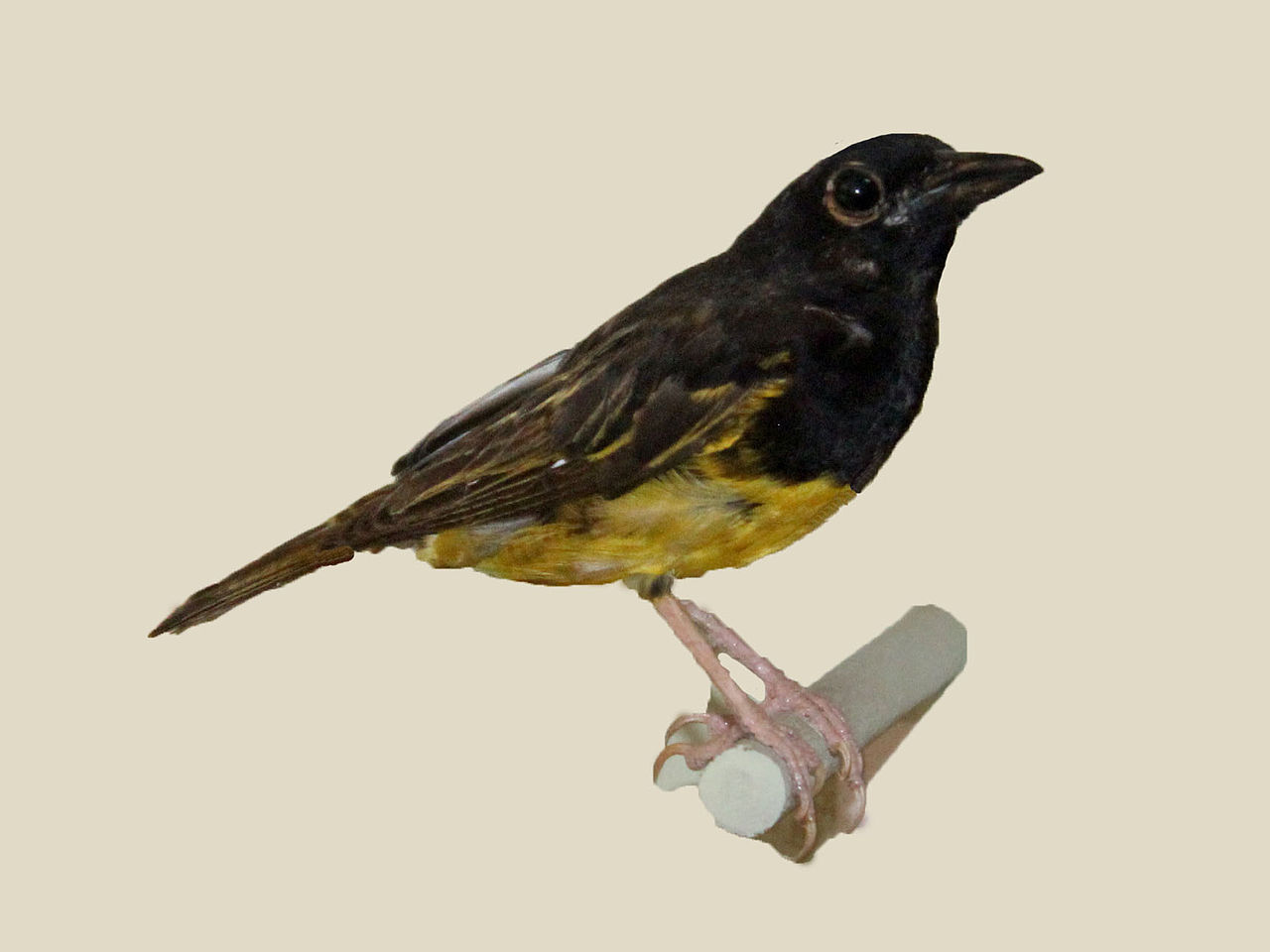
The Kerguelen tern is a tern of the Southern Hemisphere.
Region
Subantarctic South Indian Ocean
Typical Environment
Primarily associated with the Kerguelen Archipelago, with records from nearby subantarctic islands in the south Indian Ocean. It favors rugged coastlines, kelp-fringed bays, rocky islets, and gravel spits close to nearshore waters. Nest sites are usually slightly elevated above the splash zone, on shingle, mossy turf, or sparse vegetation with good visibility. Outside the breeding period, it remains coastal, dispersing locally rather than undertaking long migrations.
Altitude Range
Sea level to 200 m
Climate Zone
Polar
Ease of Keeping
Beginner friendly: 1/5
The Kerguelen tern is a little-known seabird restricted to the subantarctic Indian Ocean, where it remains near its breeding grounds year-round. It nests in small, scattered colonies or pairs, often on gravel beaches or low coastal turf, and is highly vulnerable to introduced predators and human disturbance. Its similarity to the Antarctic tern can complicate field identification, but it tends to be darker and more localized. Conservation measures focus on predator control and protection of sensitive coastal breeding sites.

Temperament
social and active
Flight Pattern
short rapid wingbeats with agile hovering and quick dips
Social Behavior
Breeds in small, loose colonies or isolated pairs, often well-dispersed to reduce predation risk. Both adults share incubation and chick-rearing, nesting in shallow scrapes on open ground or low vegetation. Outside breeding, it forms small flocks along productive coastlines and kelp lines.
Migratory Pattern
Resident
Song Description
Calls are sharp, rasping kip and kree notes, often given in flight or during territorial displays. Softer churring contact calls are exchanged between mates at the nest.
Plumage
Clean, smooth plumage with medium-grey upperparts and pale grey to whitish underparts; classic tern-like sleek appearance.
Diet
Feeds mainly on small fish, amphipods, krill, and other marine invertebrates captured at or just below the surface. It uses hover-and-dip tactics and occasional shallow plunge-dives. Foraging often concentrates along tide rips, eddies, and kelp edges where prey is concentrated.
Preferred Environment
Nearshore marine waters, sheltered bays, and around kelp beds and rocky islets. Frequently forages in small groups, sometimes associating with other seabirds over schooling prey.