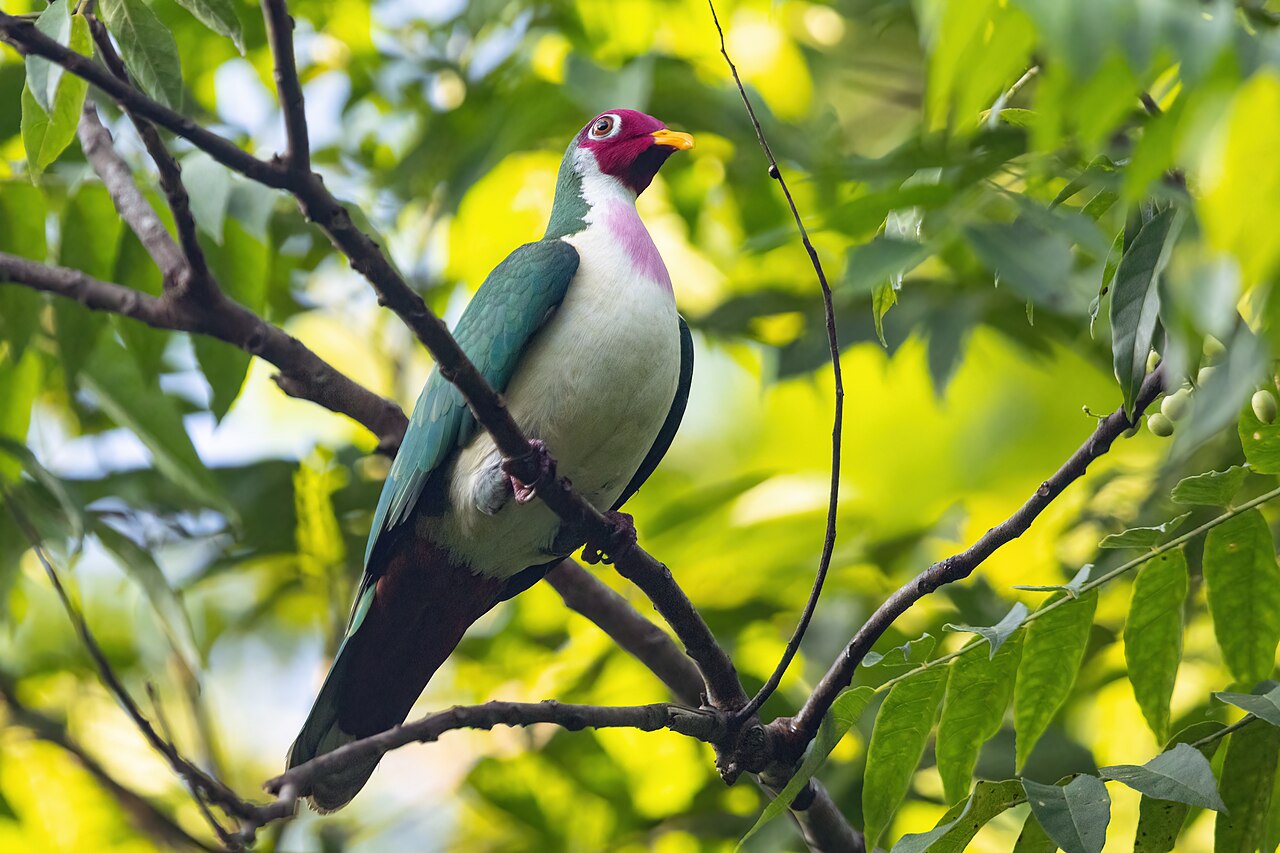
The Jamaican spindalis is one of four species of bird in family Spindalidae. It is endemic to Jamaica.
Region
Caribbean
Typical Environment
Occurs throughout Jamaica in suitable wooded habitats, from lowland thickets to montane forests. It is especially common in upland broadleaf and pine plantations, forest edges, and second-growth. The species also uses coffee farms, gardens, and fruiting trees near settlements. It often forages from mid-story to canopy, moving methodically among branches.
Altitude Range
Sea level to 2200 m
Climate Zone
Tropical
Ease of Keeping
Beginner friendly: 2/5
The Jamaican spindalis is one of four closely related spindalis species in the Caribbean and is found only in Jamaica. Males show a striking black-and-white head pattern that contrasts with olive and yellow body tones, while females are duller and more streaked. It frequents forest edges and upland woods and readily visits fruiting trees. Its varied diet helps disperse seeds of native plants.


Female

Temperament
alert and active
Flight Pattern
short rapid wingbeats
Social Behavior
Usually seen singly, in pairs, or small family groups; occasionally joins mixed-species flocks while foraging. During breeding, pairs defend small territories and build a cup nest concealed in foliage. They are attentive parents, with both adults participating in feeding the young.
Migratory Pattern
Resident
Song Description
Song is a series of thin, high-pitched whistles and sweet warbles delivered from a mid- to upper-story perch. Calls include sharp chips and soft tseet notes used to maintain contact while foraging.
Plumage
Males have a bold black head with crisp white supercilium and malar stripes, olive-green upperparts with two white wingbars, and yellow to yellow-orange underparts. Females are browner-olive with faint facial striping, buffy underparts, and less contrast overall. Both sexes show a sturdy, conical bill and subtly streaked flanks.
Diet
Primarily eats fruit and berries from native and introduced trees, including figs and other fleshy-fruited species. Supplements diet with insects such as caterpillars and beetles, especially during the breeding season. Will also take nectar and occasionally small seeds when fruit is scarce.
Preferred Environment
Forages in forest edges, secondary growth, and gardens, working methodically among fruiting branches. Often feeds from mid-canopy to canopy, occasionally descending to shrubs and coffee bushes.