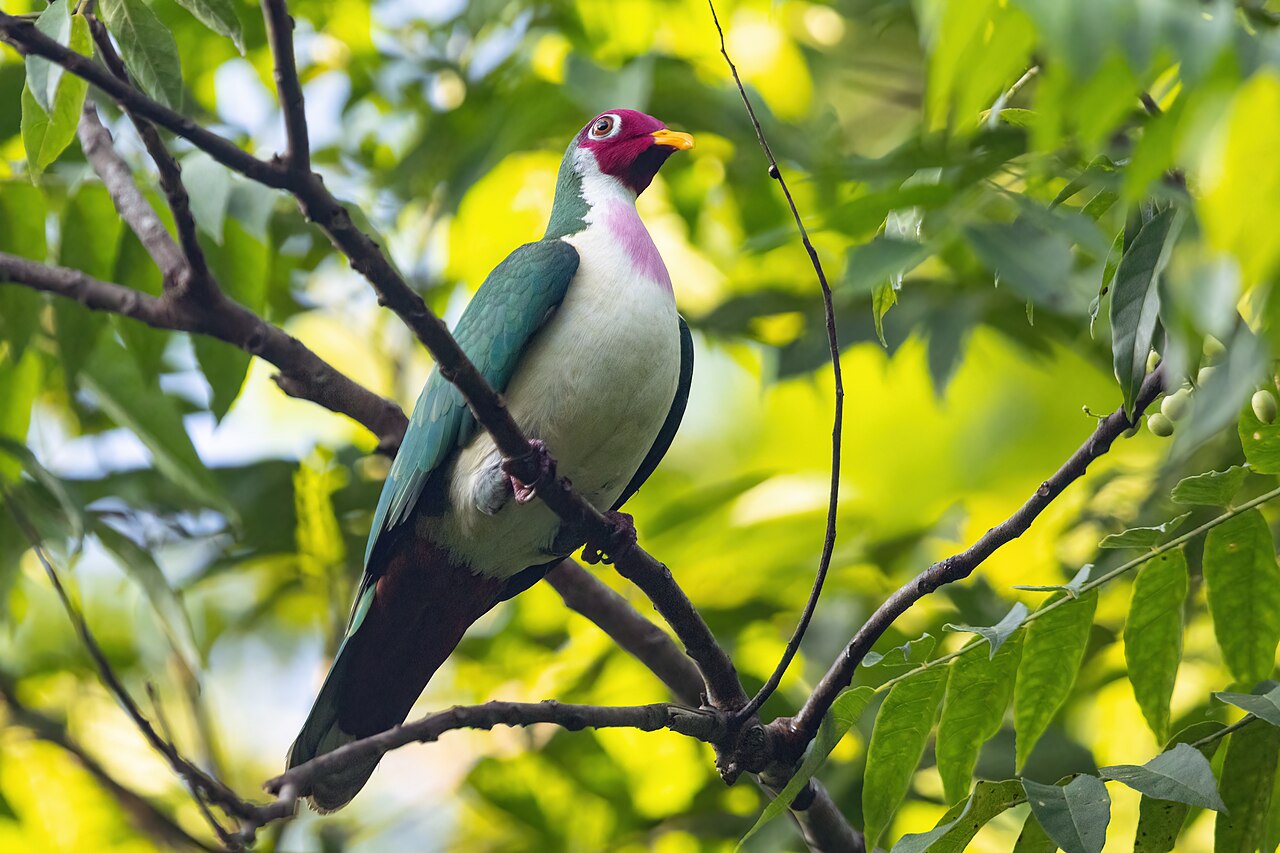
The Jamaican woodpecker is a species of bird in subfamily Picinae of the woodpecker family Picidae. It is endemic to Jamaica.
Region
Caribbean (Greater Antilles)
Typical Environment
Occurs across the island of Jamaica in a variety of wooded habitats, from lowland coastal areas to upland forests. It is common in secondary woodland, coffee and citrus plantations, gardens with mature trees, and mangroves. The species readily exploits dead trunks and limbs for foraging and nesting. It tolerates human-modified landscapes provided large trees or snags are available.
Altitude Range
Sea level to 2000 m
Climate Zone
Tropical
Ease of Keeping
Beginner friendly: 1/5
Endemic to Jamaica, this woodpecker adapts well to wooded suburbs, plantations, and natural forests. It excavates nest cavities that are later used by other birds and small fauna, aiding local biodiversity. Its diet includes both insects and fruits, helping control pests and disperse seeds. The bold black-and-white barring and red crown make it easy to recognize.


Temperament
active and territorial
Flight Pattern
undulating flight with short rapid wingbeats
Social Behavior
Usually seen singly or in pairs, sometimes in small family groups after breeding. Pairs excavate nest cavities in dead or decaying wood and may reuse or enlarge holes in subsequent seasons. Both sexes incubate and feed the young, and fledglings often accompany parents while learning foraging sites.
Migratory Pattern
Resident
Song Description
Vocal and conspicuous, giving sharp rattling ‘churr’ and ‘rattle’ calls. Drumming is rapid and resonant, used for territory advertisement and pair communication. Calls carry well through forest edges and open woodland.
Plumage
Boldly barred black-and-white back and wings, with buff to whitish underparts lightly streaked on the breast. Head brownish-buff with a red crown/nape patch; males show more extensive red than females. Tail dark with pale barring; overall ‘zebra-backed’ appearance.
Diet
Consumes wood-boring beetle larvae, ants, termites, and other insects gleaned from bark and dead wood. Also takes fruits and berries from native and cultivated trees, and occasionally sips nectar. Will probe, flake bark, and sometimes sally out to catch flying insects. Diet varies seasonally with fruit availability.
Preferred Environment
Forages on trunks, snags, and larger branches, frequently in edge habitats, gardens, and plantations. Often visits fruiting trees such as figs, citrus, and mango, and uses coconut palms for feeding and nesting. Prefers areas with scattered mature trees.