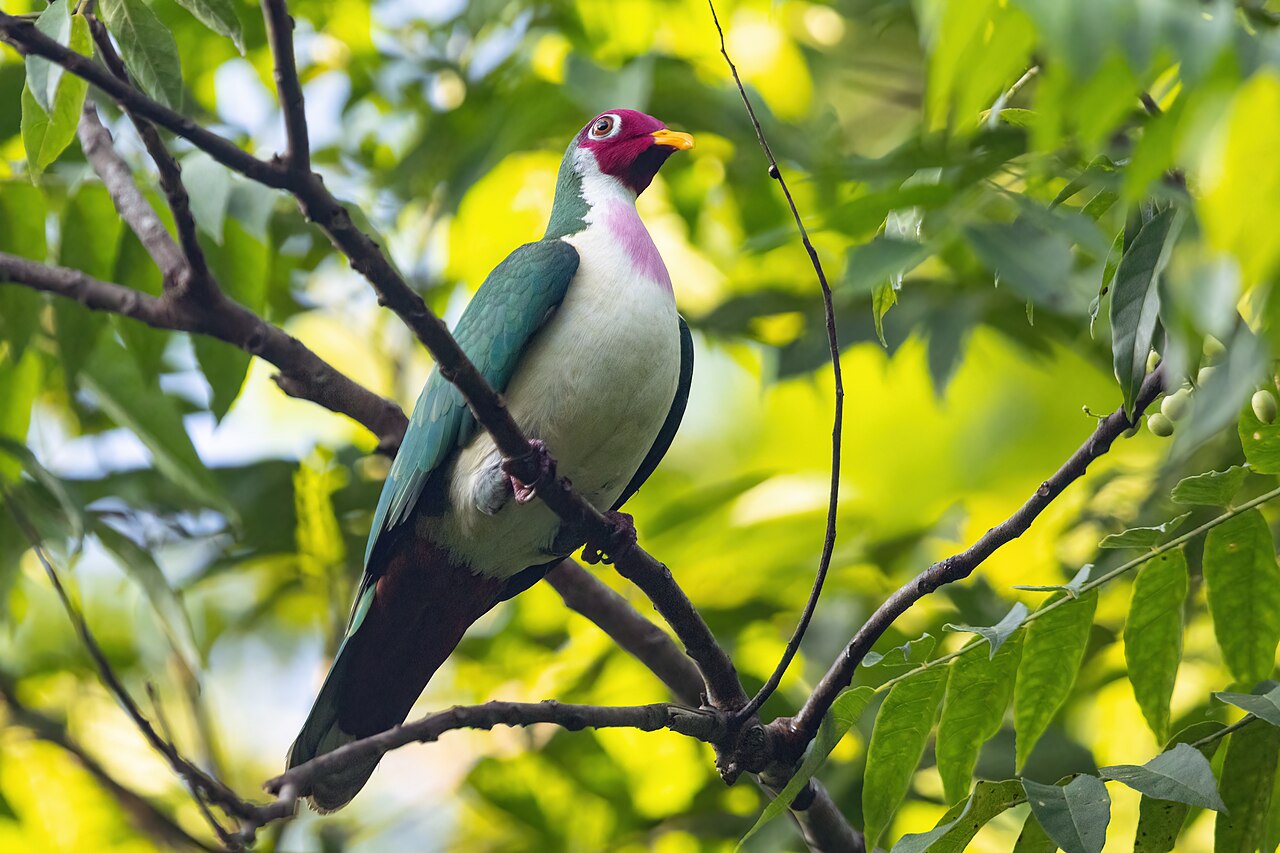
The Jamaican vireo is a species of bird in the family Vireonidae. It is endemic to Jamaica. Its natural habitats are subtropical or tropical dry forest, subtropical or tropical moist lowland forest, subtropical or tropical moist montane forest, and heavily degraded former forest.
Region
Caribbean (Jamaica)
Typical Environment
Occurs island-wide in Jamaica in a range of wooded habitats, including dry forest, moist lowland forest, and montane forest. It readily uses forest edges, thickets, plantations, and gardens. The species tolerates degraded and secondary forests and may be common in scrubby areas. Typically forages from the lower to mid-canopy but will descend to shrubs and move into taller trees depending on food availability.
Altitude Range
Sea level to 1800 m
Climate Zone
Tropical
Ease of Keeping
Beginner friendly: 1/5
This foliage-gleaning vireo is common across Jamaica and adapts well to edge habitats and secondary growth. It often joins mixed-species flocks and helps control leaf-chewing insects like caterpillars. Pairs build suspended cup nests in forked branches, and both sexes tend the young. Its persistent, scolding song makes it easier to detect than to see.


Temperament
active and moderately territorial
Flight Pattern
short rapid wingbeats with quick, direct hops between perches
Social Behavior
Usually seen singly or in pairs, especially during the breeding season. Builds a suspended cup nest in a forked branch; both parents incubate and feed nestlings. Frequently joins mixed-species foraging flocks outside the breeding period.
Migratory Pattern
Resident
Song Description
A series of clear, whistled phrases interspersed with scolding, buzzy notes, repeated at regular intervals. Calls include sharp chips and raspy scolds when agitated.
Plumage
Olive-green upperparts with a grayish-tinged head and plain, unstreaked appearance; underparts are whitish to buff with a faint yellow wash on the flanks. Lacks prominent wingbars and has a stout, slightly hooked vireo bill. Subtle pale supercilium and dusky lores give a mild facial contrast.
Diet
Primarily gleans insects and other arthropods from leaves and twigs, including caterpillars, beetles, and spiders. Will also take small berries and other soft fruits, especially when insect prey is less abundant. Occasionally sallies a short distance to snatch prey from the air.
Preferred Environment
Forages in forest edges, secondary growth, gardens, and within the lower to mid-canopy of dry to moist forests. Often works methodically through foliage, sometimes joining mixed flocks to exploit insect flushes.