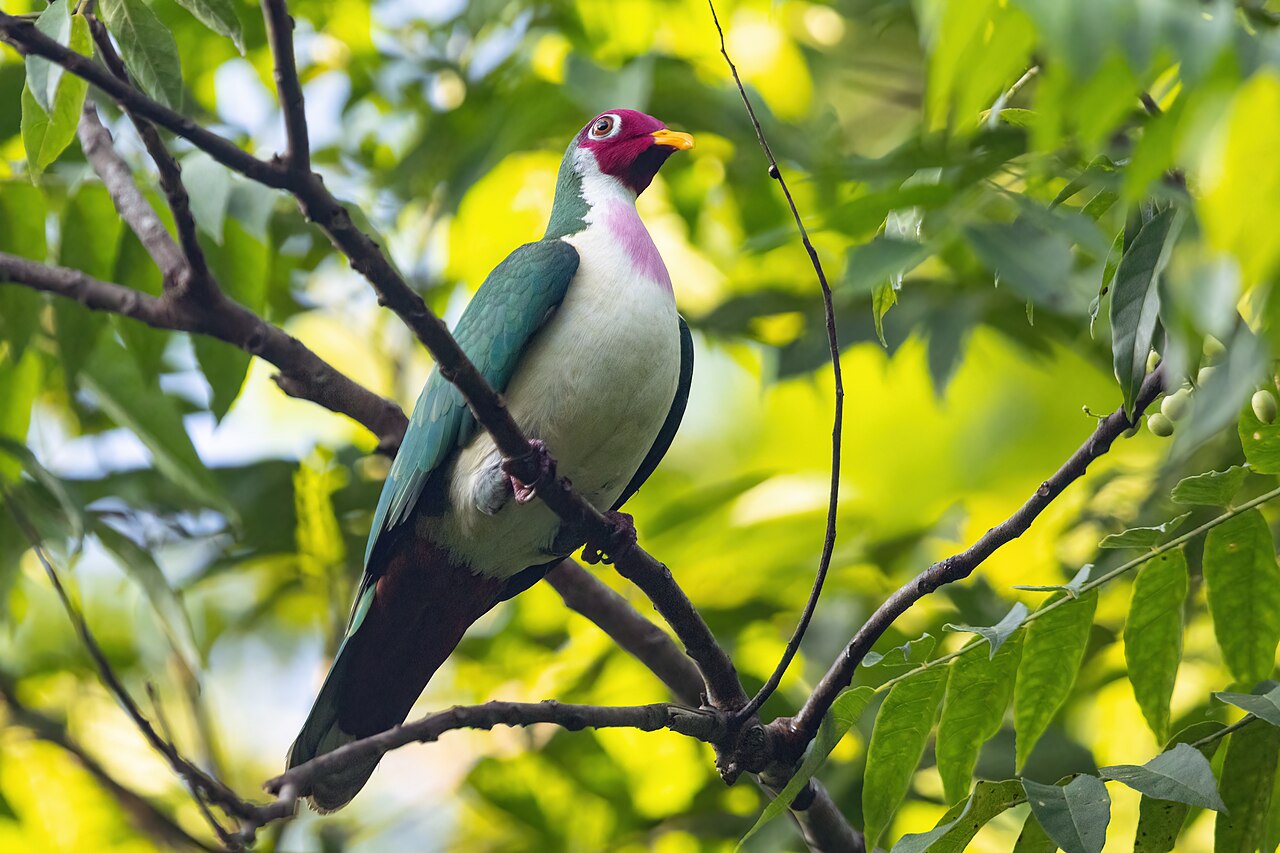
The Jamaican tody is a species of bird in the genus Todus endemic to Jamaica. Local names for the Jamaican tody include rasta bird, robin and robin redbreast.
Region
Caribbean (Jamaica)
Typical Environment
Occurs across Jamaica in a wide range of wooded habitats, including wet limestone forest, montane and foothill forest, second-growth thickets, and shaded coffee plantations. It favors shady interiors and forest edges with plenty of perches and dense foliage for ambush-hunting. Ravines, gullies, and karst terrain are commonly used, provided there are suitable earthen banks for nesting. It tolerates semi-altered habitats but is scarce in very open or heavily degraded areas.
Altitude Range
Sea level to 1500 m
Climate Zone
Tropical
Ease of Keeping
Beginner friendly: 1/5
A tiny, bright-green tody found only in Jamaica, it is known locally as the rasta bird or robin redbreast. It nests by burrowing tunnels into earthen banks or rotten wood, where it lays glossy white eggs. Pairs maintain small territories and hunt by sit-and-wait sallying to snatch insects from foliage. The whirring sound of its rapid wings is often heard just before the bird is seen.

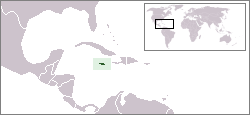

The Blue Mountains in Jamaica are one of the Jamaican tody's most common habitats

Jamaican tody perched on branch in tree
Temperament
solitary and territorial (usually in pairs)
Flight Pattern
short rapid wingbeats with brief hovers and direct, low sallies
Social Behavior
Typically found in pairs that defend small territories year-round. The species excavates a burrow nest in earthen banks or rotting trunks, where both sexes participate in digging and rearing the young. Clutches are small with glossy white eggs, and fledglings remain near parents for a short period.
Migratory Pattern
Resident
Song Description
A series of dry ticks and sharp pit-pit notes, often delivered from a low perch. Also gives rattling trills and a soft chatter; wingbeats produce an audible whirr during short dashes.
Plumage
Bright green upperparts with white underparts washed pink on the flanks; vivid red throat bordered by a narrow white malar line; short, rounded wings and tail.
Diet
Primarily hunts small insects such as beetles, flies, wasps, and caterpillars, as well as spiders. It often sits quietly, then darts to pluck prey from the underside of leaves or snatches it mid-air in short sallies. Occasionally takes small lizards or other tiny invertebrates when available. Prey is usually subdued by striking it against a perch.
Preferred Environment
Feeds in shaded forest understory and mid-canopy, along edges, and in wooded ravines. Often hunts from low, horizontal perches with good visibility of surrounding foliage.