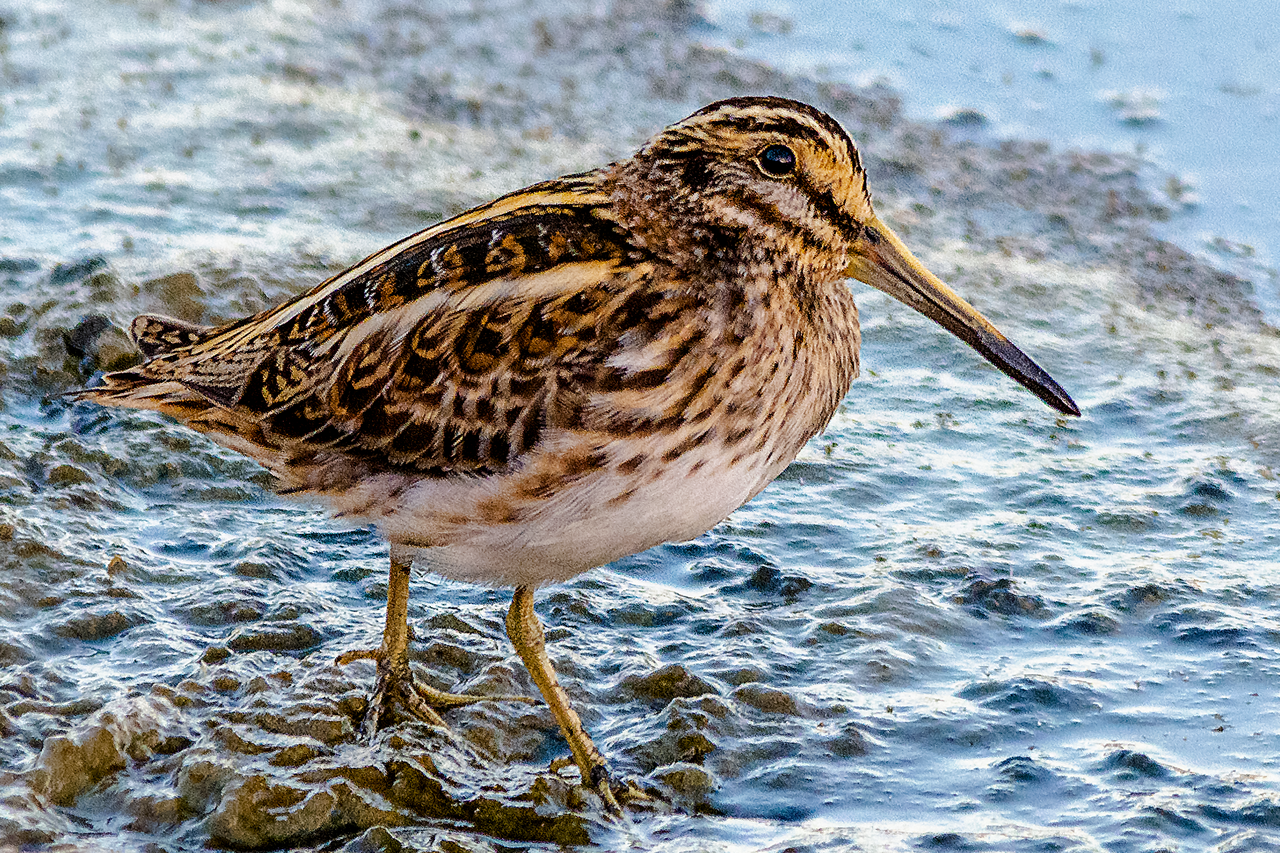
The ivory-billed woodcreeper is a species of bird in the subfamily Dendrocolaptinae of the ovenbird family Furnariidae. It is found in Belize, Costa Rica, El Salvador, Guatemala, Honduras, Mexico, and Nicaragua.
Region
Mesoamerica
Typical Environment
Occurs from southern Mexico through Belize, Guatemala, El Salvador, Honduras, and Nicaragua to northwestern Costa Rica. Prefers lowland and foothill tropical forests, semi-open woodlands, and forest edges. Common in second-growth and gallery forests and adapts to shaded plantations such as cacao or coffee. Forages mostly on trunks and large limbs, often from the understory up to mid-canopy.
Altitude Range
Sea level to 1500 m
Climate Zone
Tropical
Ease of Keeping
Beginner friendly: 1/5
Named for its pale, ivory-colored bill, this woodcreeper clings to trunks and large branches, probing bark for hidden insects. It often joins mixed-species flocks and will sometimes follow army ant swarms to catch flushed arthropods. Pairs nest in natural cavities or old woodpecker holes. Its presence helps control forest insect populations.


X. f. eburneirostris showing back pattern

Temperament
wary and unobtrusive
Flight Pattern
short rapid wingbeats between trunks; mostly creeping rather than sustained flight
Social Behavior
Usually seen singly or in pairs, often accompanying mixed-species flocks. Nests in tree cavities, including old woodpecker holes or decayed palms. Likely monogamous, with both parents participating in feeding the young.
Migratory Pattern
Resident
Song Description
Delivers clear, whistled phrases that may ascend or descend, often a mellow, piping series. Calls include sharp, thin notes and soft chatter given while foraging.
Plumage
Warm rufous-brown overall with fine buffy streaking on the head, neck, and upper breast; underparts often rich cinnamon to rufescent. Tail is rufous and stiff, aiding in bracing against trunks. Plumage appears smooth with subtle streaking rather than bold barring.
Diet
Primarily consumes insects and other arthropods such as beetles, ants, cockroaches, and spiders. Probes bark crevices and scales, gleaning prey from trunks and large branches. Occasionally takes small vertebrates like tiny lizards or tree frogs.
Preferred Environment
Forages on vertical and inclined substrates in forest interiors, edges, and mature second growth. Frequently joins mixed flocks and sometimes follows army ant swarms to capture flushed prey.