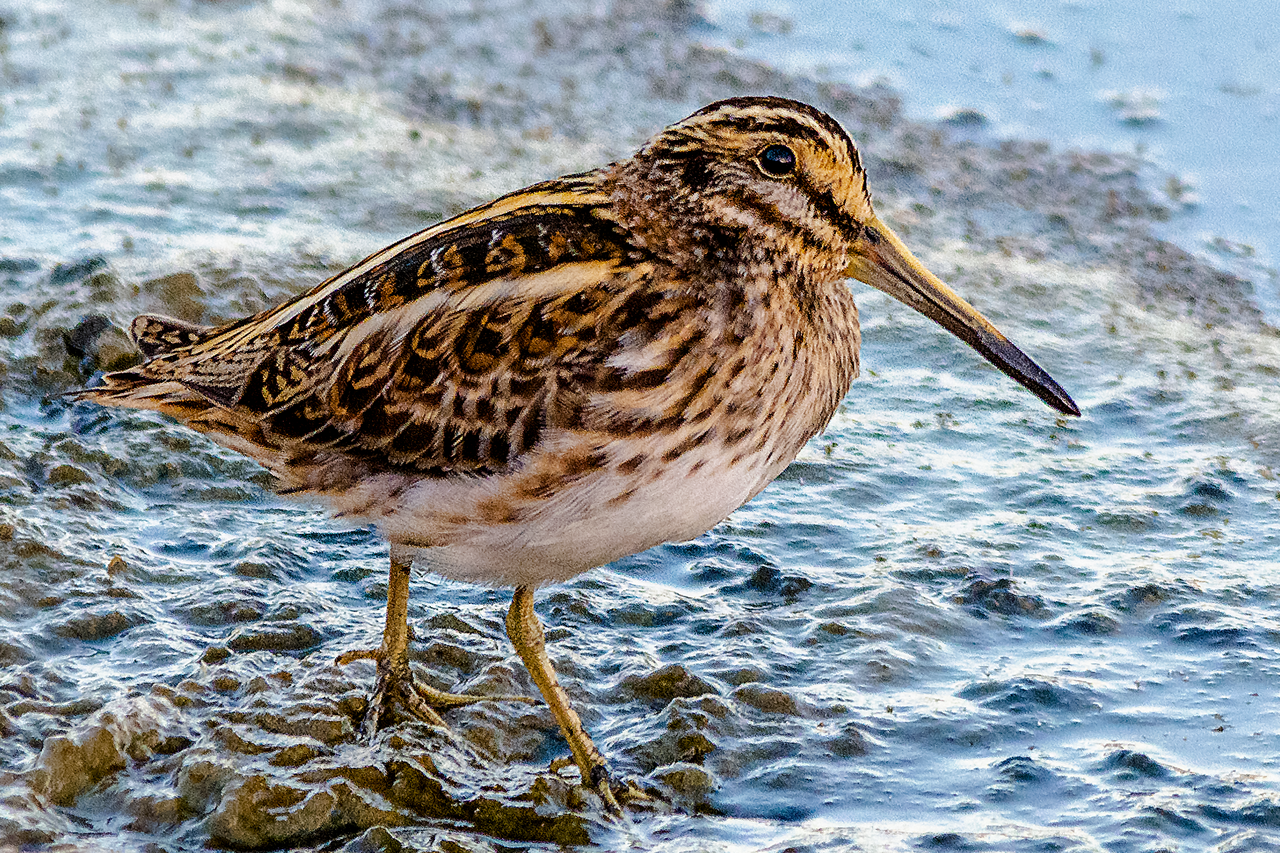
The Izu thrush or Izu Islands thrush is a bird of the thrush family native to Japan.
Region
East Asia
Typical Environment
Occurs on several of the Izu Islands south of Honshu, favoring mature evergreen broadleaf forest, secondary woodland, and moist ravines. It frequents dense understory with abundant leaf litter for foraging. Forest edges and regenerating areas after volcanic disturbance are also used when cover is available. Nesting typically occurs in low trees or shrubs within sheltered forest patches. It avoids open habitats.
Altitude Range
Sea level to 900 m
Climate Zone
Subtropical
Ease of Keeping
Beginner friendly: 1/5
The Izu thrush is confined to Japan’s Izu Islands, where it inhabits dense evergreen forests and ravines. It is locally known as the Akakokko and is shy, often keeping to shadowy understory. Predation by invasive mammals and habitat disturbance have contributed to declines. Conservation efforts focus on invasive control and protecting key breeding habitats.

Temperament
shy and skulking
Flight Pattern
short rapid wingbeats through dense cover
Social Behavior
Typically seen singly or in pairs during the breeding season and becomes loosely gregarious in small groups outside of it. Likely monogamous with both sexes participating in nesting duties. Builds a cup-shaped nest in low trees or shrubs, often in shaded ravines. Territorial singing males defend small forest patches.
Migratory Pattern
Resident
Song Description
A rich, melodious thrush song with clear fluted phrases and mellow whistles delivered from concealed perches. Calls include sharp ticks and soft chucks when alarmed.
Plumage
Males are dark sooty-brown to blackish above with rich rufous-chestnut underparts and a clean, contrasting appearance; females are browner above with paler, more diffuse rufous below and light mottling. Feathers are smooth with minimal spotting compared to many thrushes.
Diet
Omnivorous, taking insects, spiders, and other invertebrates from the leaf litter, along with snails when available. Seasonally consumes berries and small fruits from native shrubs and trees. Will opportunistically glean caterpillars and beetles from low foliage. Foraging is mostly on or near the ground with frequent pauses to listen and probe.
Preferred Environment
Feeds in dense understory of evergreen forests, along shaded stream margins, and at forest edges with thick leaf litter. Occasionally visits fruiting trees within regenerating or secondary growth near forest interiors.