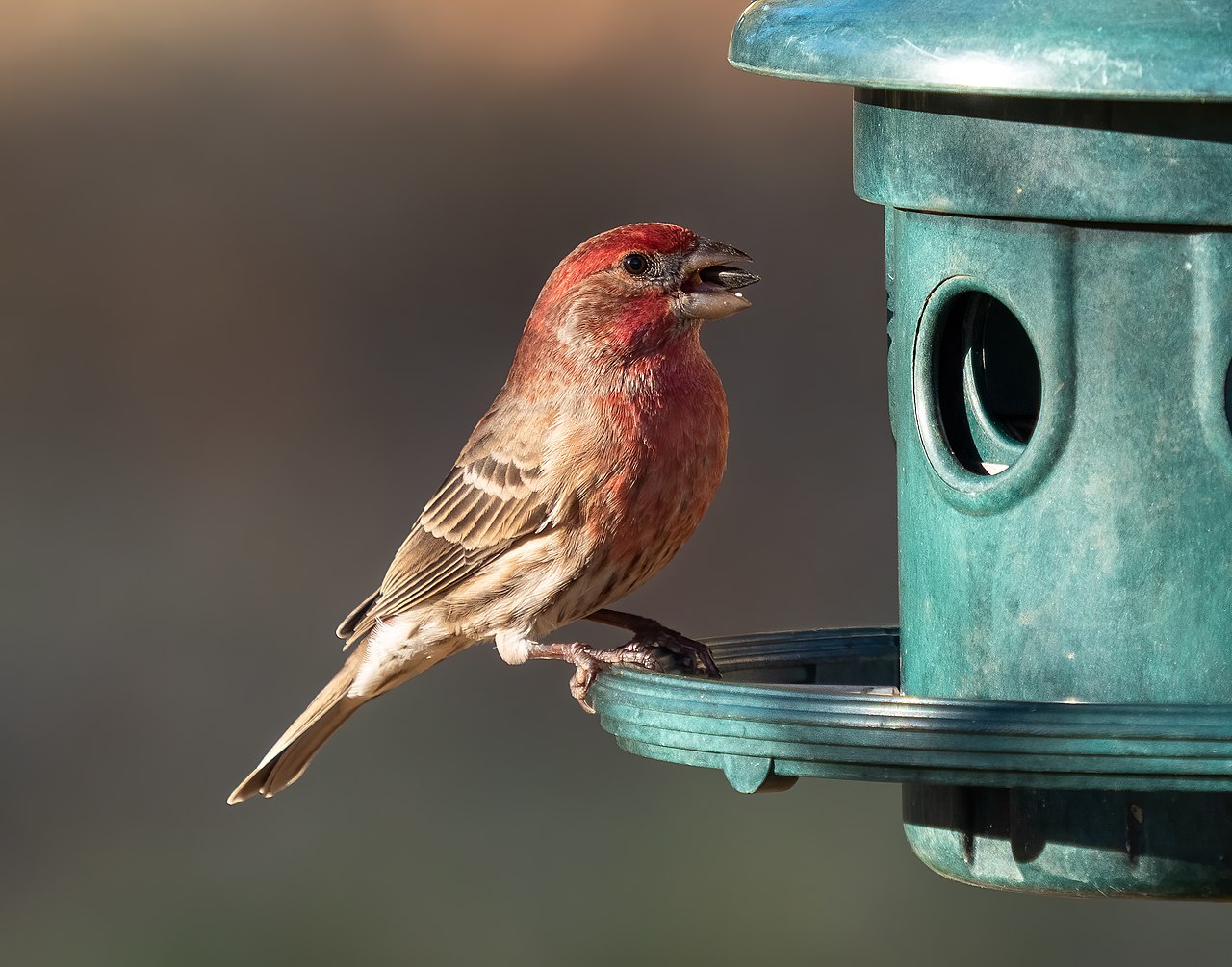
The house bunting is a passerine bird in the bunting family Emberizidae.
Region
Maghreb and Sahara margins
Typical Environment
Occurs widely across North Africa, especially in the Maghreb and adjacent Saharan oases. It frequents arid towns and villages, rocky slopes, wadis, and cliffs in foothills and mountains. The species readily exploits human structures for perching and nesting and is a familiar bird in many settlements. It also occupies cultivated plots and gardens near desert margins where seeds and insects are available.
Altitude Range
Sea level to 3000 m
Climate Zone
Arid
Ease of Keeping
Beginner friendly: 1/5
The house bunting is a passerine bird in the bunting family Emberizidae, notable for living closely alongside people in North African towns and villages. Males often sing from rooftops, walls, and streetlights, and the species readily nests in buildings, cliffs, and other crevices. It is closely related to the rock bunting and is adapted to arid and mountainous environments.

House bunting (Emberiza sahari) south of Tunisia

Eggs of Emberiza sahari MHNT
Temperament
confiding and moderately territorial
Flight Pattern
short rapid wingbeats with brief undulations
Social Behavior
Pairs defend small territories during the breeding season, often centered on a building crevice or wall niche used as a nest site. Outside breeding, small loose groups form around food sources or roosts in settlements. Nests are placed in cavities, ledges, or human structures; clutches typically contain 3–5 eggs.
Migratory Pattern
Resident
Song Description
A bright, tinkling series of clear notes and short trills, often delivered from elevated perches like rooftops and antennas. Calls include sharp chips and soft metallic notes used in contact and alarm.
Plumage
Warm rufous-brown upperparts with fine streaking, greyish head with subdued dark stripes, and rich rufous underparts. Wings show subtle pale edging creating faint wingbars; tail is dusky with paler edges. Overall, the pattern is less contrasting than similar rock bunting, with a warmer tone.
Diet
Feeds mainly on seeds of grasses and weeds, supplemented by grains and small plant material. During the breeding season it takes a higher proportion of insects and other invertebrates to feed nestlings. It also forages for crumbs and spilt grain around human habitation when available.
Preferred Environment
Forages on the ground in courtyards, alleys, market areas, and along stony tracks, as well as on rocky slopes and wadi edges. It uses low shrubs and walls for cover and perches while scanning for food.