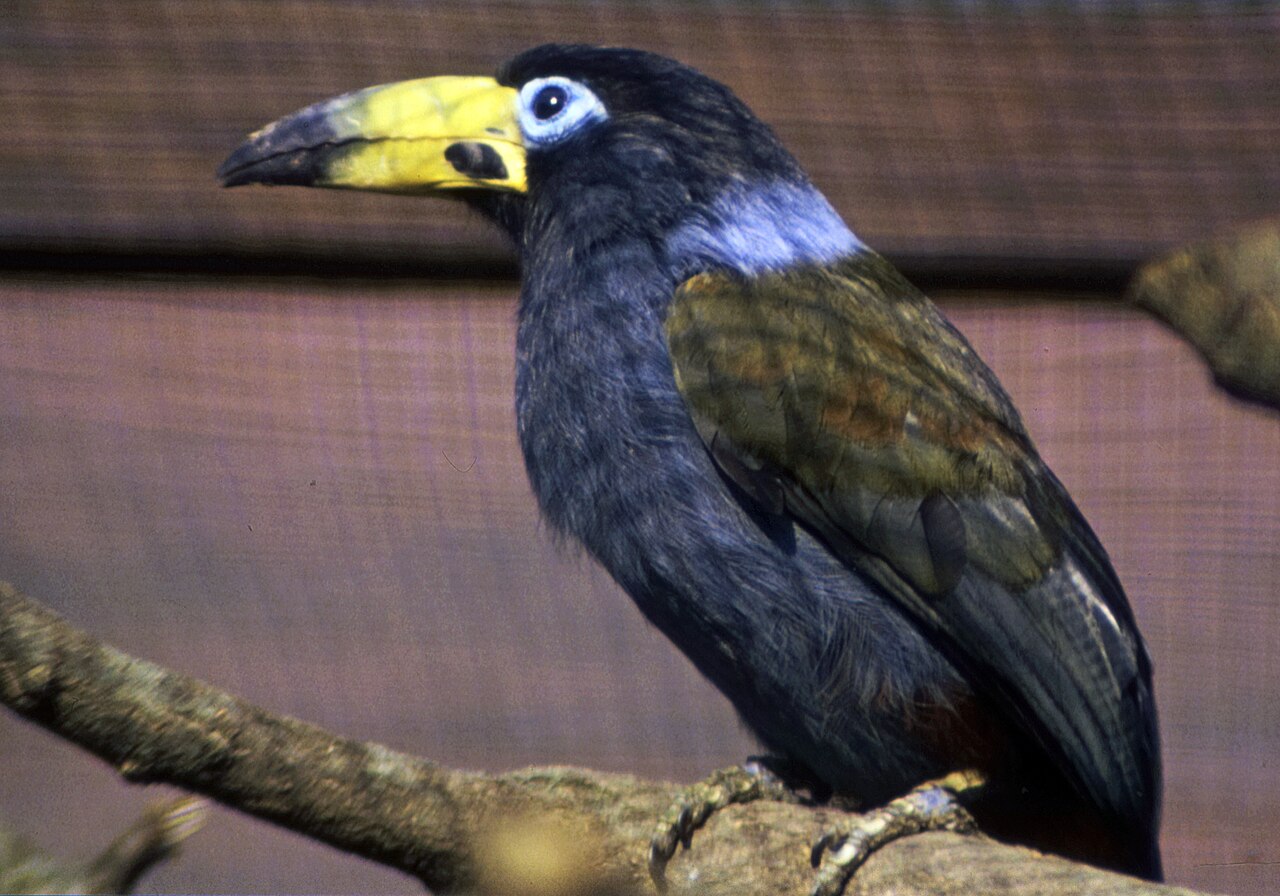
The hooded grosbeak is a passerine bird in the finch family found in the highlands of Central America, principally in Mexico and Guatemala.
Region
Central American Highlands
Typical Environment
Found in montane pine-oak, fir, and mixed conifer forests of Mexico and Guatemala, including forest edges and clearings. It frequents mature stands with abundant cones as well as second-growth and semi-open habitats. Birds often forage high in the canopy but will descend to edges, clearings, and occasionally high-elevation farmland. It tolerates some habitat modification and may use shade-coffee groves near forest.
Altitude Range
1200–3500 m
Climate Zone
Highland
Ease of Keeping
Beginner friendly: 1/5
This thick-billed finch specializes in cracking hard seeds and conifer cones, using one of the most powerful bills among New World finches. Males show a striking black hood that contrasts with rich yellow body plumage, making them unmistakable in their highland forests. They often join small flocks outside the breeding season and may move locally along elevational gradients in search of food.


Temperament
social and active
Flight Pattern
strong flier with undulating, bounding flight and rapid wingbeats
Social Behavior
Outside the breeding season it forms small to medium flocks, sometimes mixed with other finches. During breeding it is typically seen in pairs and nests in conifers, placing a cup nest on a horizontal branch. Likely monogamous, with both parents contributing to feeding the young.
Migratory Pattern
Resident
Song Description
Song is a series of soft, clear whistles and simple finch-like phrases. Calls include sharp, ringing notes reminiscent of other grosbeaks, often given in flight and within foraging flocks.
Plumage
Male with a solid black hood, bright yellow body, and black wings marked by bold white patches; tail dark with yellowish rump. Female is duller olive-gray with a dusky hood, paler underparts, and similar wing patches but less vivid overall. Both sexes have a very large, short, conical bill.
Diet
Primarily consumes seeds from conifers (such as pine), along with other hard seeds, buds, and fruits. It uses its powerful bill to crack thick seed coats and extract kernels. In the breeding season it supplements its diet with insects and larvae for added protein.
Preferred Environment
Forages mostly in the canopy and mid-story of pine-oak and fir forests, especially where cones are abundant. Also feeds along forest edges, clearings, and occasionally in high-elevation orchards or shade-coffee groves.