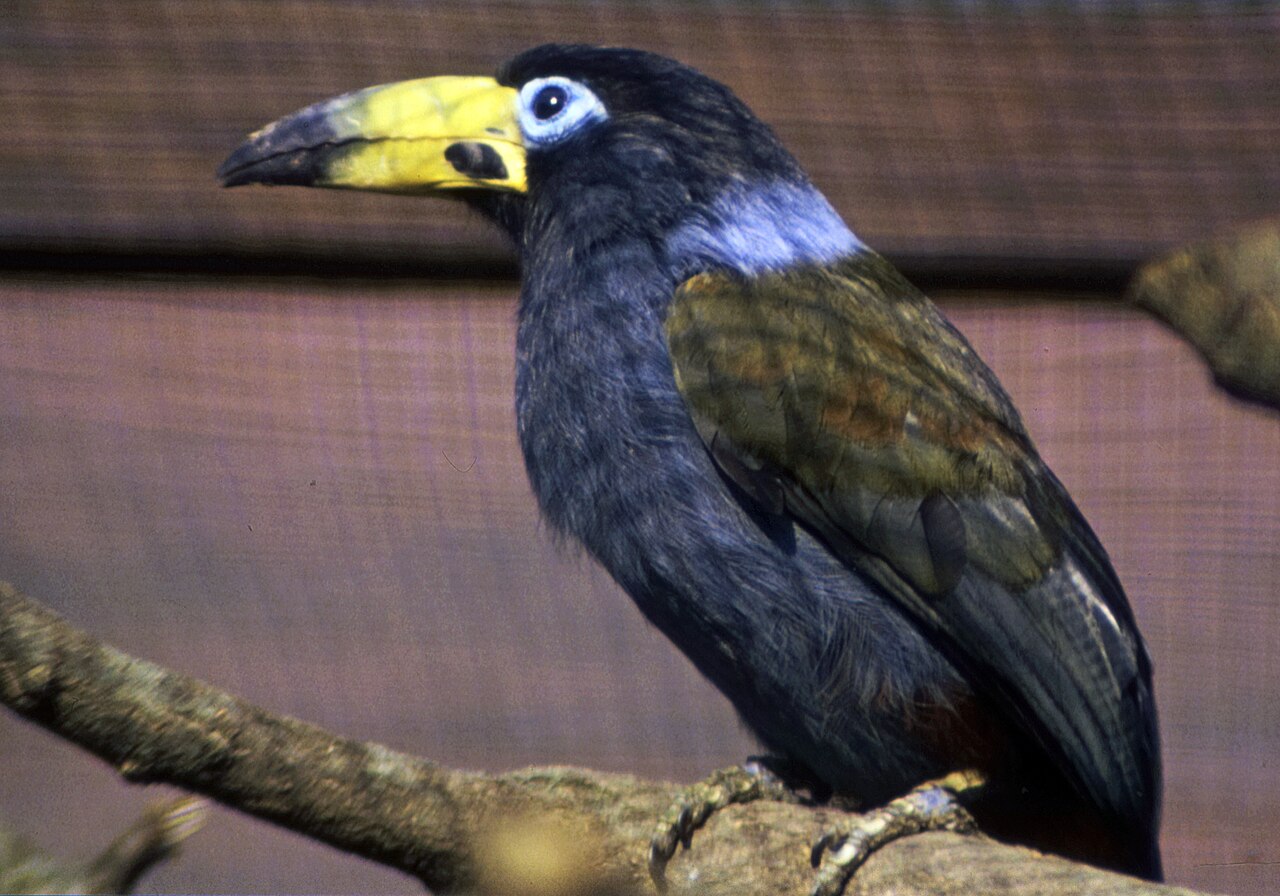
The hooded mannikin or hooded munia, also known as the New Britain mannikin or Sclater's mannikin, is a species of estrildid finch found in New Britain and New Guinea.
Region
New Guinea and Bismarck Archipelago
Typical Environment
Occurs widely in New Guinea (including adjacent islands) and on New Britain, favoring tall grasslands, savannas, forest edges, and secondary growth. Common around village clearings, gardens, and cultivated fields such as rice and sugarcane. Frequently seen near wetlands and along river margins where grasses seed profusely. Tolerant of human-altered landscapes and can be locally abundant.
Altitude Range
0–2000 m
Climate Zone
Tropical
Ease of Keeping
Beginner friendly: 3/5
The hooded mannikin, also called the hooded munia or Sclater's mannikin, is an estrildid finch native to New Guinea and New Britain. It forms tight flocks that move through seeding grasses and crops, and builds neat, ball-shaped nests from grass blades. Pairs are monogamous and both sexes help with nest building and chick rearing.

Temperament
social and active
Flight Pattern
short rapid wingbeats
Social Behavior
Usually found in small to medium flocks outside the breeding season, often mixing with other munias. Nests are compact, spherical structures of grass hidden low in dense vegetation. Both parents incubate and feed the young, and family groups may remain together for some time after fledging.
Migratory Pattern
Resident
Song Description
Soft, high-pitched twittering and tinkling notes, with gentle contact chips exchanged within flocks. Males deliver a simple, sweet series of trills and buzzes from a perch during courtship.
Plumage
Compact finch with a contrasting hooded pattern: a dark hood and throat, warm brown upperparts, and pale underparts with a darker central belly patch. Flanks often show fine barring. Tail and wings are dusky, with a neat, smooth feather texture typical of munias.
Diet
Primarily feeds on small seeds of grasses and sedges, often taking seeding heads directly from stems. Will also glean spilled grain around agricultural areas. During breeding, supplements diet with small insects to provide protein for nestlings.
Preferred Environment
Forages in tall grass stands, weedy field margins, rice paddies, and village gardens. Frequently feeds on the ground or clings to grass seed heads, moving in coordinated flocks.