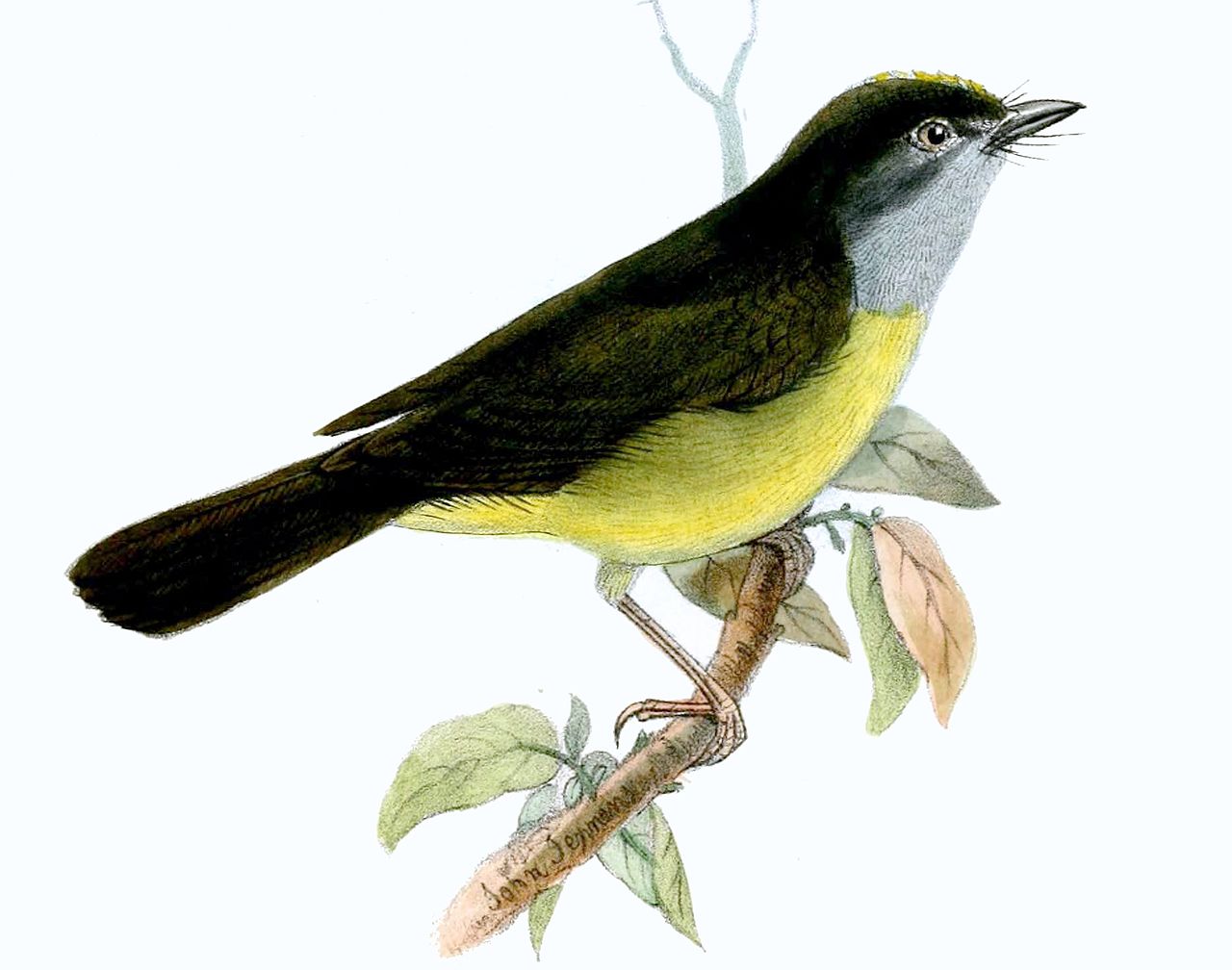
The grey-throated chat is a species of bird in the family Cardinalidae, the cardinals or cardinal grosbeaks. It is found in Belize, Guatemala, and Mexico.
Region
Mesoamerica
Typical Environment
Occurs mainly in lowland scrub, dry to semi-humid forests, forest edge, and second-growth thickets across the Yucatán Peninsula and adjacent parts of Belize and northern Guatemala. It favors dense understory with tangles, often near clearings or seasonal watercourses. The species typically forages within a few meters of the ground but will ascend to mid-story to sing. Human-modified habitats with regenerating scrub can also support populations if cover remains intact.
Altitude Range
Sea level to 800 m
Climate Zone
Tropical
Ease of Keeping
Beginner friendly: 1/5
The grey-throated chat is a striking, thicket-loving songbird of the Yucatán region now placed in the cardinal family after genetic studies. Pairs often keep close contact in dense undergrowth and may engage in soft duets. Despite the name 'chat', it is not related to Old World chats and has a slimmer, insect-hunting bill. It is generally local but can be fairly common where suitable scrub and dry forest persist.


Chan Chich Lodge area - Belize
Temperament
skulking yet curious; territorial in pairs
Flight Pattern
short rapid wingbeats between cover
Social Behavior
Usually found singly or in pairs that keep to dense understory. Pairs maintain small territories and may follow each other closely while foraging. The nest is a small cup placed low in shrubs or tangles, and both parents attend young.
Migratory Pattern
Resident
Song Description
Song is a clear, ringing series of whistles and short phrases, often delivered from a low, concealed perch. Calls include sharp chips and soft chatter used for contact between pair members.
Plumage
Male shows bluish-gray to slate upperparts with a contrasting black face mask and a bold white eyebrow; the throat is gray, grading to paler underparts with warm rufous or buff flanks. Female is duller with warmer brownish upperparts, a weaker facial pattern, and a buffy throat and breast. Both sexes have clean, neat plumage with subtle wing edging and white in the tail corners that can flash in flight.
Diet
Primarily takes insects and other small arthropods such as spiders, caterpillars, and beetles gleaned from leaves and twigs. Will occasionally snatch prey from the ground or make short sallies to catch moving insects. Small fruits or berries may be taken opportunistically, especially in the dry season.
Preferred Environment
Forages in dense scrub, thorn forest, and forest edge with abundant understory. Often works the lower strata, probing vine tangles, leaf clusters, and dead foliage.