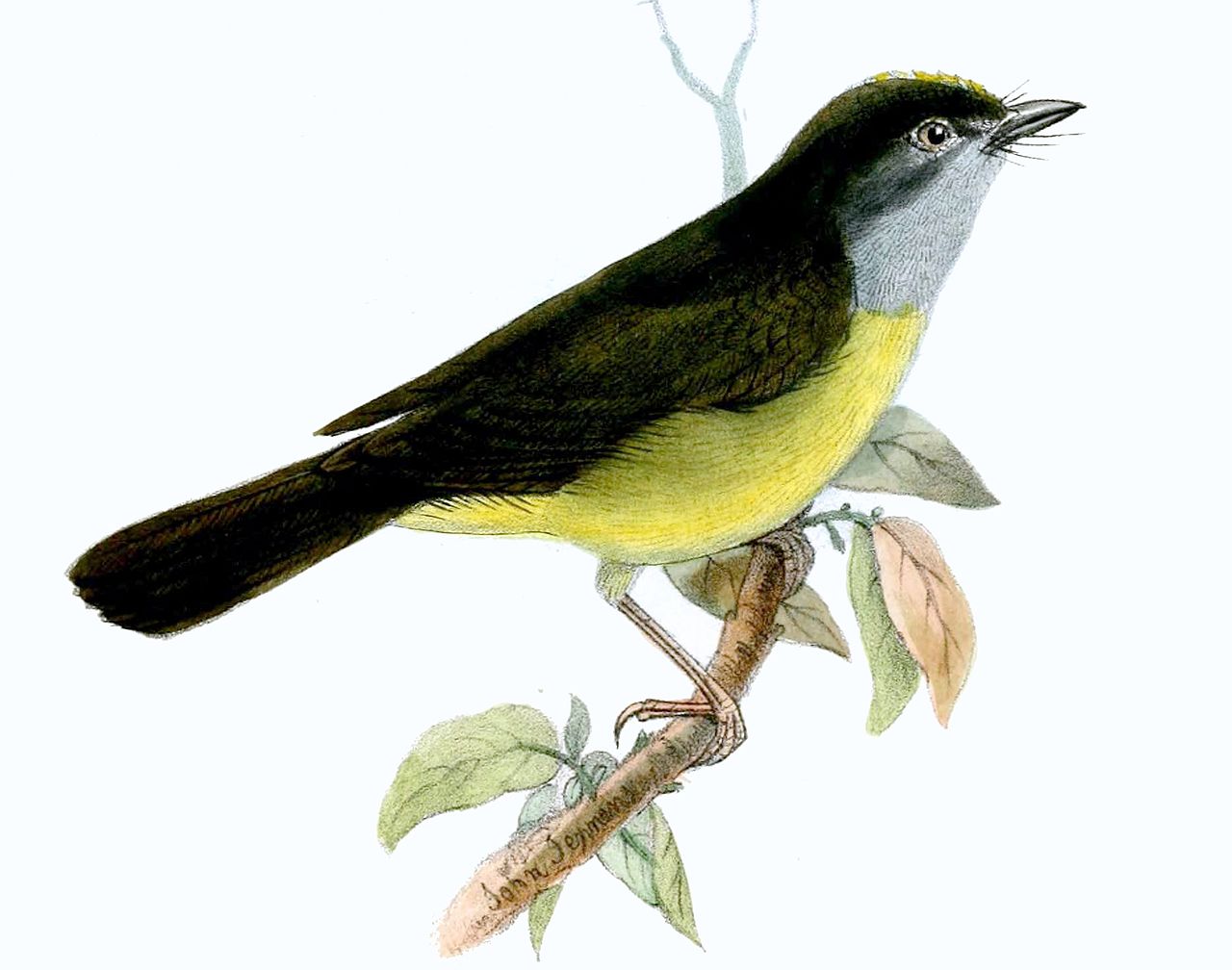
The grey-throated leaftosser is a Near Threatened species of bird in the subfamily Sclerurinae, the leaftossers and miners, of the ovenbird family Furnariidae. It is found in Bolivia, Brazil, Colombia, Costa Rica, Ecuador, Panama, Peru, Trinidad and Tobago, and Venezuela.
Region
Northern South America and southern Central America (including Trinidad)
Typical Environment
Found from southern Central America through northern and western South America, including Costa Rica, Panama, Colombia, Venezuela, the Guianas, Ecuador, Peru, Bolivia, Brazil, and Trinidad and Tobago. It inhabits humid lowland and foothill evergreen forests, often along shaded gullies, streambanks, and steep ravines. Prefers intact primary forest but can persist in well-developed secondary forest with deep leaf litter. Usually keeps to the dim understory and forest floor, avoiding open areas.
Altitude Range
Sea level to 1800 m
Climate Zone
Tropical
Ease of Keeping
Beginner friendly: 1/5
The grey-throated leaftosser specializes in flipping aside leaf litter with its bill to uncover hidden invertebrates on the forest floor. It often braces with a stiff, slightly spiny tail while foraging among dense understory. Secretive and more often heard than seen, it favors mature, humid forests and ravines. It typically nests in burrows excavated in earthen banks.


Temperament
solitary and territorial
Flight Pattern
short rapid wingbeats, low to the ground
Social Behavior
Usually encountered singly or in pairs within defended territories on the forest floor. Nests are typically burrows tunneled into earthen banks or steep slopes, where a simple chamber is lined sparsely. Pairs maintain contact with soft whistles and are highly secretive, slipping through dense understory.
Migratory Pattern
Resident
Song Description
Song is a series of clear, whistled notes that may accelerate or rise slightly in pitch, delivered from low perches within dense cover. Calls include sharp chips and mellow whistles used for contact and alarm.
Plumage
Dusk-brown to rufescent-brown overall with a distinctly greyer throat and upper chest; plumage is smooth and unpatterned elsewhere, giving a plain, earthy appearance suited to the forest floor.
Diet
Feeds primarily on arthropods such as beetles, ants, spiders, and other small invertebrates gleaned from leaf litter. It uses quick, forceful flicks of the bill to toss aside leaves and debris, exposing prey hidden underneath. Occasionally takes small snails or other soft-bodied invertebrates.
Preferred Environment
Forages almost exclusively on the shaded forest floor in mature humid forest, along stream edges, and in ravines with deep leaf litter. Often works methodically along logs, buttresses, and root tangles where prey accumulates.