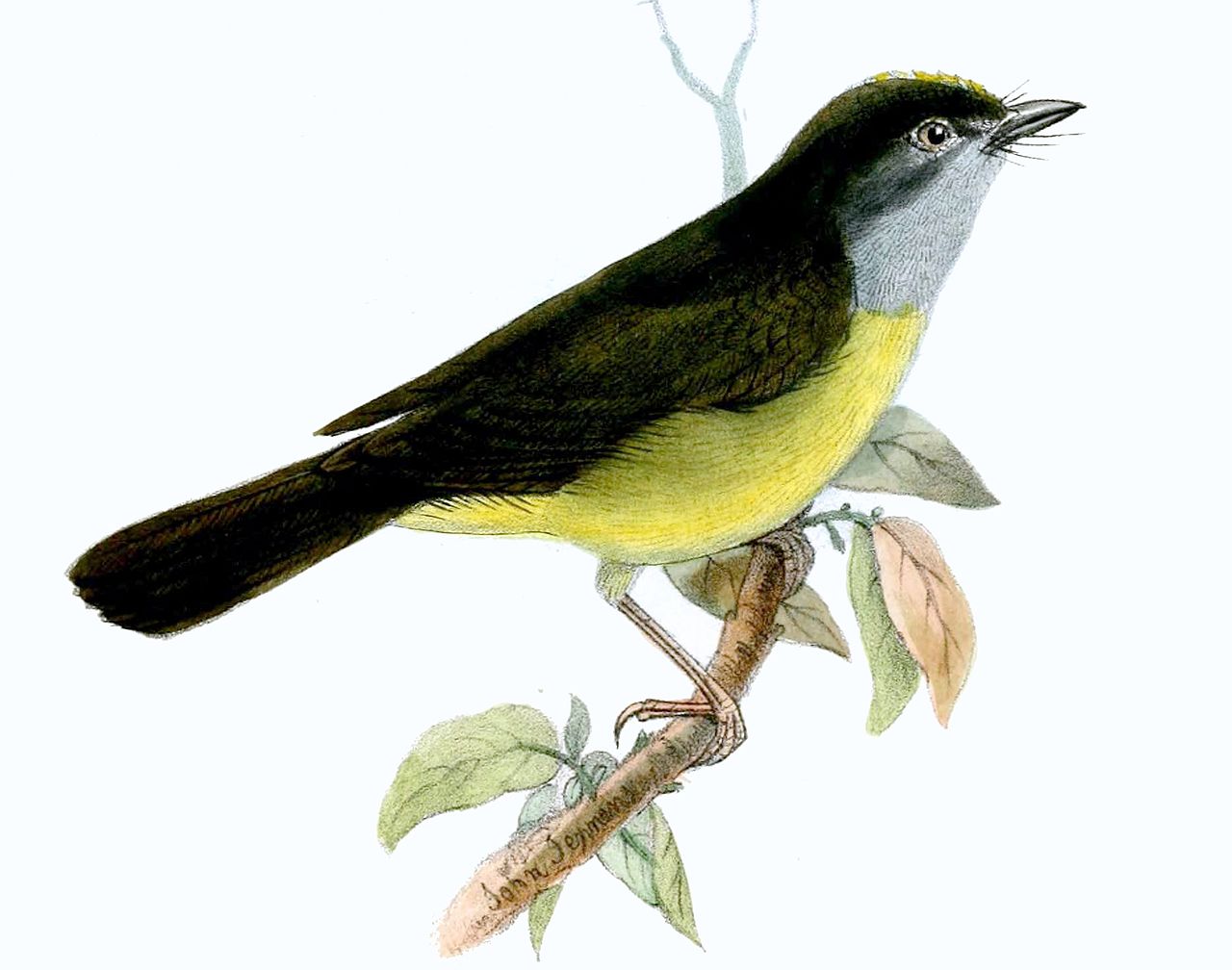
The grey-throated sunbird is a species of bird in the family Nectariniidae. It is found in a wide range of semi-open wooded habitats in the northern and eastern part of the Philippines. It is often considered a subspecies of the brown-throated sunbird, but the two differ consistently in measurements and plumage, and there is no evidence of intergradation between them.
Region
Philippines
Typical Environment
Occurs in the northern and eastern Philippines, including Luzon, Polillo, Catanduanes, Samar, and Leyte. It inhabits semi-open wooded habitats, forest edges, secondary growth, plantations, and well-vegetated gardens. It also uses riverine woodland and lightly logged forest. The species adapts well to mosaic landscapes with scattered flowering trees and shrubs.
Altitude Range
Sea level to 1500 m
Climate Zone
Tropical
Ease of Keeping
Beginner friendly: 1/5
A Philippine endemic sunbird, it was long treated as a subspecies of the Brown-throated Sunbird but differs consistently in measurements and plumage, with no evidence of intergradation. It frequents flowering trees and shrubs where it drinks nectar and also snaps up small insects, helping pollinate native plants. Pairs often defend rich nectar sources and are conspicuous around gardens and forest edges.


Temperament
active and alert
Flight Pattern
short rapid wingbeats
Social Behavior
Usually seen singly or in pairs, sometimes in loose mixed-species flocks at flowering trees. Pairs may defend nectar-rich shrubs and small territories. The nest is a small, hanging pouch of plant fibers and spider webs, typically suspended from a branch in semi-open cover.
Migratory Pattern
Resident
Song Description
High, thin chips and rapid twittering phrases, often delivered from exposed perches near flowering trees. Calls are metallic and tinkling, with quick, repeated notes during foraging and soft contact calls between pair members.
Plumage
Olive-green upperparts with a distinctly grey throat merging into yellowish underparts; wings and tail dusky with olive edging. Subtle pale eyebrow and slightly paler belly; sexes similar with males often a touch brighter below. Feathers are smooth and close-fitting, giving a sleek appearance typical of sunbirds.
Diet
Feeds primarily on nectar from a variety of native and cultivated flowers. Supplements its diet with small insects and spiders, gleaned from foliage and occasionally caught on short sallies. Also takes small fruits and honeydew when available.
Preferred Environment
Forages in flowering trees, forest edges, gardens, and secondary growth where nectar sources are abundant. Often moves methodically along branches and into canopy and mid-story blossoms.