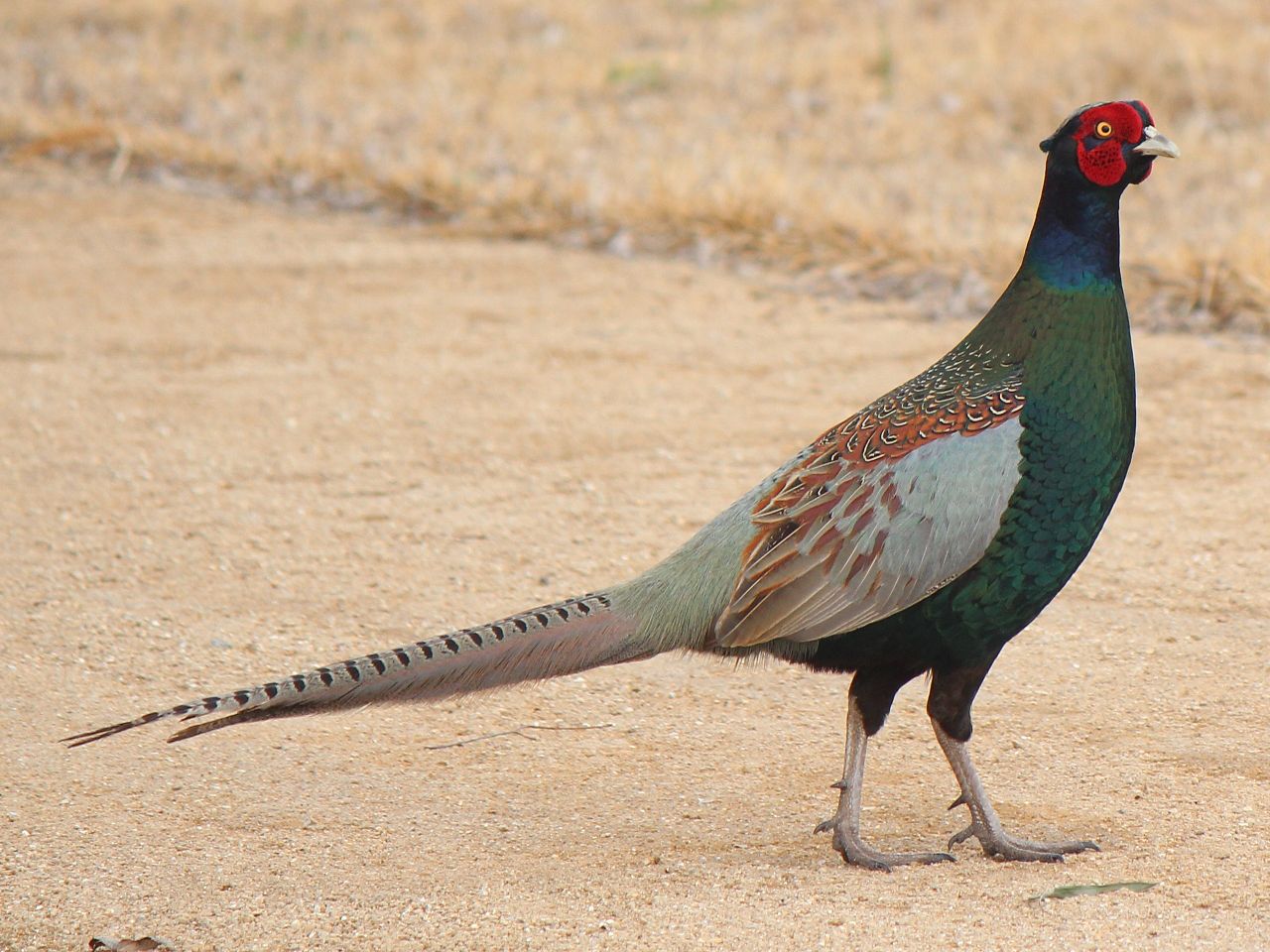
The green oriole or Australasian yellow oriole is an inconspicuous inhabitant of lush tropical vegetation throughout Australia and New Guinea.
Region
Australasia
Typical Environment
Found across northern Australia and much of New Guinea, including adjacent islands. Prefers lush tropical and subtropical habitats such as monsoon vine forests, mangroves, rainforest edges, riparian woodlands, and paperbark swamps. Often keeps to mid- to upper canopy where foliage provides cover. May venture into well-vegetated parks and gardens in suitable climates.
Altitude Range
Sea level to 1200 m
Climate Zone
Tropical
Ease of Keeping
Beginner friendly: 2/5
Also called the Australasian yellow oriole, this species is a shy canopy-dweller that blends into lush tropical foliage. Its mellow, fluting whistles often reveal its presence before the bird is seen. Primarily a fruit-eater, it is an important seed disperser in monsoon forests and mangroves. Pairs defend feeding territories and may follow seasonal fruiting across their range.


On nest, Daintree Rainforest, Queensland

Yellow oriole, Cape York Peninsula
Temperament
shy and inconspicuous
Flight Pattern
short rapid wingbeats with direct, fast flights between trees
Social Behavior
Usually seen singly or in pairs, occasionally in small family groups at fruiting trees. Builds a neat, suspended cup nest slung between forked branches high in the canopy. Both parents participate in incubation and feeding. Territorial during breeding and around rich fruit sources.
Migratory Pattern
Resident
Song Description
A mellow, fluting series of rich whistles that carry through forest, often delivered from concealed perches. Calls include liquid, ringing notes and softer contact whistles between mates.
Plumage
Uniform olive to yellow-green plumage with paler yellowish underparts and subtle yellow edging on wing feathers. Feathers are smooth and sleek, aiding a clean, unmarked appearance. Bill is slightly decurved and often pinkish with a darker tip.
Diet
Feeds mainly on soft fruits and berries, including figs and native laurels, and supplements with insects such as beetles and caterpillars. Occasionally takes nectar and small invertebrates gleaned from foliage. Plays a role in seed dispersal by swallowing fruit whole and passing seeds intact.
Preferred Environment
Forages high in the canopy of monsoon forests, mangroves, and riparian woodlands. Also visits rainforest edges and tall eucalypt woodlands where fruiting trees are abundant.