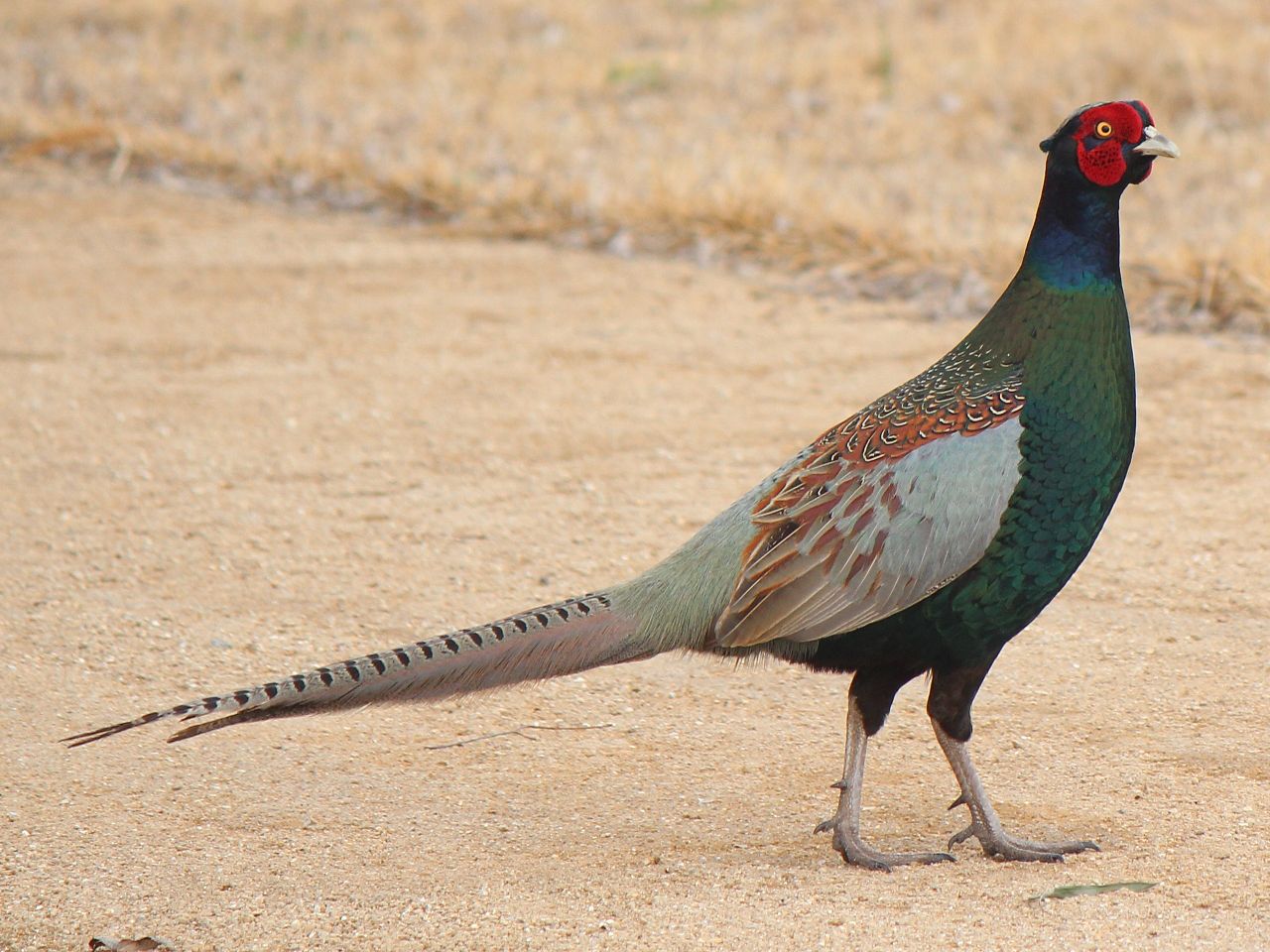
The green parakeet, green conure, or Mexican green conure is a New World parrot. As defined by the International Ornithological Committee (IOC), it is native to Mexico and southern Texas in the Rio Grande Valley.
Region
Northeastern Mexico and the Lower Rio Grande Valley
Typical Environment
Occurs from northeastern Mexico south along the Gulf slope, with a natural extension into the Lower Rio Grande Valley of Texas. It inhabits wooded edges, riparian corridors, thornscrub, and open forests, as well as agricultural mosaics. The species readily uses urban parks, palm-lined streets, and suburban neighborhoods where mature trees provide roosts and cavities. Outside the breeding season it ranges widely in flocks between feeding and roosting sites.
Altitude Range
Sea level to 1500 m
Climate Zone
Subtropical
Ease of Keeping
Beginner friendly: 2/5
The green parakeet (also called green conure) is a noisy, highly social parrot that forms conspicuous flocks, especially at communal evening roosts. It adapts well to human-modified landscapes, using urban trees and structures for perching and nesting. Breeding pairs usually nest in existing cavities and maintain strong pair bonds. In southern Texas it occurs naturally in the Lower Rio Grande Valley, with populations connected to those in northeastern Mexico.


Temperament
social and active
Flight Pattern
fast direct flight with rapid wingbeats
Social Behavior
Often seen in noisy flocks, breaking into bonded pairs during the breeding season. Nests are typically placed in natural tree cavities or holes in dead wood and sometimes in crevices of buildings. Pairs maintain close contact calls while foraging and return to communal roosts at dusk.
Migratory Pattern
Resident
Song Description
Vocalizations are loud, harsh screeches and rolling chatter that carry over long distances. Calls accelerate and intensify during flock gatherings and at communal roosts.
Plumage
Mostly bright green with slightly paler underparts; flight feathers edged bluish and a long, tapered tail. Some individuals show small reddish flecks on the bend of the wing or face. Plumage is clean and unbarred, giving a uniform green appearance at a distance.
Diet
Feeds primarily on seeds, fruits, and berries from native and cultivated plants. Also takes flower buds and nectar when available, shifting seasonally with fruiting trees. It may visit orchards and farmlands to exploit crops such as citrus or maize, sometimes in sizable flocks.
Preferred Environment
Forages in tree canopies along forest edges, riparian woods, and thornscrub. Frequently uses urban parks, street trees, and gardens, moving between green spaces and nearby agricultural fields.