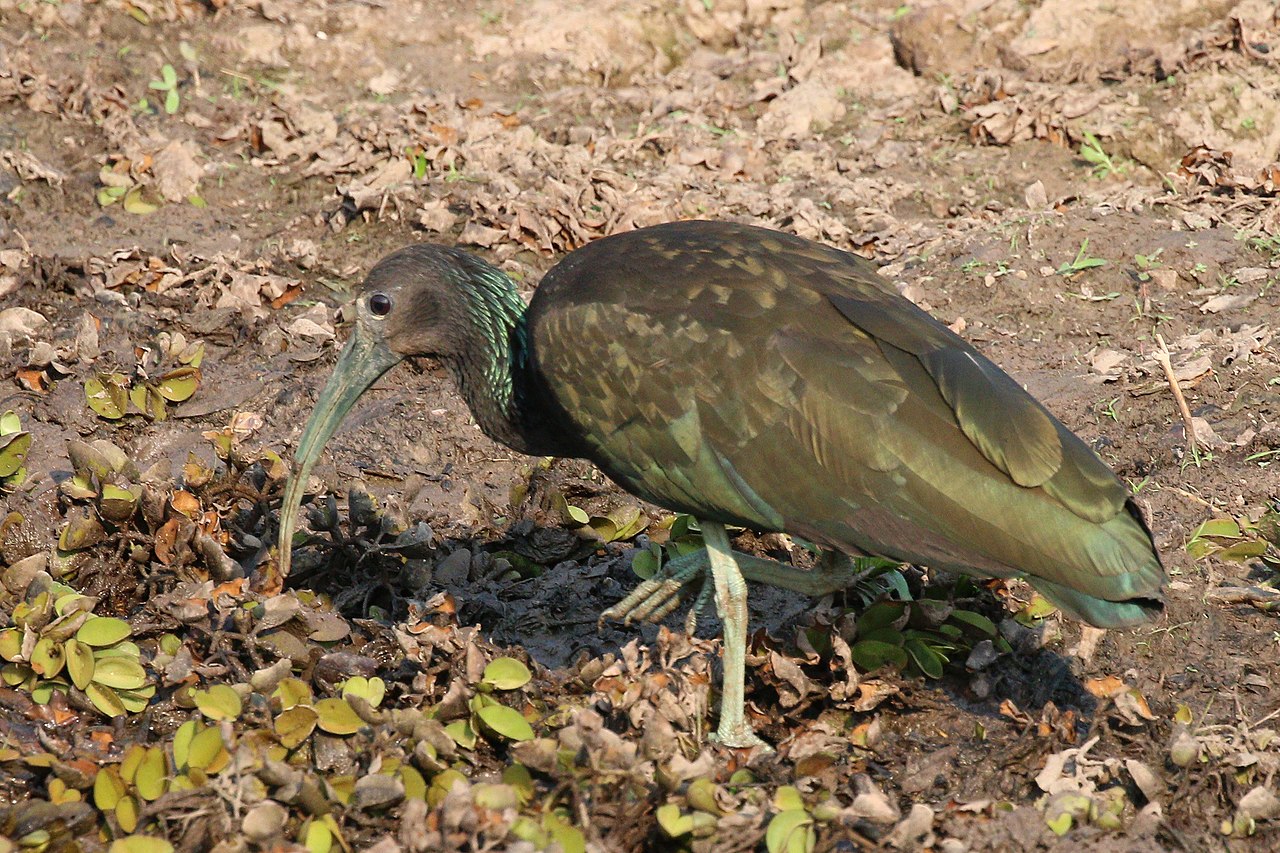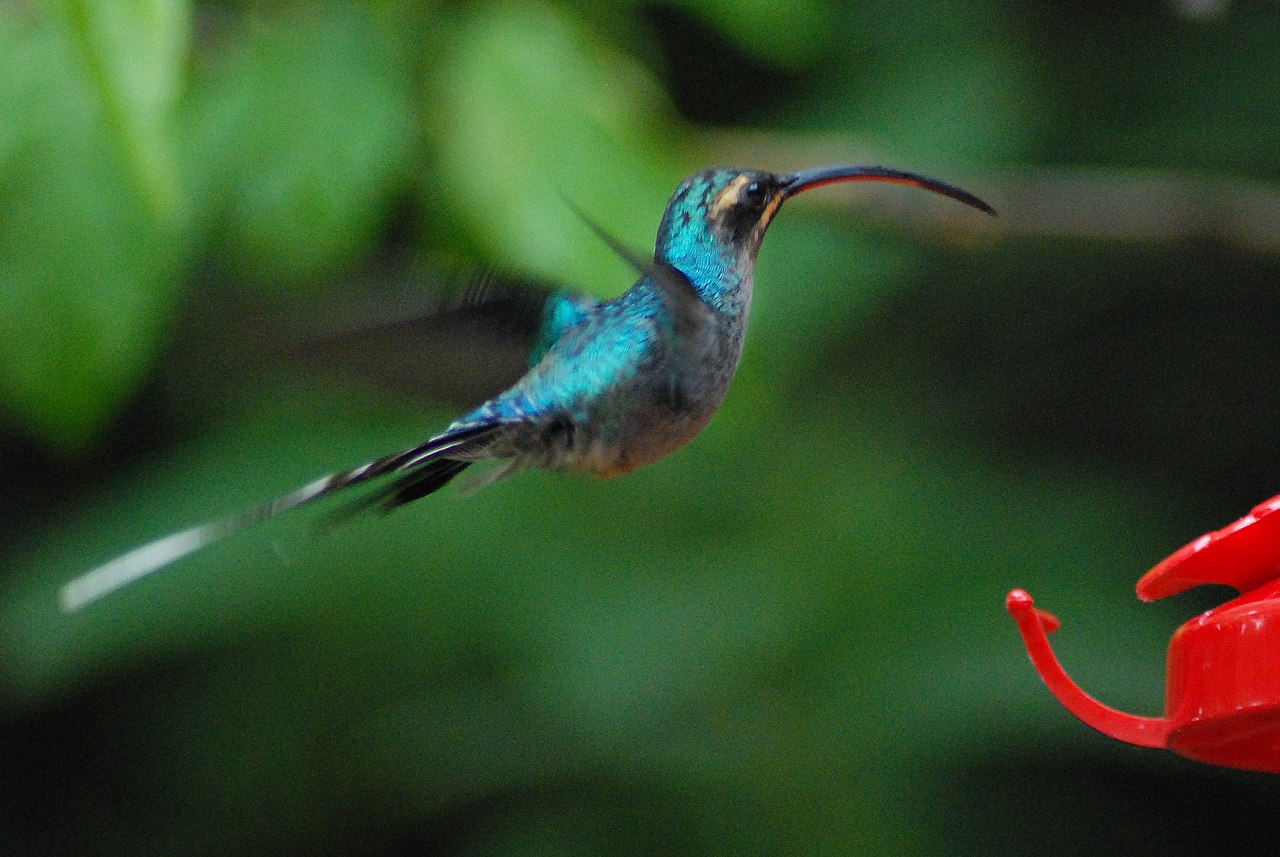
The green hermit is a large hummingbird that is a resident breeder from southern Central America south to northern South America
Region
Southern Central America and northern South America
Typical Environment
Occurs from Costa Rica and Panama through northern Colombia and Venezuela, with populations in humid lowland and foothill forests. Prefers dark, moist understory near streams, ravines, and Heliconia thickets. Also uses forest edges and well-vegetated second growth as long as floral resources are abundant. Often follows a repeated route between scattered flowering plants (trapline).
Altitude Range
Sea level to 1500 m
Climate Zone
Tropical
Ease of Keeping
Beginner friendly: 1/5
The green hermit is a large hermit hummingbird that ranges from southern Central America to northern South America, where it remains a year‑round resident. Males gather at leks to sing and display for females, an unusual behavior among hummingbirds. It practices traplining, visiting a regular circuit of nectar sources, especially Heliconia. Nests are typically cone-shaped and suspended under large leaves or over shaded streams.


Green hermit with its white tongue out
Temperament
solitary and territorial
Flight Pattern
short rapid wingbeats with agile hovering; fast, direct dashes between flowers
Social Behavior
Typically solitary while foraging and defends rich nectar sources. Males form leks where they sing persistently and perform short display flights to attract females. The female builds a small, conical nest suspended under large leaves or over streams and raises the young alone.
Migratory Pattern
Resident
Song Description
Song is a persistent series of sharp, high-pitched tseet or tsi notes repeated from a low perch near leks. Calls include thin chips and buzzy notes given during chases around feeding territories.
Plumage
Iridescent green upperparts with bronzy tones, dusky-olive underparts, and a contrasting hermit-style facial pattern. Long decurved bill and a long, notched tail with white tips to the outer feathers. Plumage appears darker in the shaded understory, with subtle sheen in good light.
Diet
Primarily feeds on nectar from tubular flowers, especially Heliconia and other understory blooms adapted to long, curved bills. Supplements diet with small insects and spiders for protein, taken by hawking or gleaning. Follows a trapline, repeatedly visiting a circuit of reliable flowers.
Preferred Environment
Shaded forest understory, along streams and in ravines where Heliconia and other nectar plants are common. Also forages at forest edges and in secondary growth with abundant flowering resources.