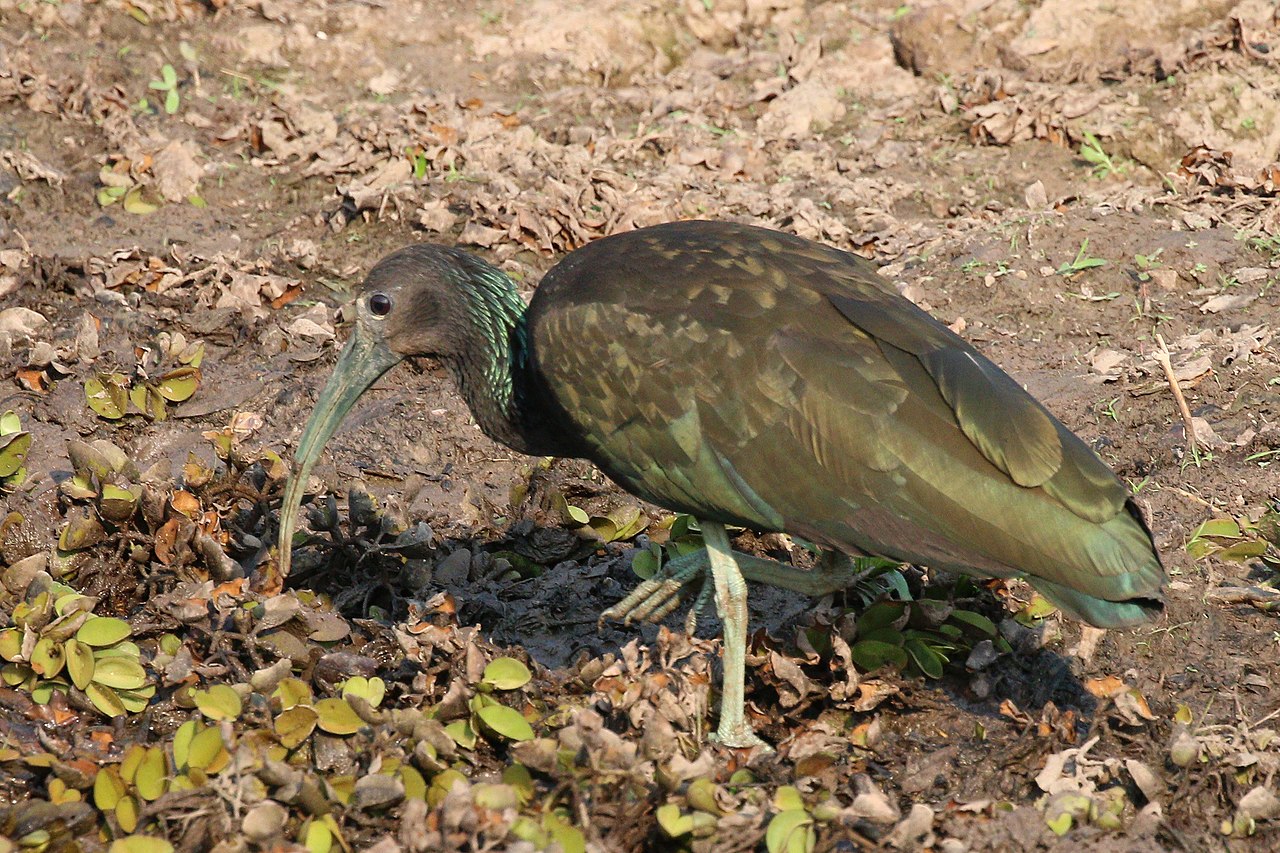
The green heron is a small heron of North and Central America. Butorides is from Middle English butor "bittern" and Ancient Greek -oides, "resembling", and virescens is Latin for "greenish".
Region
North and Central America and the Caribbean
Typical Environment
Found from southern Canada through much of the United States, Mexico, Central America, and the West Indies, with some individuals reaching northern South America. Prefers quiet freshwater and brackish wetlands, including ponds, marshes, swamps, mangroves, and slow streams. Often uses shaded, vegetated margins and perches low over the water to ambush prey. Winters mainly in the southern U.S., Mexico, Central America, and the Caribbean.
Altitude Range
Sea level to 1800 m
Climate Zone
Other
Ease of Keeping
Beginner friendly: 1/5
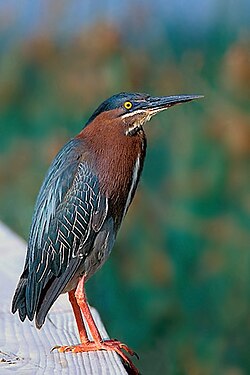
The green heron is a small, stocky heron known for its hunched posture and stealthy hunting along the water’s edge. It is one of the few birds documented to use tools, dropping insects, bread, or other items on the water surface to lure fish. Its cryptic, dark green and chestnut plumage helps it blend into shaded wetlands. Breeding adults show brighter leg and bill colors during courtship.


Green heron have iridescent green feathers on their wings

"Green heron" by John J. Audubon




Temperament
solitary and secretive
Flight Pattern
short rapid wingbeats, low over water
Social Behavior
Typically forages alone, maintaining small feeding territories along shorelines. Pairs form seasonally and often nest in trees or shrubs over water, sometimes in loose colonies with other herons. Nests are stick platforms; clutches usually contain 2–5 eggs with both sexes sharing incubation and chick care.
Migratory Pattern
Partial migrant
Song Description
Vocalizations are sharp, explosive calls such as skeow or kyow when flushed or in flight. At colonies it gives softer cuck and cooing notes during courtship. It does not produce a melodious song like passerines.
Plumage
Adults have a dark greenish-black cap and back with glossy green and blue tones, chestnut neck and breast, and slate to dark gray wings with green sheen; juveniles are brownish with heavy streaking. Short, shaggy crest can be raised. Underparts show a white throat and central stripe. Overall appearance is compact with a dagger-like bill and relatively short legs for a heron.
Diet
Feeds mainly on small fish, tadpoles, amphibians, aquatic insects, crustaceans, and occasionally small reptiles. Hunts by standing motionless or making short lunges from low perches or the shoreline. Known for bait-fishing, deliberately placing items on the water surface to attract prey. Swallows small prey whole and manipulates larger items before ingestion.
Preferred Environment
Forages along still or slow-moving waters with overhanging vegetation, fallen logs, or rocks that provide ambush perches. Common in marsh edges, mangroves, ponds, and shaded stream margins. Avoids open, wave-swept shorelines.