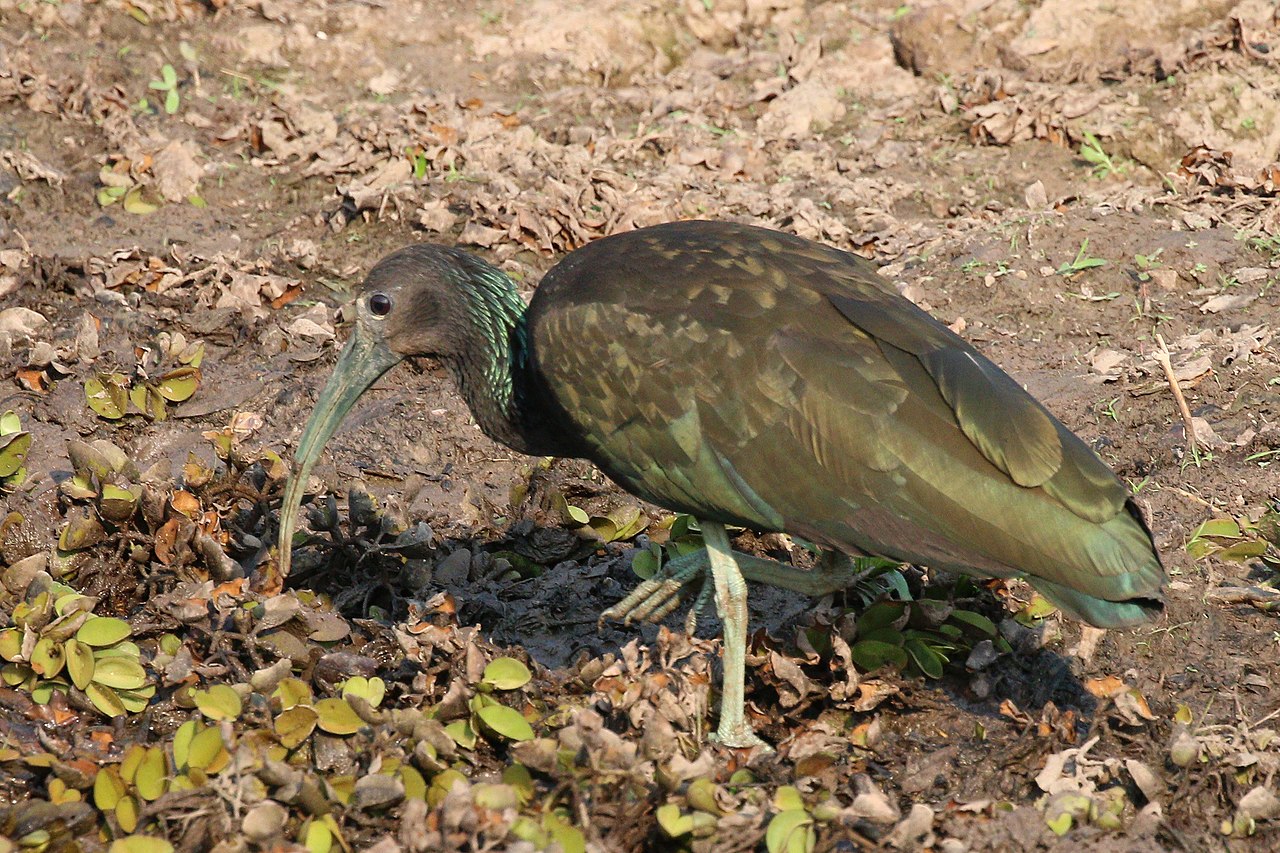
The green honeycreeper is a small bird in the tanager family. It is found in the tropical New World from southern Mexico south to Brazil, and on Trinidad. It is the only member of the genus Chlorophanes.
Region
Neotropics
Typical Environment
Occurs from southern Mexico through Central America and much of northern and central South America to Brazil and Bolivia, and on Trinidad. Prefers humid lowland and foothill forests, as well as forest edges, secondary growth, and shaded plantations. Frequently uses the mid to upper canopy but will descend to fruiting and flowering shrubs. It adapts well to semi-open habitats and can be found in parks and gardens within forested regions.
Altitude Range
Sea level to 1800 m
Climate Zone
Tropical
Ease of Keeping
Beginner friendly: 2/5
The green honeycreeper is a small tanager with striking sexual dimorphism: males are bright blue-green with a black face mask, while females are softer grass-green. It is the sole member of the genus Chlorophanes. Despite its name, it feeds on more than nectar, also taking fruit and small insects. It often joins mixed-species flocks and readily visits flowering trees and garden feeders.


Temperament
social and active
Flight Pattern
short rapid wingbeats
Social Behavior
Usually seen in pairs or small family groups and commonly associates with mixed-species foraging flocks of tanagers and other canopy birds. Breeding pairs build a small cup nest in shrubs or low trees, typically laying two speckled eggs. Parental care is shared, with discreet movement around the nest to avoid predators.
Migratory Pattern
Resident
Song Description
Vocalizations are thin, high-pitched tsee and seep notes, often given in short series. The song is a soft, rapid twitter or lisping warble, less musical than many tanagers but persistent during active foraging.
Plumage
Male with glossy blue-green plumage and a contrasting black mask and throat; female uniformly greener with a softer, mossy tone. Feathers are sleek and smooth, giving a bright, clean appearance.
Diet
Feeds on a mix of nectar, small fruits and berries, and arthropods such as insects and spiders. It probes flowers with its slender bill and also gleans insects from foliage and twigs. Fruit is plucked quickly and swallowed whole or mashed. It may follow flowering or fruiting trees seasonally and will visit sugar-water feeders in gardens.
Preferred Environment
Forages mainly in the mid to upper canopy, especially in flowering and fruiting trees. Also uses forest edges, second growth, and plantations with abundant blossoms and fruit. In human-modified areas, it frequents gardens and shaded agroforestry systems.