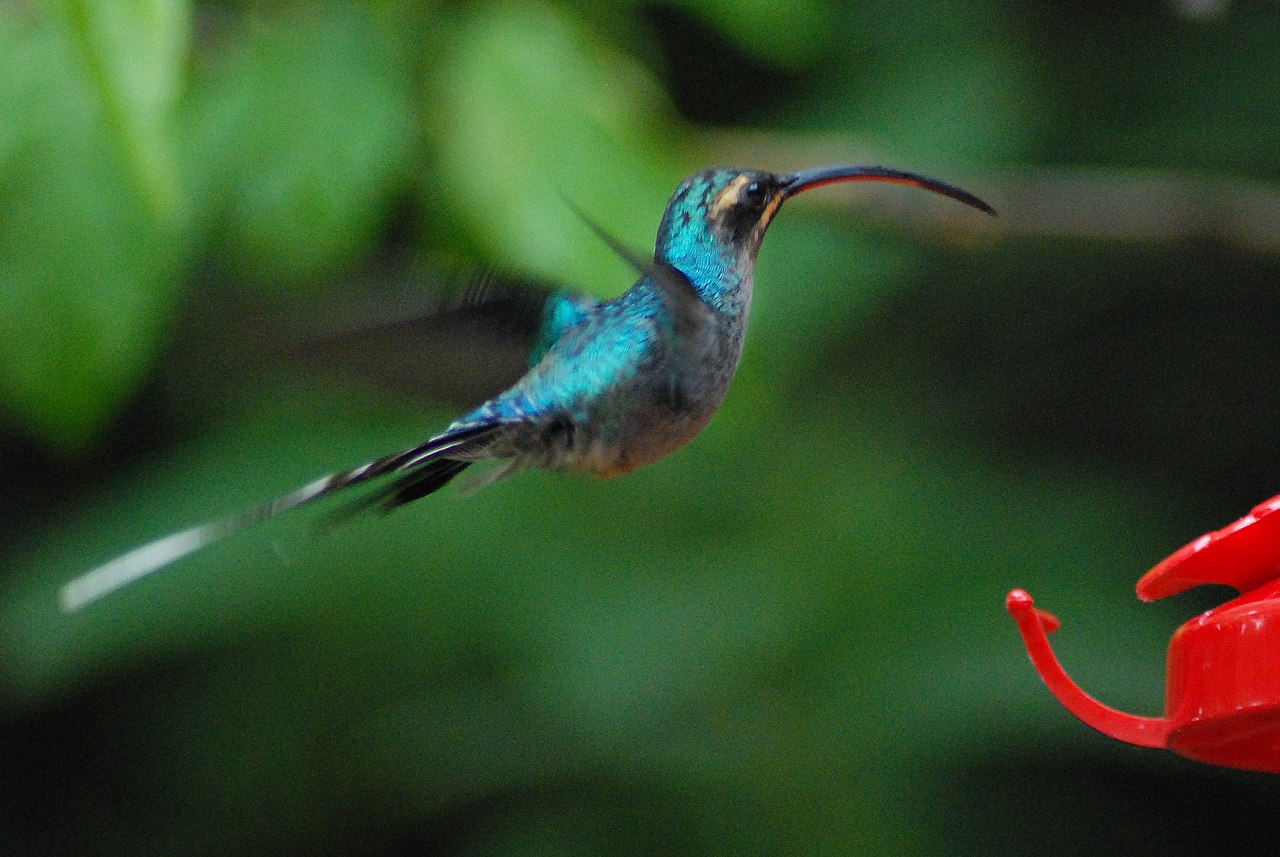
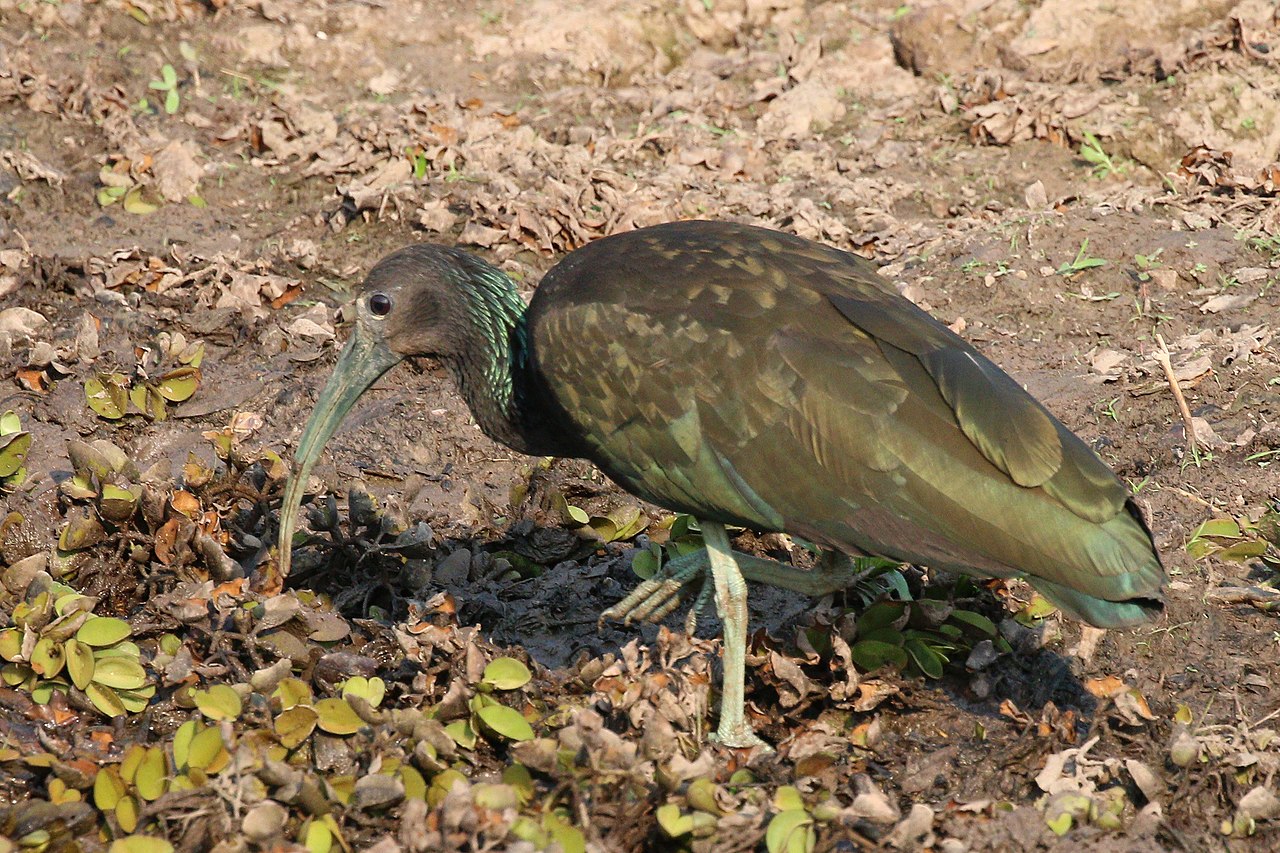
The green figbird or Timor figbird is a species of bird in the family Oriolidae. It is endemic to forest, woodland, mangrove, and scrub on the Indonesian islands of Rote and Timor. It is moderately common, so is considered to be of least concern by BirdLife International and the IUCN.
Region
Lesser Sunda Islands
Typical Environment
Occurs on the islands of Timor and Rote in the Lesser Sundas, using a variety of wooded habitats. It frequents lowland and foothill forests, monsoon woodland, mangroves, and scrub, and is often seen along forest edges and in secondary growth. It also visits gardens, plantations, and fruiting trees in village areas. The species moves locally in response to fruit availability but remains within the island landscapes.
Altitude Range
Sea level to 1200 m
Climate Zone
Tropical
Ease of Keeping
Beginner friendly: 2/5
Also known as the Timor figbird, it was formerly lumped with the Australasian figbird complex but is now widely treated as a distinct species. It plays an important role in seed dispersal, especially of native figs (Ficus). Males are brighter green with a darker facial mask and bare reddish skin around the eye, while females are duller and more streaked below. It adapts well to disturbed habitats and often follows fruiting trees across its range.

Temperament
social and active
Flight Pattern
short rapid wingbeats between perches; agile in the canopy
Social Behavior
Often found in small, loose flocks or family groups, especially around fruiting trees. Builds a shallow cup nest suspended from outer branches. Both parents typically participate in incubation and feeding of the young. Territoriality is modest outside the immediate nesting area.
Migratory Pattern
Resident
Song Description
Calls are a mix of fluty whistles, chattering notes, and short scolds, often delivered from exposed perches. The song is variable and mellow, interspersed with harsher contact calls when foraging in groups.
Plumage
Olive-green upperparts with paler, lightly streaked underparts; males are cleaner green with a darker facial area, females and immatures show more streaking below.
Diet
Primarily eats soft fruits, especially figs (Ficus), but also takes other berries and drupes. Supplements its diet with insects and other small invertebrates gleaned from foliage and bark. Occasionally sips nectar and may consume cultivated fruit when available. Its fruit consumption aids in seed dispersal across its habitat.
Preferred Environment
Feeds mainly in the canopy and subcanopy of fruiting trees in forests, woodlands, and mangroves. Readily uses forest edges, secondary growth, and village trees. Often moves between fruiting trees within a foraging circuit.