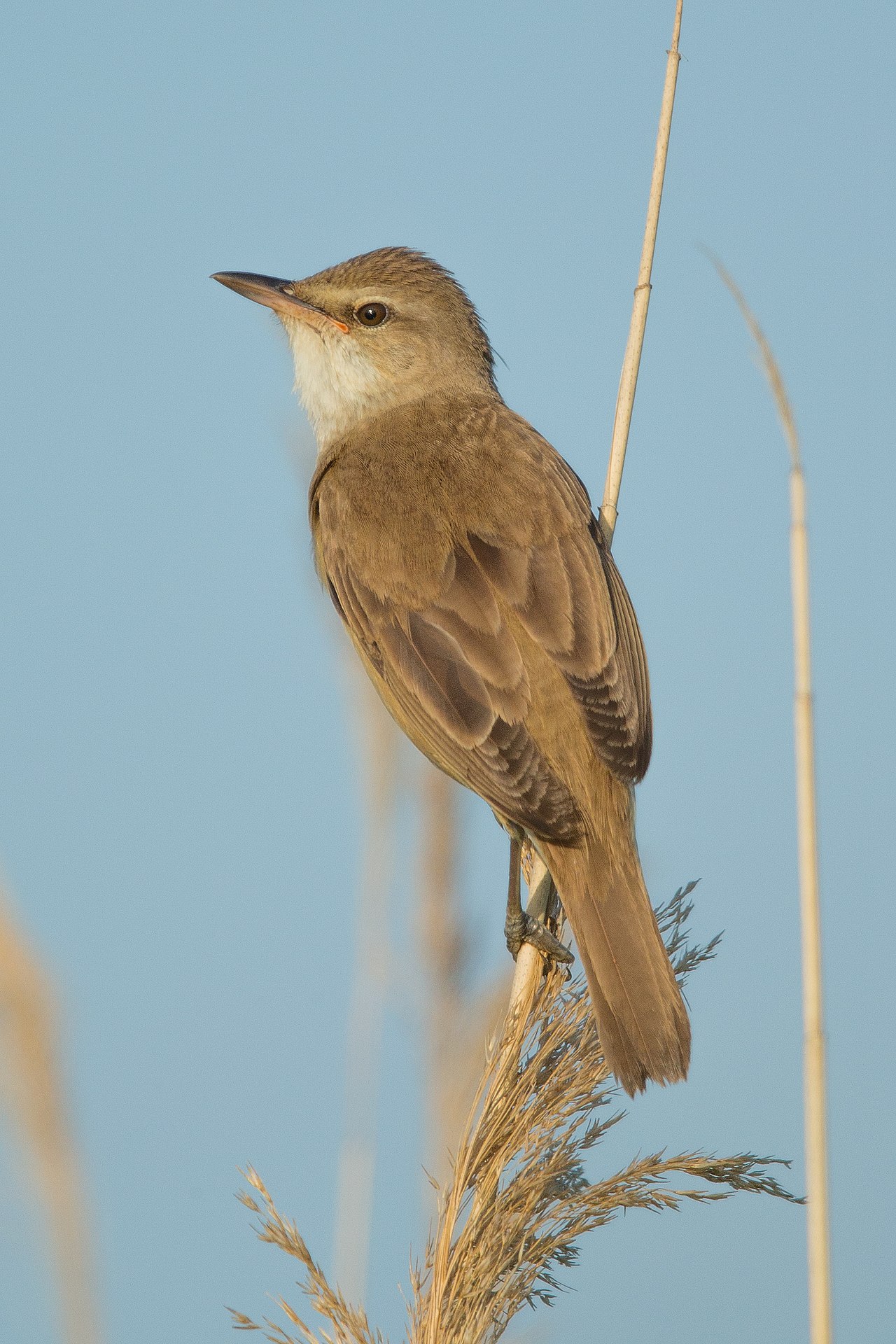
The great lizard cuckoo is a species of bird in the tribe Phaenicophaeini, subfamily Cuculinae of the cuckoo family Cuculidae. It is found in the Bahamas and Cuba.
Region
Caribbean (Bahamas and Cuba)
Typical Environment
Occurs across much of Cuba, Isla de la Juventud, and parts of the Bahamas, favoring dry forests, scrub, pinewoods, mangroves, and second-growth thickets. It also uses forest edges, plantations, and overgrown gardens near settlements. The species spends much time in the midstory and understory, running and hopping through dense vegetation. Flights are typically short between trees, with longer movements made by bounding and gliding. It is generally absent from open treeless areas.
Altitude Range
Sea level to 1200 m
Climate Zone
Tropical
Ease of Keeping
Beginner friendly: 1/5
Despite belonging to the cuckoo family, the great lizard cuckoo builds its own nest and does not practice brood parasitism. It is an agile runner that often dashes along branches or the ground to chase lizards, using its very long tail for balance and quick turns. Formerly placed in the genus Saurothera, it is now treated within Coccyzus. Its bold, accelerating calls are a distinctive sound of wooded habitats in Cuba and the Bahamas.


C. m. merlini, Zapata National Park, Cuba

Back view

Temperament
secretive but active
Flight Pattern
short rapid wingbeats with gliding between trees
Social Behavior
Usually seen singly or in pairs, maintaining territories year-round. Builds a simple twig nest in trees or dense shrubs; both sexes share incubation and chick-rearing. Clutches are small, and the species is not a brood parasite. Pairs communicate frequently with loud, accelerating calls.
Migratory Pattern
Resident
Song Description
A loud, accelerating series of clucks and chuckles that often crescendos and then tapers off. Calls are resonant and carry far through forest and scrub. Also gives sharp scolds and chatter when excited.
Plumage
Upperparts gray-brown with a slight olive cast; underparts buff to pale rufous, warmer on the throat and breast. Long, graduated tail is dark with bold white tips on the outer feathers. Underwings show rufous tones; face often with a subtle dark eye-line and bare reddish orbital skin. Overall sleek, long-bodied appearance with a very long tail and relatively short, rounded wings.
Diet
Primarily preys on anoles and other small lizards, large insects (such as grasshoppers, katydids, and beetles), and occasionally small frogs. It may take eggs or nestlings opportunistically. Fruit is eaten at times, but animal prey dominates its diet.
Preferred Environment
Forages in dense thickets, woodland edges, mangroves, and second-growth where it can run along branches and the ground. Often hunts by stealth, then lunges to seize prey, and will sally short distances to snatch insects from foliage.