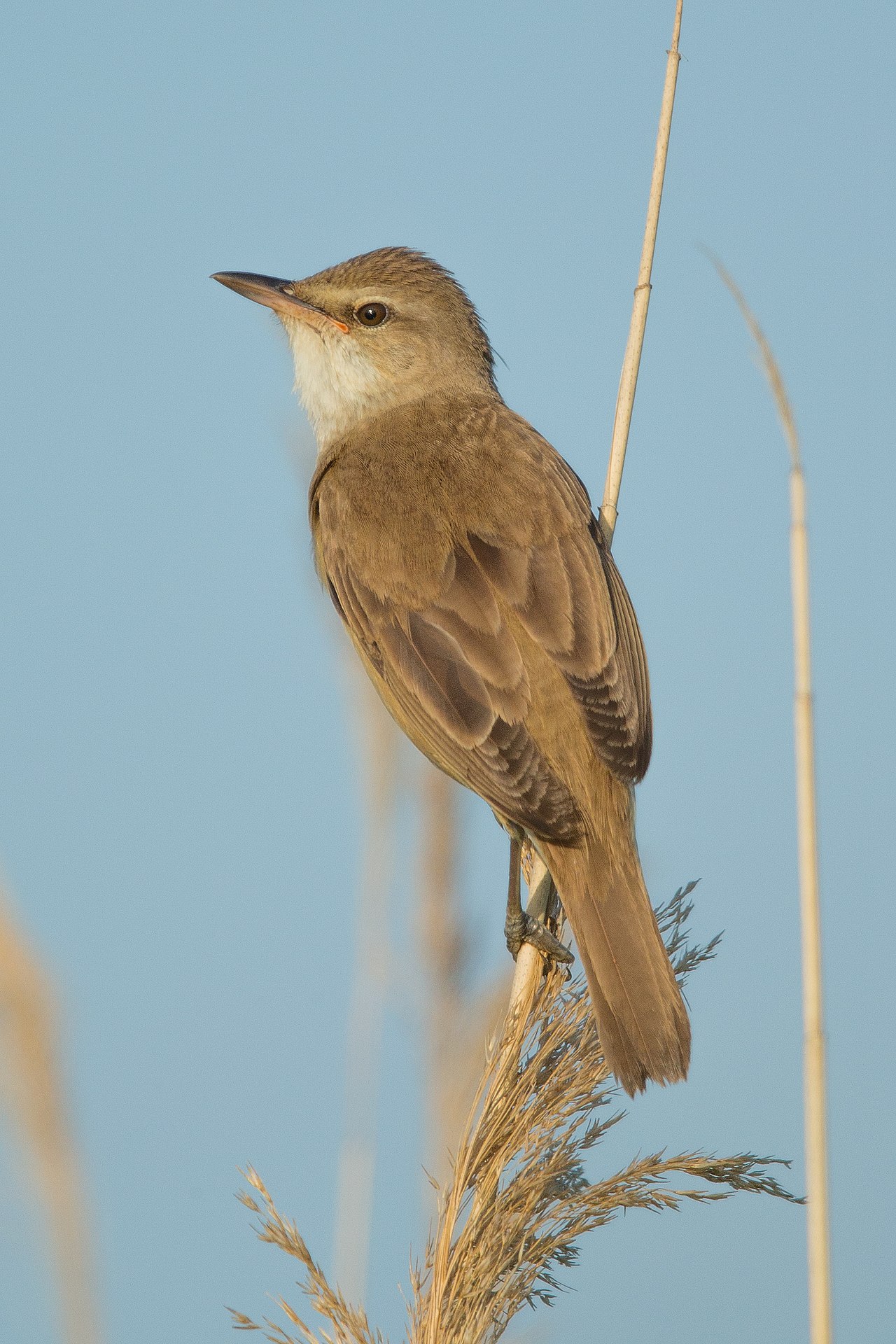
The great parrotbill is a bird species the Paradoxornithidae family. It is found in Bhutan, China, India, Myanmar, and Nepal. It was previously placed in a monotypic genus, the Conostoma.
Region
Himalayas and southwest China
Typical Environment
Occurs from Nepal and Bhutan through northeastern India (Sikkim and Arunachal Pradesh) into northern Myanmar and southwest China, including southern Tibet, Sichuan, and Yunnan. It inhabits dense understory in montane broadleaf and mixed conifer forests, especially extensive bamboo and rhododendron thickets. Birds use steep, forested slopes and gully edges where cover is continuous. Outside the breeding season they may descend slightly to lower elevations where bamboo is seeding.
Altitude Range
2500–4200 m
Climate Zone
Highland
Ease of Keeping
Beginner friendly: 1/5
The great parrotbill is the largest of the parrotbills, instantly recognized by its massive, parrot-like bill adapted for prying and crushing bamboo shoots and seeds. It favors dense bamboo and rhododendron thickets on cool Himalayan slopes and often moves altitudinally with seasons and food availability. Birds are typically encountered in pairs or small groups and may join mixed-species flocks in winter. It was formerly placed alone in the monotypic genus Conostoma.

Temperament
secretive but active in dense cover
Flight Pattern
short rapid wingbeats with low, direct dashes through vegetation
Social Behavior
Usually found in pairs or small family parties, creeping and climbing through bamboo stems and tangles. Outside the breeding season it may form larger flocks and sometimes associates with mixed-species foraging groups. Nests are typically cup-shaped and placed low to mid-level in dense bamboo or shrubs. Both sexes likely participate in nest-building and care.
Migratory Pattern
Partial migrant
Song Description
Song is a soft series of mellow whistles and chirrs delivered from within cover, often interspersed with short trills. Calls include thin metallic tinks and scolding chatters used to maintain contact in thick vegetation.
Plumage
Warm brown upperparts with rufous tones, paler buff underparts, and a greyer head and face. Plumage appears smooth and fairly uniform with subtle shading rather than strong streaking. The huge, deep bill is striking and often shows a contrastingly pale or yellowish tone. Tail is fairly long and rounded, aiding maneuvering in dense cover.
Diet
Feeds on bamboo shoots and seeds, grass seeds, buds, and berries, supplemented by small invertebrates such as beetles and caterpillars. The powerful bill allows it to pry open stems and husks and to crush tough plant material. During bamboo seeding events it may concentrate heavily on ripening seeds. Insects are taken more frequently during the breeding season.
Preferred Environment
Forages within dense bamboo, rhododendron, and tangled understory along forested slopes and gullies. Often keeps to mid to lower strata where stems provide both food and cover, occasionally hopping to the ground along edges and trails.