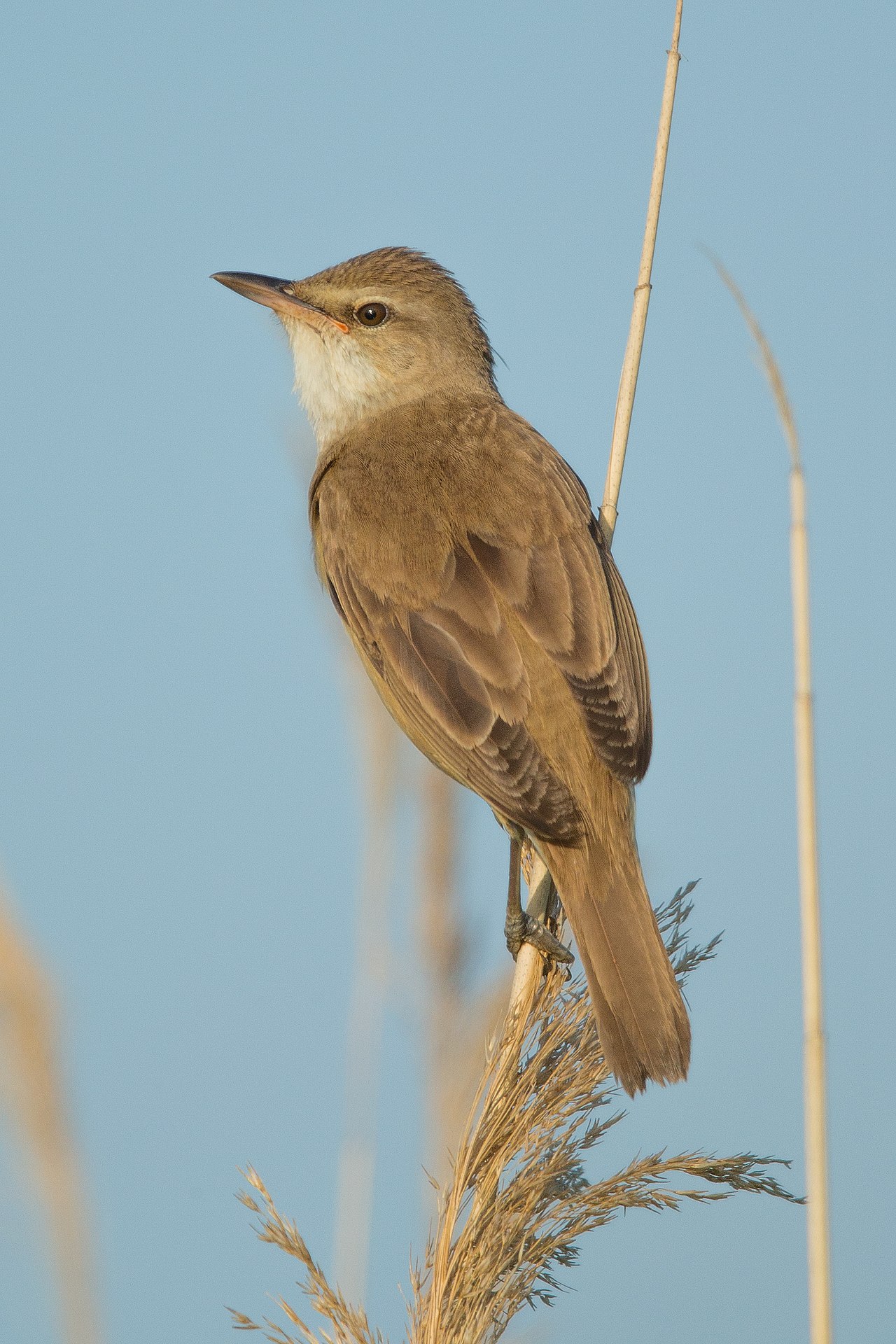
The great myna, also known as the white-vented myna, is a species of starling in the family Sturnidae. It is found in Nepal and Northeast India, through Bangladesh to Southeast Asia.
Region
South and Southeast Asia
Typical Environment
Occurs from Nepal and Northeast India through Bangladesh and Myanmar into Thailand, Laos, Cambodia, and Vietnam, with local populations in southern China and adjoining regions. It favors open country, agricultural land, forest edges, river valleys, and peri-urban areas. Frequently perches on wires and exposed treetops and readily exploits human food sources and waste. It avoids dense primary forest but occupies secondary growth and scrub.
Altitude Range
0–1800 m
Climate Zone
Tropical
Ease of Keeping
Beginner friendly: 2/5
Also called the white-vented myna, this starling is notable for its striking white vent and wing patches that flash in flight. It often forms noisy flocks around villages and farmland and is an adept mimic with a varied repertoire of calls. Highly adaptable, it thrives in human-altered landscapes such as fields, roadsides, and town edges.


Temperament
social and active
Flight Pattern
direct flight with strong, steady wingbeats
Social Behavior
Usually seen in pairs or small flocks, gathering in larger groups at roosts. Nests in cavities, including tree holes and structures, often near human habitation. Pairs are monogamous during the breeding season and defend nest sites vigorously.
Migratory Pattern
Resident
Song Description
Vocal and versatile, producing loud whistles, chatters, grating notes, and mimicry of other birds. Calls are given frequently from exposed perches and during short display flights.
Plumage
Glossy black overall with a conspicuous white vent and white patches in the wings; slight shaggy crest on the forehead and nape hackles.
Diet
Omnivorous, taking insects, earthworms, and other invertebrates, along with fruits, seeds, and nectar. Will forage in plowed fields and grass for grubs and beetles. In towns and villages it opportunistically consumes scraps and garbage. Occasionally feeds on small vertebrates or eggs when available.
Preferred Environment
Forages on the ground in open areas such as fields, lawns, road verges, and scrubby edges. Also gleans from low vegetation and visits fruiting trees in gardens and orchards.