
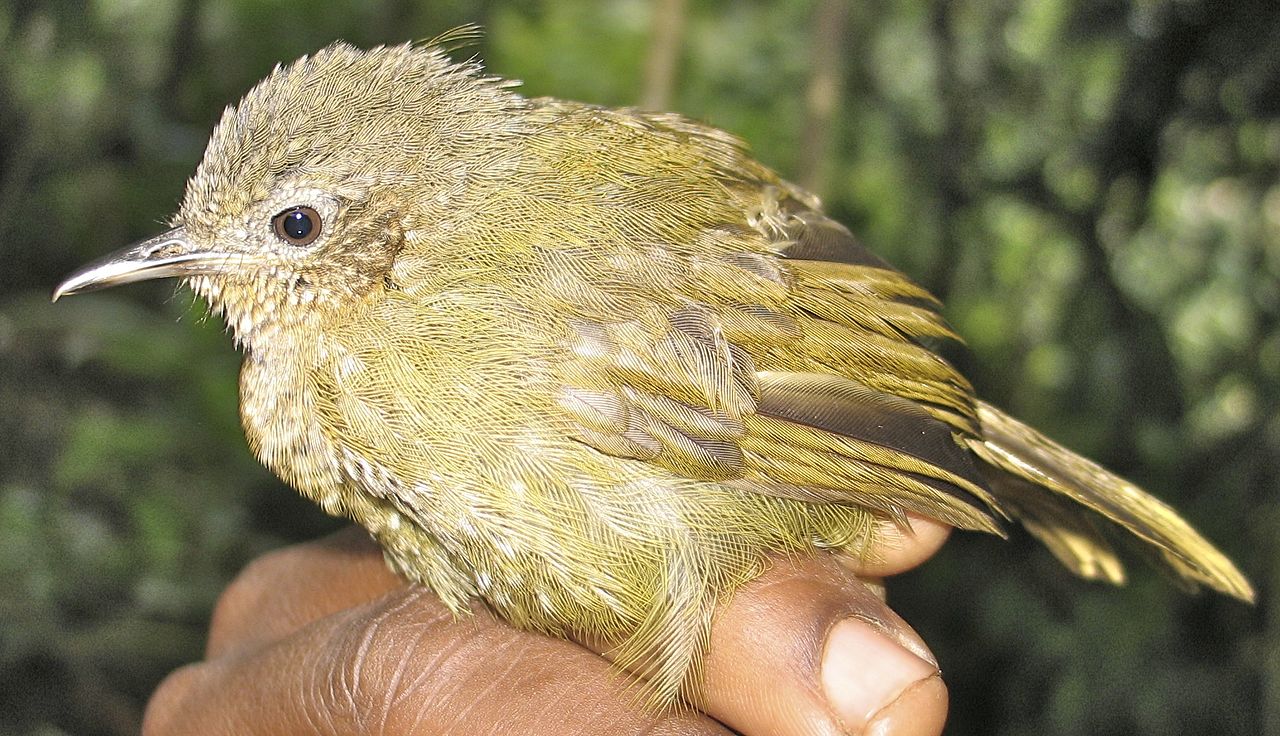
Grauer's warbler is a species of Old World warbler in the family Acrocephalidae.
Region
Albertine Rift (DRC, Rwanda, Burundi, Uganda)
Typical Environment
Occurs patchily in montane swamps, papyrus beds, and sedge marshes around upland lakes and slow streams. It favors dense emergent vegetation with standing water and tangles of grasses and sedges. Birds remain close to cover, often just above the waterline. Populations are fragmented due to the scattered nature of suitable wetlands.
Altitude Range
1600–2600 m
Climate Zone
Highland
Ease of Keeping
Beginner friendly: 1/5
Grauer's warbler is a secretive, reed-dwelling Old World warbler of high-altitude wetlands in the Albertine Rift. It keeps low in dense sedges and papyrus, where it creeps and flicks its long tail while foraging. Habitat loss and drainage of montane swamps have led to significant declines. Its presence often indicates relatively intact, marshy headwaters in the region.

Temperament
skulking and secretive
Flight Pattern
short rapid wingbeats in low, fluttering dashes between cover
Social Behavior
Typically found singly or in pairs within dense wetland vegetation. Likely forms monogamous pairs during the breeding season and defends small territories. Nests are placed low in reeds or sedges, well concealed above shallow water.
Migratory Pattern
Resident
Song Description
A thin, reeling series of high-pitched trills and chatters delivered from within cover. Calls include sharp ticks and churrs, often repeated persistently at dawn and dusk.
Plumage
Plain, soft-textured plumage with dusky-olive to brown upperparts and buffy to greyish underparts; throat paler. Long, slightly graduated tail and relatively short wings. Subtle pale supercilium and faint mottling on the flanks may be visible at close range.
Diet
Feeds mainly on insects and other small arthropods, including beetles, flies, caterpillars, and spiders. It gleans from reed stems and sedge blades and occasionally probes into leaf bases. Foraging is methodical and close to cover, with frequent tail flicks.
Preferred Environment
Forages within dense emergent vegetation of papyrus, sedges, and grasses, typically just above standing water. Edges of reedbeds, small channels, and marshy lake margins are favored microhabitats.


