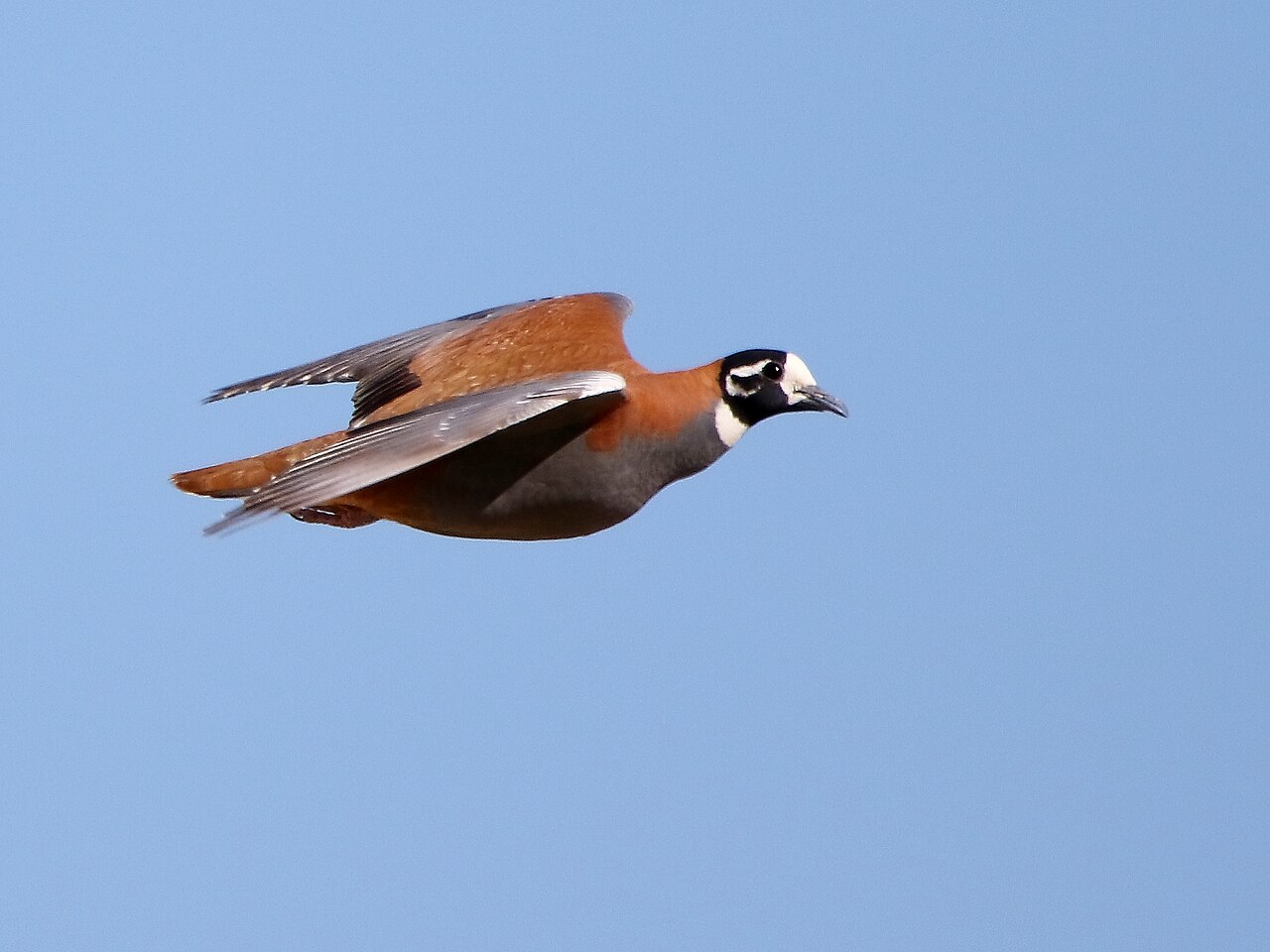
The flat-billed vireo is a species of bird in the family Vireonidae. It is endemic to the Caribbean island of Hispaniola.
Region
Greater Antilles (Hispaniola)
Typical Environment
Occurs across Hispaniola in a variety of wooded habitats, including subtropical dry forest, moist lowland and montane forest, scrub, and edges. It is often found in secondary growth, coffee plantations with shade trees, and gardens near forest. The bird forages mainly in the understory to mid-canopy, moving methodically through foliage. It persists in degraded forest patches but declines where complete clearing occurs.
Altitude Range
Sea level to 2200 m
Climate Zone
Tropical
Ease of Keeping
Beginner friendly: 1/5
The flat-billed vireo is a small, foliage-gleaning songbird endemic to Hispaniola (Dominican Republic and Haiti). It is recognized by its proportionally broad, flat-topped bill and rather plain olive-and-gray plumage. The species tolerates secondary growth and degraded woodland, which helps buffer it from habitat loss. Like other vireos, it builds a neat cup nest suspended in a forked twig.


Temperament
quiet, methodical, and somewhat skulking in foliage
Flight Pattern
short, direct flights with rapid wingbeats between trees and shrubs
Social Behavior
Usually found singly, in pairs, or small family groups; defends territories during breeding. Builds a suspended cup nest in a forked branch; both sexes likely participate in nest building and incubation. Occasionally joins mixed-species flocks outside the breeding season.
Migratory Pattern
Resident
Song Description
Delivers a series of short, deliberate phrases typical of vireos, with brief pauses between notes. Also gives dry scolds and soft contact calls while foraging.
Plumage
Olive-green upperparts with grayish to whitish underparts and a subtle yellowish wash on the flanks; generally plain with minimal wing markings.
Diet
Primarily consumes insects and other small arthropods gleaned from leaves, twigs, and hidden surfaces. Will take caterpillars, beetles, and spiders. Supplements diet with small fruits and berries, especially when insect prey is less abundant.
Preferred Environment
Forages in understory and mid-canopy of forests, thickets, and edge habitats. Frequently searches along vine tangles and outer foliage layers and may use shaded agroforestry systems such as coffee plantations.