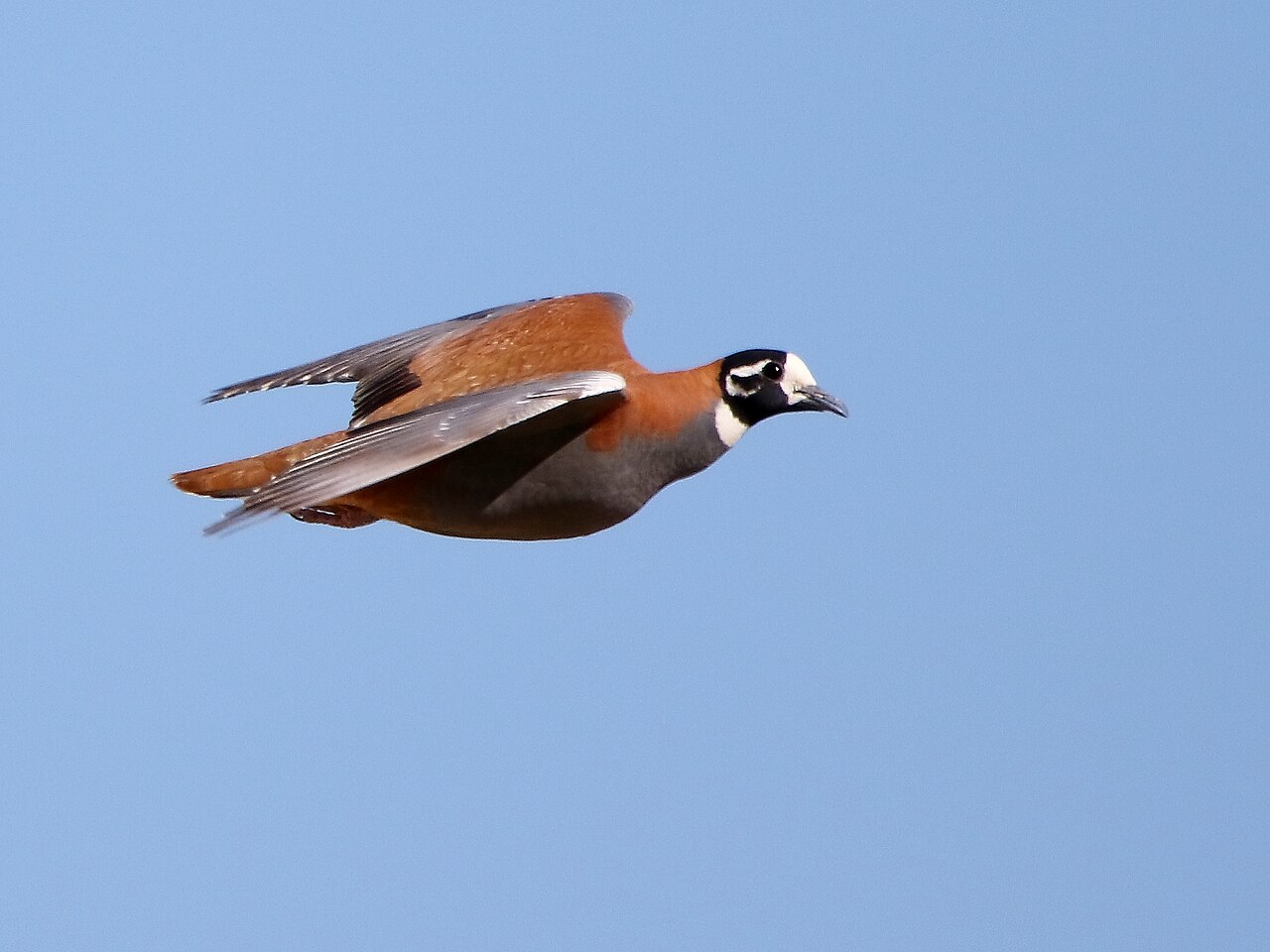
The flesh-footed shearwater is a medium-large shearwater that mainly inhabits the Indo-Pacific. Its plumage is black with pale pinkish feet, and a pale bill with a distinct black tip. Together with the equally light-billed pink-footed shearwater, it forms the Hemipuffinus group, a superspecies which may or may not have an Atlantic relative in the great shearwater. These large shearwaters are among those that have been separated into the genus Ardenna. Recent genetic analysis indicates evidence of strong divergence between Pacific colonies relative to those in South and Western Australia, thought to be explained by philopatry and differences in foraging strategies during the breeding season.
Region
Indo-Pacific
Typical Environment
Breeds on islands off Western and South Australia, Lord Howe Island, and in parts of northern New Zealand, nesting in burrows within forest or shrub-covered terrain. Outside the breeding season it disperses widely across the subtropical and temperate Pacific, with many birds ranging into the North Pacific, and also occurs in parts of the Indian Ocean. At sea it favors offshore and pelagic waters over continental shelves and slopes, often along productive upwellings. Colonies are typically on predator-free or managed islands with suitable soil for burrowing. The species spends most of its life far from land, returning only to breed.
Altitude Range
Sea level to 300 m
Climate Zone
Subtropical
Ease of Keeping
Beginner friendly: 1/5
The flesh-footed shearwater is a pelagic seabird of the Indo-Pacific, notable for its pale, fleshy-pink feet and a pale bill with a distinct black tip. It breeds colonially in burrows on offshore islands, showing strong philopatry to natal colonies. At sea it frequently associates with fishing vessels and is vulnerable to longline bycatch and ingestion of plastics. Genetic studies show marked divergence among colonies, likely driven by colony fidelity and differing foraging strategies.


Ardenna carneipes
Temperament
social and active
Flight Pattern
dynamic soaring with long glides on stiff wings interspersed with rapid wingbeats
Social Behavior
Strongly colonial, nesting in burrows often under vegetation and returning to the same colony and even burrow across years. Pairs are largely monogamous with shared incubation and chick-rearing duties. Most colony activity occurs at night, reducing predation and heat stress.
Migratory Pattern
Seasonal migrant
Song Description
Generally quiet at sea, but at colonies gives moans, wails, and rattling chatters, especially at night. Vocalizations help pairs and neighbors recognize each other underground.
Plumage
Uniform sooty-brown to blackish plumage with slightly paler underparts in worn birds; wings appear translucent along the primaries when backlit.
Diet
Feeds mainly on squid, small fish, and crustaceans, often taking prey at or near the surface and occasionally by shallow pursuit-diving. It frequently follows fishing vessels to scavenge offal, which increases exposure to hooks and plastics. Foraging is guided by ocean productivity features such as fronts and upwellings, and the species can travel long distances between prey patches.
Preferred Environment
Open ocean and shelf-edge waters, often along convergences and current systems where prey aggregates. Also forages around fishing fleets and natural slicks where prey is concentrated.