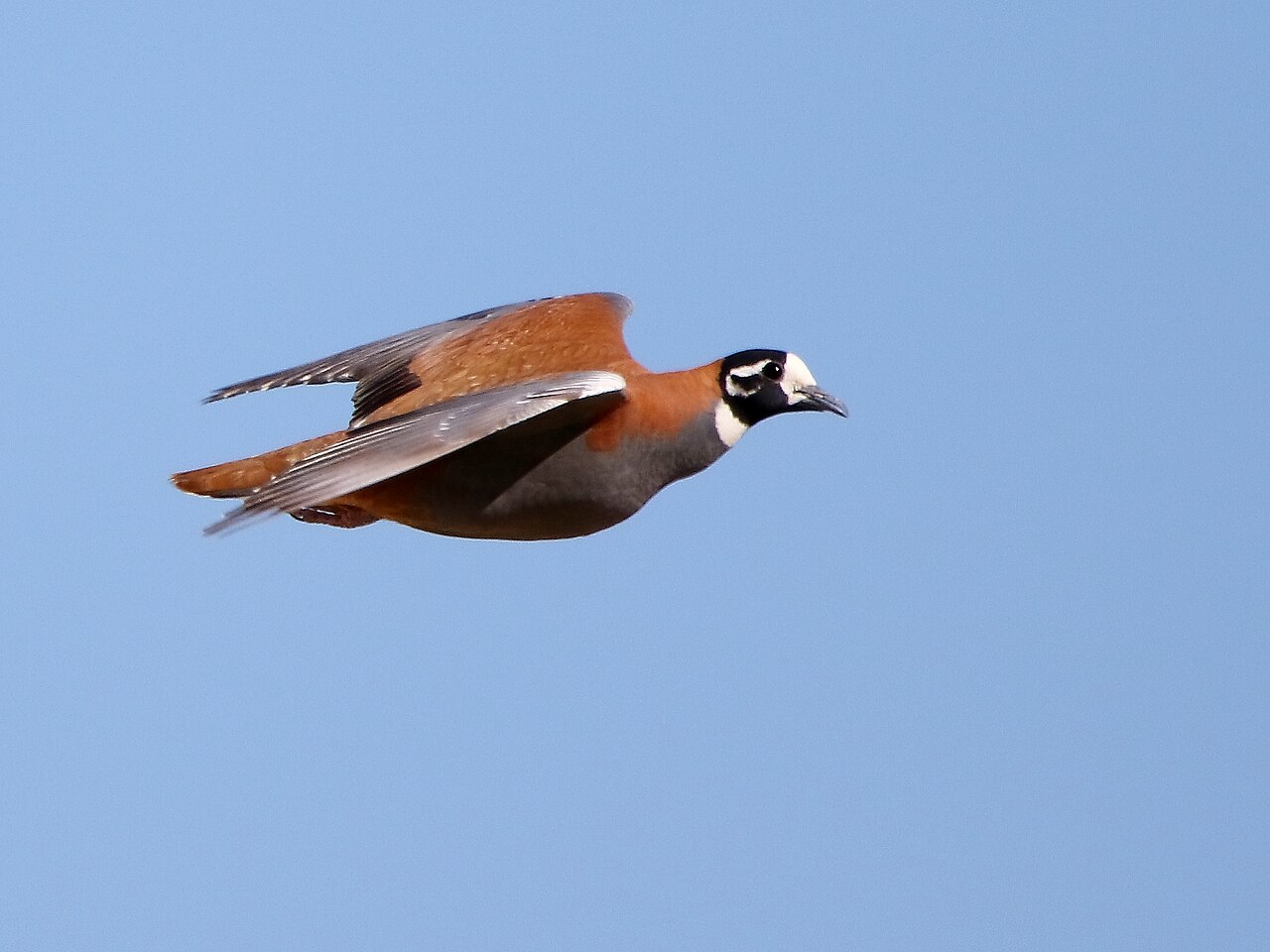
The flavescent bulbul is a species of songbird in the bulbul family of passerine birds. Its name comes from flavescent, a yellowish colour. It is found in south-eastern Asia.
Region
Southeast Asia
Typical Environment
Occurs from the Himalayan foothills of northeastern India and southern China through Myanmar, Thailand, Laos, Cambodia, and Vietnam. Prefers montane evergreen and moist broadleaf forests, forest edges, and clearings with dense undergrowth. Common in secondary growth, bamboo stands, and along streams and roadsides within hill forests. It often ventures into cultivated mosaics near forested slopes where fruiting trees are present.
Altitude Range
200–2400 m
Climate Zone
Subtropical
Ease of Keeping
Beginner friendly: 2/5
The flavescent bulbul is a medium-sized songbird named for its yellowish, flavescent tones. It frequents forest edges and montane evergreen habitats, often moving in pairs or small mixed flocks. Its lively, whistled phrases and chatters are a familiar sound in Southeast Asian hills. It adapts well to secondary growth and bamboo thickets, aiding its persistence across much of its range.


Temperament
social and active
Flight Pattern
short rapid wingbeats
Social Behavior
Usually seen in pairs or small family groups, and frequently joins mixed-species foraging flocks in the canopy and mid-story. Builds a neat cup-shaped nest in shrubs or small trees. Breeding pairs defend a small territory around the nest but may forage communally nearby.
Migratory Pattern
Resident
Song Description
A series of clear, fluty whistles interspersed with chatter and scolding notes. The song is variable and lively, often delivered from a mid-level perch and repeated in short sequences.
Plumage
Olive-brown upperparts with yellowish (flavescent) underparts, a paler breast, and bright yellow undertail coverts; often shows a slight crest. The throat is whitish with subtle dusky malar shading and a pale eye-ring.
Diet
Eats a mixture of soft fruits and berries, including figs and other forest fruits. Supplements its diet with insects, spiders, and other small invertebrates gleaned from foliage and branches. Occasionally takes nectar or soft flower parts when available. Opportunistic around fruiting trees and along forest edges.
Preferred Environment
Feeds in mid to upper canopy layers, forest edges, and secondary growth. Frequently forages in bamboo and along sunny gaps and stream margins where fruit and insects are abundant.