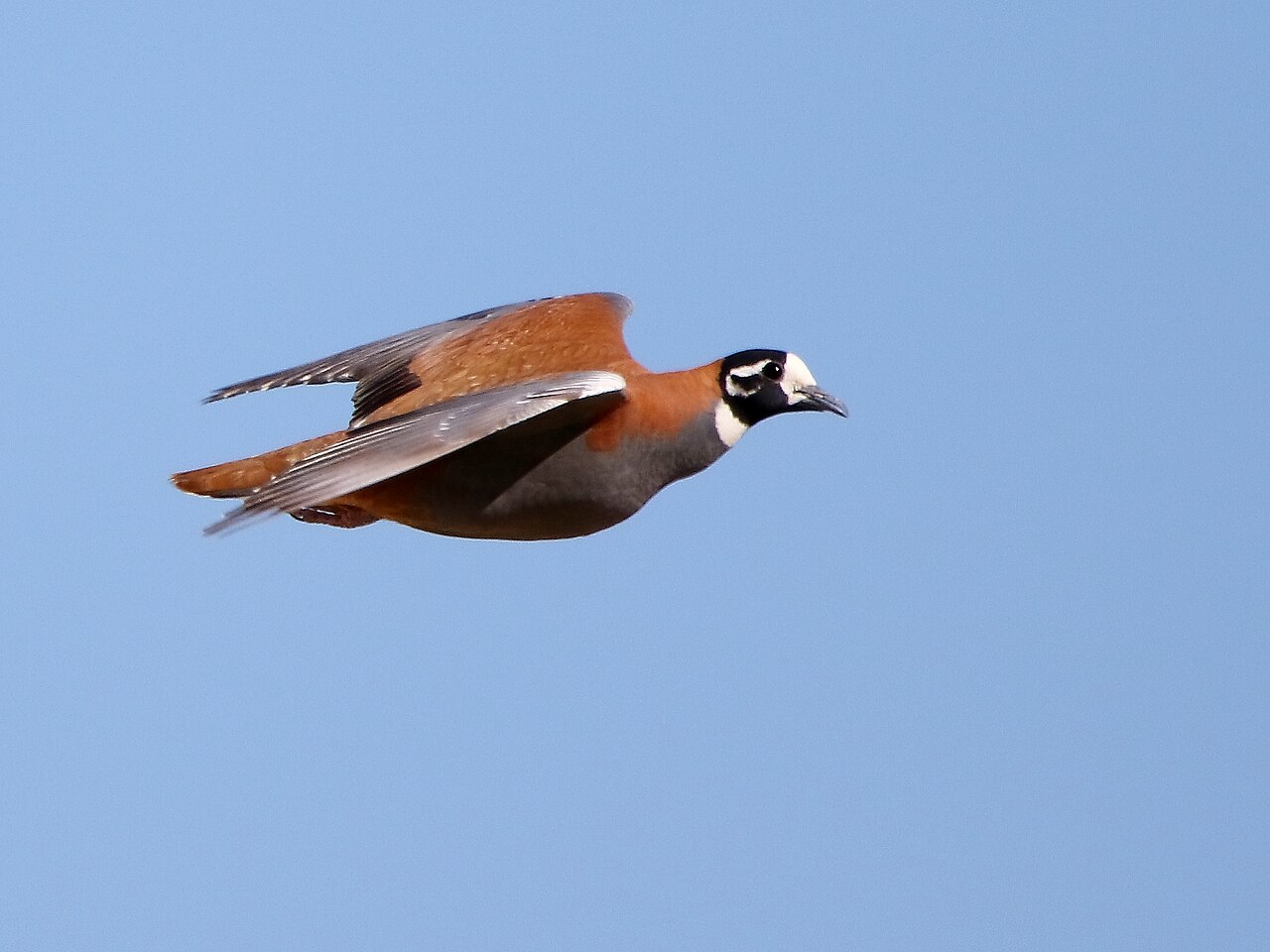
The flavescent warbler is a species of bird in the family Parulidae. Its name comes from flavescent, a yellowish colour. It is found in Argentina, Bolivia, Brazil, Colombia, Guyana, Paraguay, and Venezuela. Its natural habitats are subtropical or tropical dry forest and subtropical or tropical moist lowland forest.
Region
South-central South America
Typical Environment
Primarily found in Brazil, Bolivia, Paraguay, and northern Argentina. It inhabits subtropical and tropical dry and moist lowland forests, as well as forest edges, gallery forests, and secondary growth. The species favors dense understory, including thickets and bamboo, where it can remain concealed while foraging. It also uses riparian corridors and disturbed habitats with sufficient shrub cover.
Altitude Range
Sea level to 2000 m
Climate Zone
Subtropical
Ease of Keeping
Beginner friendly: 1/5
A small New World warbler, the flavescent warbler takes its name from its warm yellow (flavescent) underparts. It stays low in the understory, where it flicks its tail and forages actively, often joining mixed-species flocks. Nests are typically domed and placed close to the ground, with both parents feeding the young.


Temperament
active and skulking
Flight Pattern
short rapid wingbeats through understory
Social Behavior
Usually seen singly or in pairs, and frequently joins mixed-species flocks while foraging. Pairs defend small territories and build domed, ground-level nests hidden in dense cover. Both sexes participate in parental care.
Migratory Pattern
Resident
Song Description
A high, thin series of trills and buzzy notes delivered in short phrases, often repeated from low perches. Calls are sharp tseep or tsit notes used to keep contact in dense cover.
Plumage
Olive-green upperparts with warm yellow underparts, including throat and belly; subtle pale yellow supercilium and slightly duskier auriculars; tail and wings olive, often without strong wing bars.
Diet
Feeds mainly on small insects and other arthropods such as spiders and larvae. Gleans from leaves and twigs, probes among dead foliage, and occasionally makes short sallies to capture prey. Forages methodically at low to mid-levels in dense vegetation.
Preferred Environment
Understory of forests, wooded edges, gallery forests, and regenerating secondary growth with abundant shrubs or bamboo. Often close to streams or in riparian thickets where insect activity is high.