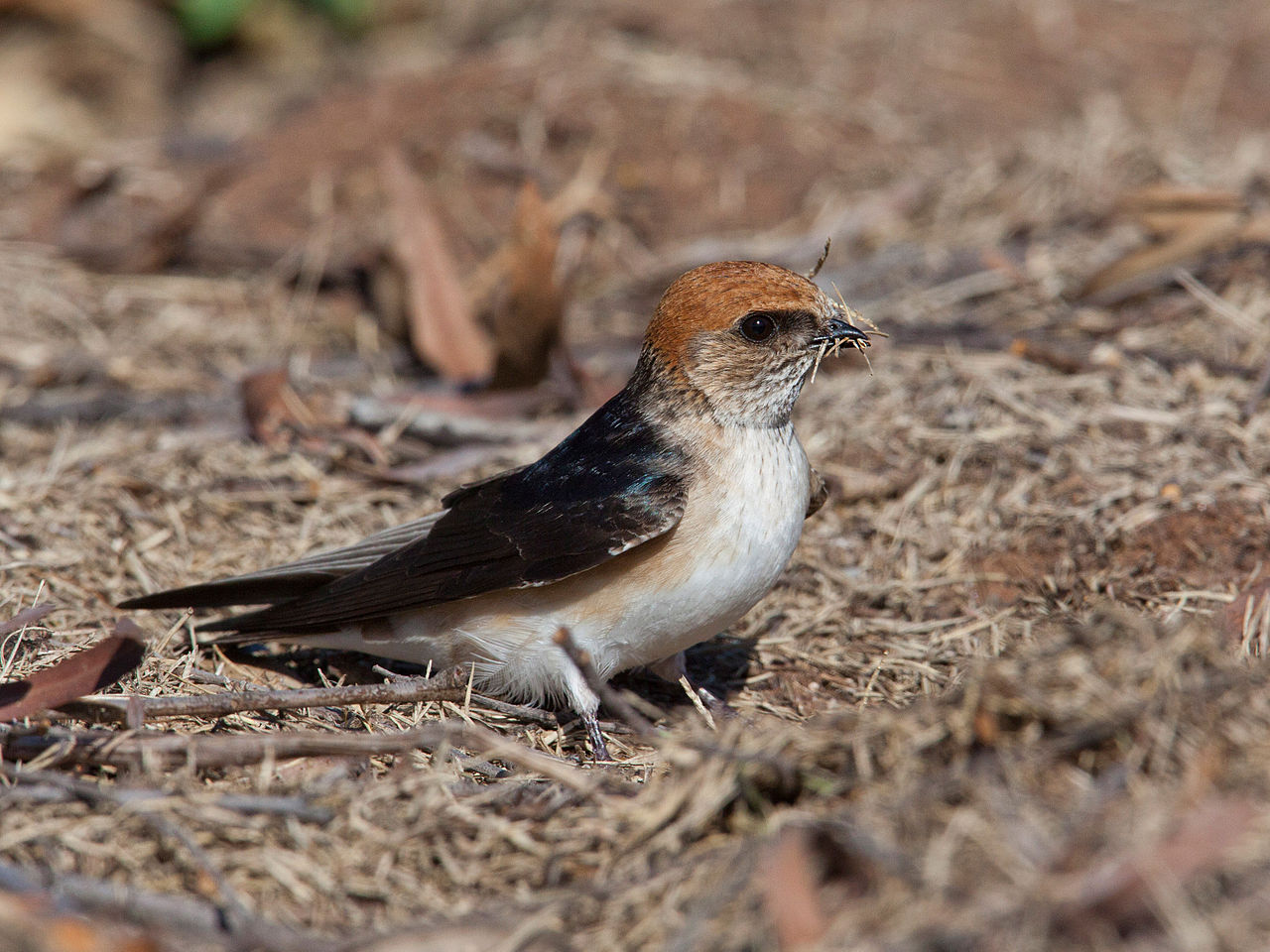
The eyebrowed wren-babbler is a species of bird in the family Pellorneidae. It is found in Bhutan, China, India, Indonesia, Laos, Malaysia, Myanmar, Thailand, and Vietnam. Its natural habitats are subtropical or tropical moist lowland forest and subtropical or tropical moist montane forest.
Region
South and Southeast Asia
Typical Environment
Occurs from the Himalayan foothills through northeast India and Bhutan into southern China and widely across mainland Southeast Asia to Sumatra and Borneo. It inhabits subtropical and tropical moist lowland and montane forests, favoring dense thickets, bamboo, and tangles near streams. The species keeps close to the forest floor and frequents shaded gullies and ravines. It tolerates secondary growth if sufficient understory cover remains and may persist in selectively logged forests.
Altitude Range
Sea level to 2200 m
Climate Zone
Tropical
Ease of Keeping
Beginner friendly: 1/5
A shy, ground-loving bird of dense undergrowth, the eyebrowed wren-babbler is best detected by its clear, ringing whistles rather than by sight. Its prominent pale eyebrow and short tail help separate it from similar understory babblers. It forages by probing and flicking through leaf litter near streams and damp ravines. Despite its secretive habits, it is widespread and locally common across South and Southeast Asia.

Temperament
secretive and skulking
Flight Pattern
short rapid wingbeats, low and fluttering through understory
Social Behavior
Usually solitary or in pairs, sometimes in small family groups. Nests are typically placed low, often domed or well-concealed among roots, banks, or dense vegetation. Pairs are thought to be monogamous, with both sexes participating in nesting duties.
Migratory Pattern
Resident
Song Description
A clear, ringing series of whistles, often delivered from concealed perches in dense cover. Calls include sharp chips and piping notes, and pairs may engage in brief duets.
Plumage
Warm-brown upperparts with fine darker mottling, pale buffy underparts with faint scaling or barring on the breast and flanks, and a very short, often cocked tail. Feathers appear soft and loose, aiding its skulking lifestyle in thick cover.
Diet
Primarily small invertebrates, including ants, beetles, spiders, and other arthropods gleaned from leaf litter and moss. It probes into crevices, turns leaves, and picks prey from the ground and low vegetation. Occasional small snails or other soft-bodied invertebrates may be taken.
Preferred Environment
Feeds on the forest floor and in the lowest understory, especially along damp trails, stream edges, and shaded ravines. Dense thickets and bamboo stands provide cover while foraging.