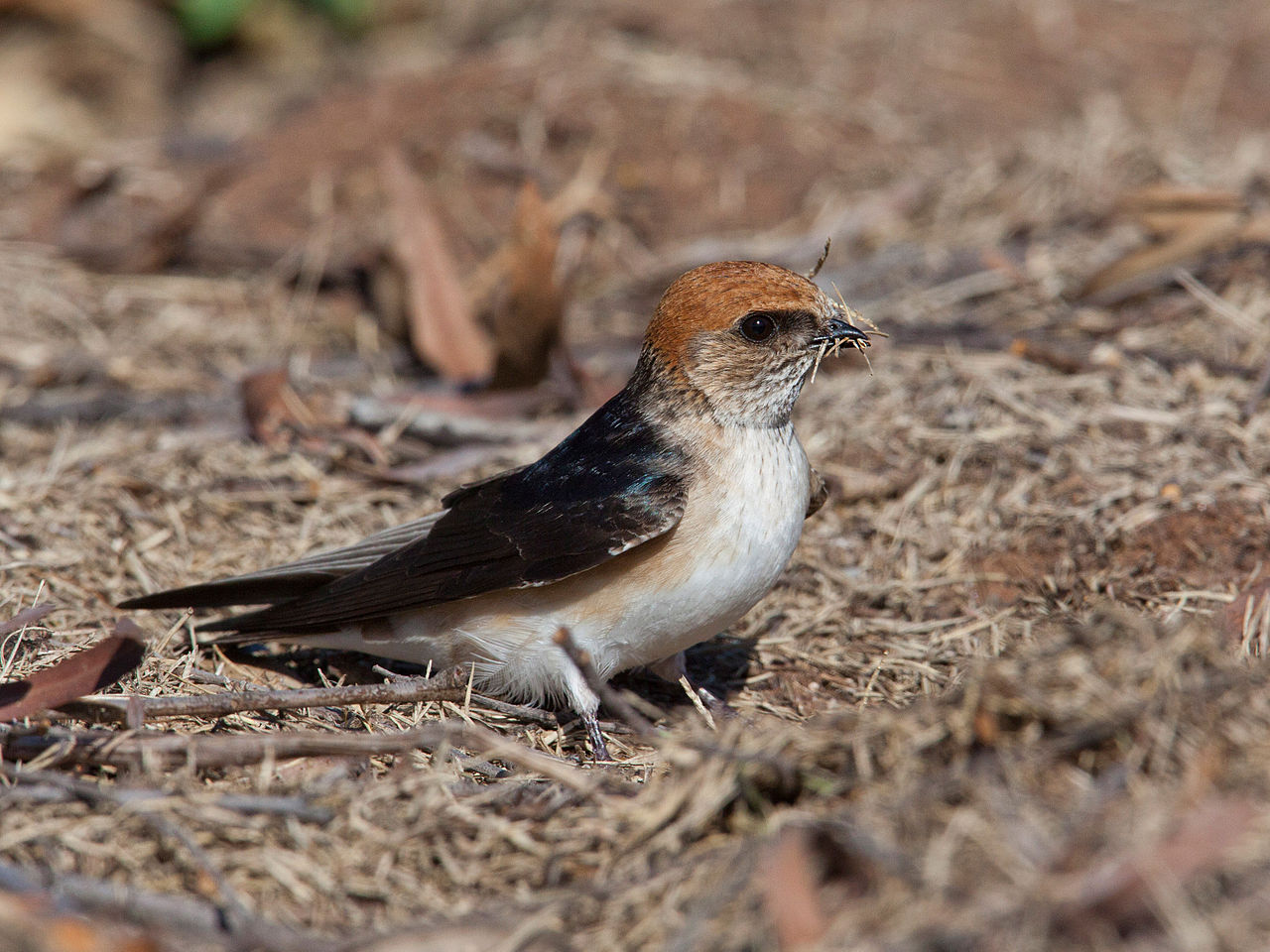
The fairy flycatcher or fairy warbler is a small passerine bird. Formerly placed in the Old World flycatcher family, Muscicapidae, it is now separated with some other "odd flycatchers" as the new family Stenostiridae. It is the only member of the genus Stenostira.
Region
Southern Africa
Typical Environment
Occurs mainly in South Africa, Lesotho, Namibia, and adjacent parts of southern Africa, from coastal fynbos to Karoo shrublands and dry savanna. Favours open, scrubby habitats, hillsides with scattered bushes, and riparian thickets in otherwise arid country. It also uses montane slopes with protea and erica, as well as gardens and shelterbelts near natural scrub. Outside the breeding season it often wanders widely following rainfall and insect abundance.
Altitude Range
Sea level to 2500 m
Climate Zone
Temperate
Ease of Keeping
Beginner friendly: 1/5
Also called the fairy warbler, this is the sole member of the genus Stenostira and is now placed in the family Stenostiridae. It is an agile, delicate insect-hunter that often joins mixed-species flocks in southern Africa. The species frequently flicks and fans its tail while foraging, revealing striking white outer tail feathers.


Temperament
active and alert
Flight Pattern
short rapid wingbeats with agile sallies
Social Behavior
Usually seen singly or in pairs during the breeding season, remaining unobtrusive in low scrub. In the nonbreeding season it commonly joins mixed-species foraging flocks, moving quickly through bushes. Cup-shaped nest is placed low in dense shrubbery; both parents feed the young.
Migratory Pattern
Partial migrant
Song Description
A thin, high-pitched series of tsee and see notes, interspersed with fine trills. Calls are delicate and sibilant, carrying surprisingly well in open scrub.
Plumage
Neat, slim flycatcher with soft grey upperparts and pale underparts, accented by a bold dark facial mask and clean white wing and tail flashes.
Diet
Feeds almost exclusively on small insects and other arthropods, including flies, beetles, moths, caterpillars, and spiders. It gleans from foliage and twigs and makes short sallies to catch aerial prey. Tail-flicking and brief hovering are common while picking insects from leaf tips.
Preferred Environment
Forages in low, open scrub, fynbos, and arid shrublands, often along edges and in sparsely wooded ravines. Frequently uses sheltered leeward sides of bushes and riparian thickets where insect activity is concentrated.