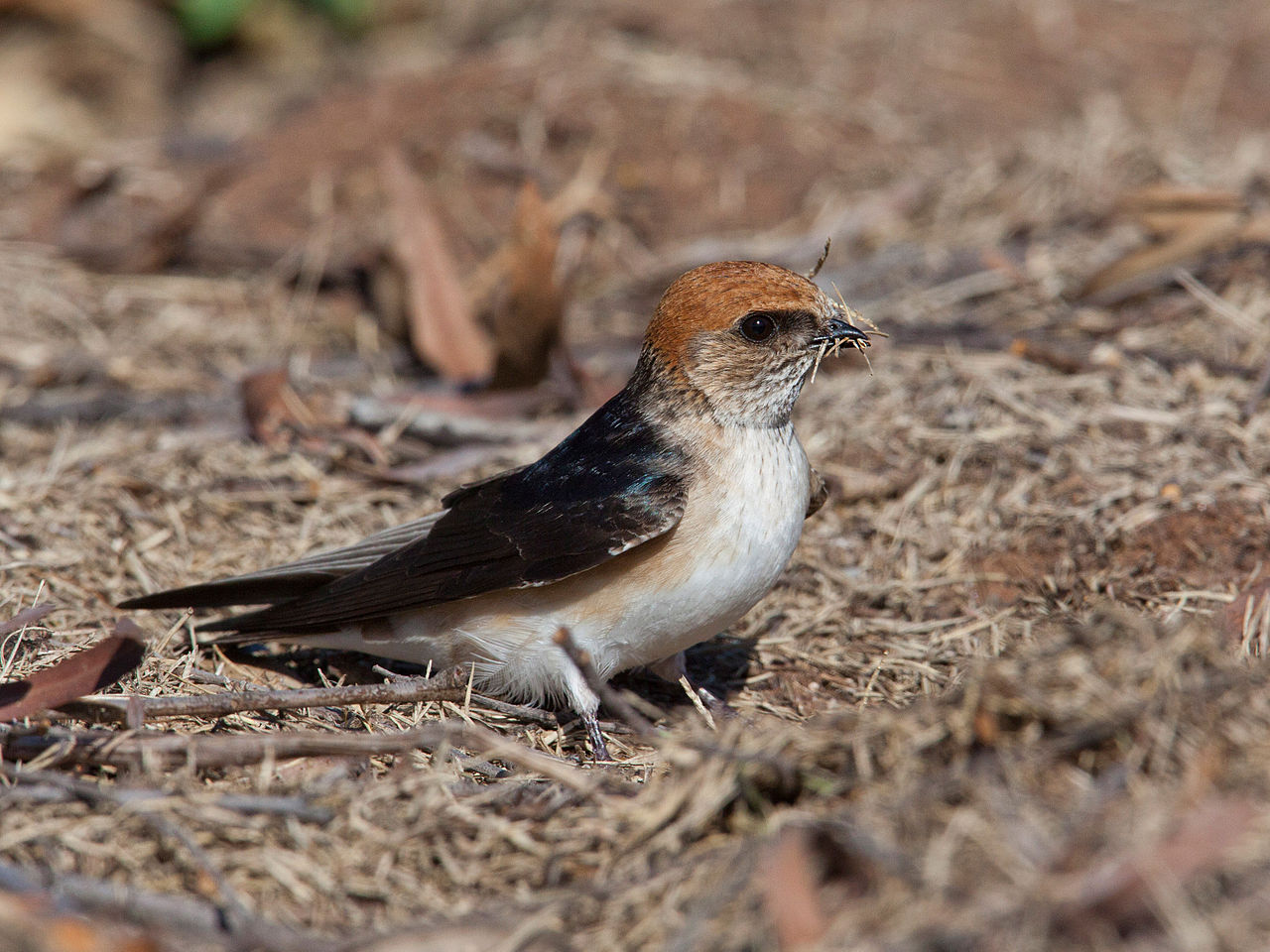
The fairy gerygone, previously known as the fairy warbler, is a species of bird in the family Acanthizidae native to New Guinea and Queensland.
Region
Australasia (New Guinea and northeastern Australia)
Typical Environment
The fairy gerygone inhabits lowland and foothill rainforests, monsoon forest patches, and dense secondary growth across New Guinea and far northeastern Queensland. It favors forest edges, vine thickets, and riparian corridors where insects are abundant. In northern Australia it is most frequent in tropical rainforest margins and adjacent eucalypt woodlands with a dense understory. It forages mainly in the midstory to canopy, occasionally descending to shrubby layers in disturbed habitats.
Altitude Range
Sea level to 1200 m
Climate Zone
Tropical
Ease of Keeping
Beginner friendly: 1/5
Also called the fairy warbler, this tiny Australasian songbird is active in the canopy and often joins mixed-species foraging flocks. It builds a neat, hanging domed nest with a side entrance, suspended from slender branches or foliage. Pairs maintain small territories year-round and give high, tinkling calls that carry through forest edges.


Temperament
social and active
Flight Pattern
short rapid wingbeats with quick, darting flights between foliage
Social Behavior
Usually seen in pairs or small family groups and frequently associates with mixed-species canopy flocks. Pairs maintain territories and communicate with high, thin contact calls. Nests are neat, domed structures with a side entrance, suspended from fine branches or vines.
Migratory Pattern
Resident
Song Description
Song is a series of high, tinkling phrases and sweet, thin trills delivered from concealed perches. Calls include sharp chips and soft, repeated see notes that carry well in forest edges.
Plumage
Small, compact gerygone with olive-green upperparts and yellow to yellow-washed underparts; throat and breast pale yellow, often cleaner toward the center. The head is gray-olive with darker lores; plumage is smooth and lacks heavy streaking. Feathers appear sleek with a subtle gloss in good light.
Diet
Primarily consumes small insects and other arthropods gleaned from leaves, twigs, and fine branch tips. It probes among clusters of foliage and occasionally sallies short distances to snatch flying prey. Small spiders, caterpillars, and beetles form much of the diet, with opportunistic feeding on other tiny invertebrates.
Preferred Environment
Forages mainly in the midstory and canopy of rainforest edges, secondary growth, and monsoon thickets. Often follows mixed-species flocks along forest margins and riparian corridors where insect prey is concentrated.