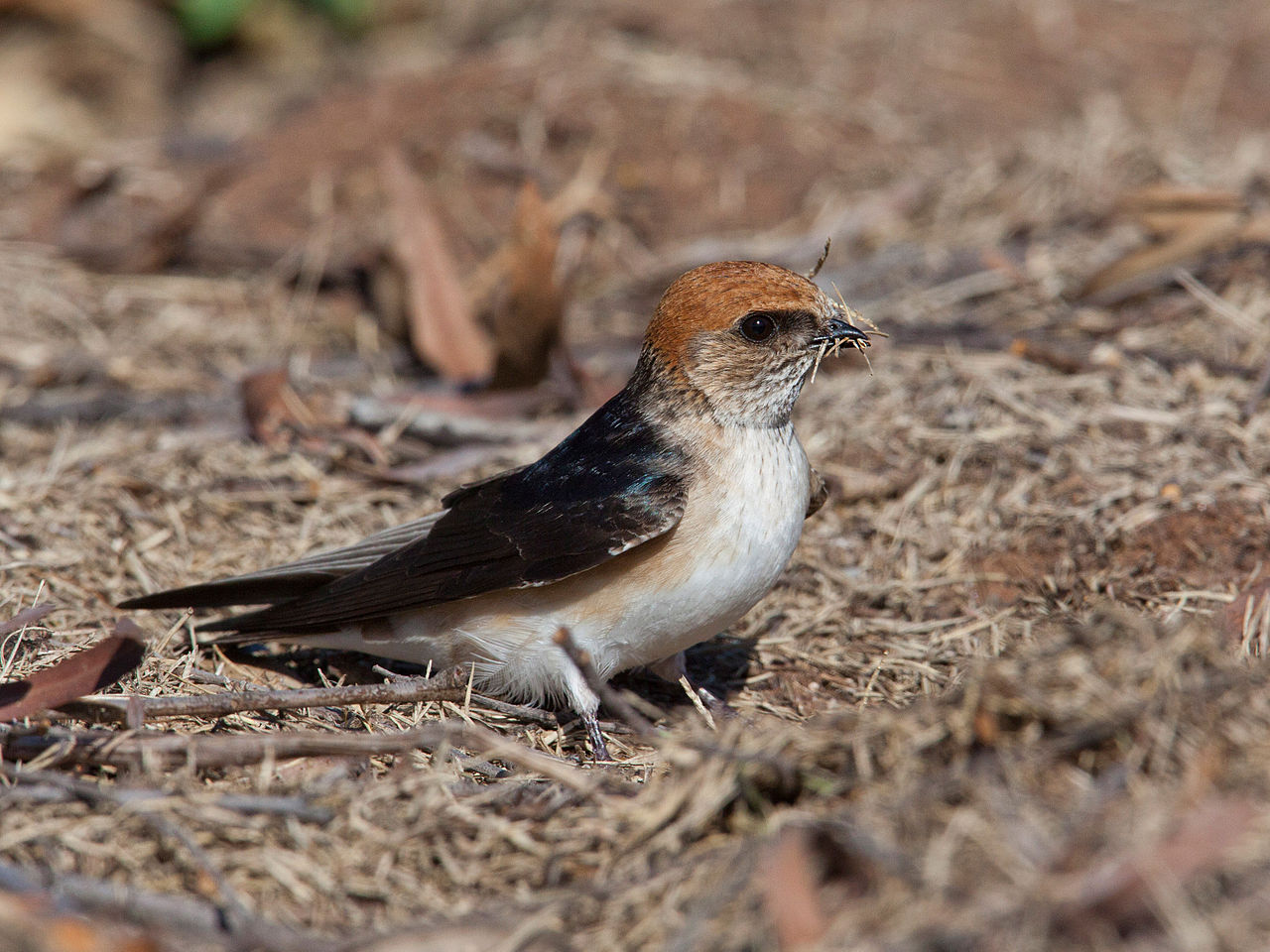
The eyebrowed thrush is a member of the thrush family Turdidae. It breeds in dense coniferous forest and taiga eastwards from Siberia and Mongolia to Japan. It is strongly migratory, wintering south to China and Southeast Asia. It is a rare vagrant to western Europe.
Region
East Palearctic
Typical Environment
Breeds across the taiga and mixed coniferous forests of Siberia and Mongolia east to northeastern China and Japan. In the non-breeding season it moves south to eastern China, Taiwan, and parts of mainland Southeast Asia. During migration it occurs in forest edges, wooded valleys, parks, and gardens. It is a rare vagrant to western Europe, usually in late autumn or winter. Habitats range from dense coniferous forest to mixed woodland and shrubby clearings.
Altitude Range
Sea level to 2000 m
Climate Zone
Continental
Ease of Keeping
Beginner friendly: 1/5
The eyebrowed thrush is named for its bold pale supercilium, which stands out even at a distance. It is a scarce but regular winter visitor to parts of East and Southeast Asia and an occasional vagrant to western Europe, often associating with Redwings and other thrushes. It can be confused with Dusky Thrush, but shows cleaner white underparts with warm rufous flanks and a plainer face aside from the striking eyebrow.


Temperament
wary and active
Flight Pattern
direct, strong flier with rapid wingbeats
Social Behavior
Breeds solitarily or in loose pairs, building a cup nest in trees or dense shrubs. Outside the breeding season it often forms small flocks and mixes with other thrushes at fruiting trees. Both parents feed the young, and birds forage mostly on or near the ground by hopping and turning leaf litter.
Migratory Pattern
Seasonal migrant
Song Description
Song is a soft, melodious series of clear whistles and varied phrases, quieter than many other Turdus thrushes. Calls include sharp 'tseep' or 'tik' notes, and a thin, slightly sibilant flight call given during migration.
Plumage
Upperparts grey-brown with a clean white belly and warm rufous-orange flanks and breast-sides. Face shows a dark mask with a bold pale supercilium ('eyebrow'); throat whitish with fine streaking and a subtle malar line. Underwing coverts show orange tones; tail and wings are brown with slightly darker flight feathers.
Diet
Feeds on insects, beetles, caterpillars, spiders, and earthworms during the breeding season. In autumn and winter it shifts to berries and fruits such as rowan, elder, and juniper, and will also take seeds opportunistically. It flicks through leaf litter and probes soil, and also picks fruit directly from shrubs and trees.
Preferred Environment
Forages on the forest floor in coniferous and mixed woodland, along edges, and in clearings. In winter it is frequently seen in parks, orchards, and secondary growth with abundant fruiting shrubs.