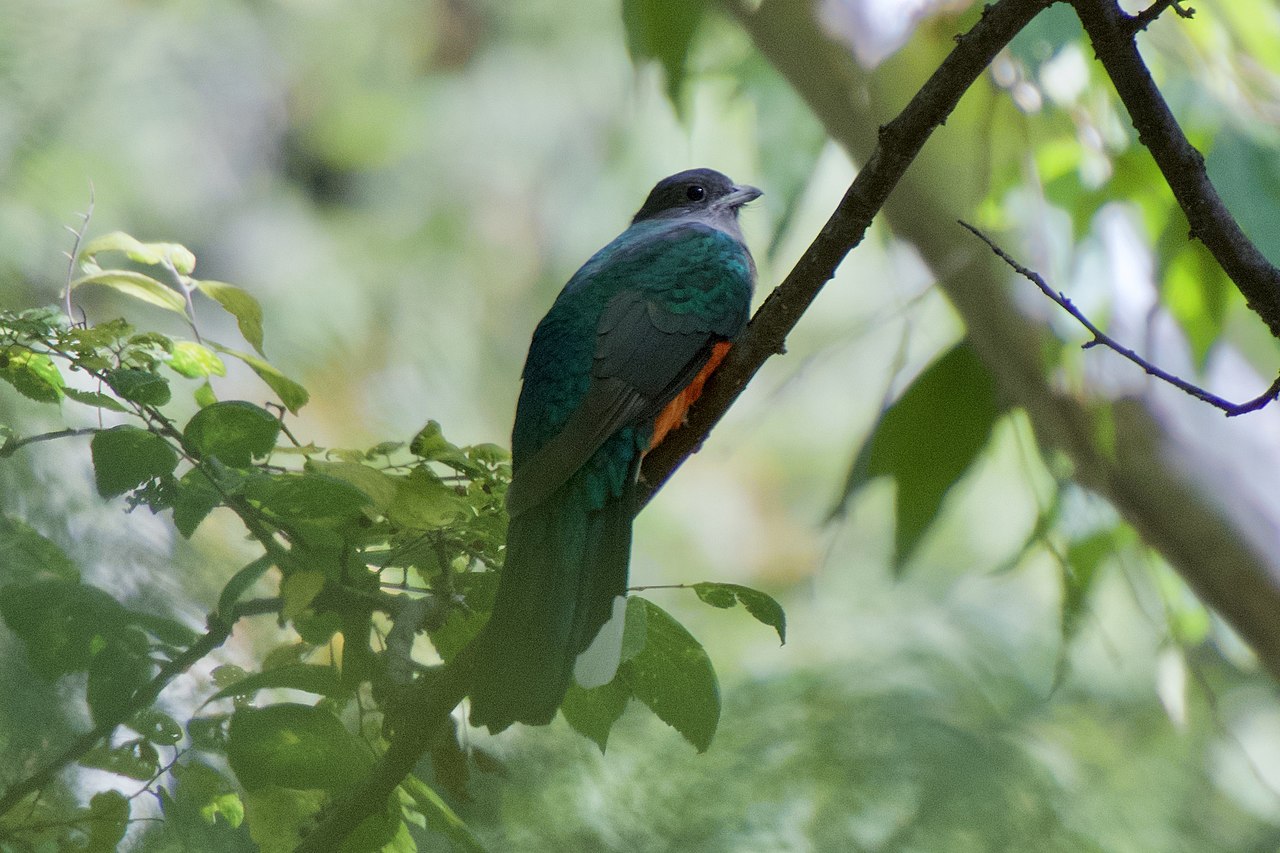
The dwarf vireo is a species of bird in the family Vireonidae. It is endemic to Mexico.
Region
Central Mexican Highlands
Typical Environment
Occurs in montane scrub, thorny thickets, and edges of pine–oak and juniper woodlands. Favors semi-open hillsides, canyons, and second-growth where shrubs and small trees provide dense cover. Forages primarily in the mid to upper levels of shrubs and small trees, often along edges and ravines. Uses anthropogenic mosaic landscapes with hedgerows and remnant woodland patches.
Altitude Range
1200–3000 m
Climate Zone
Highland
Ease of Keeping
Beginner friendly: 1/5
A tiny vireo restricted to the highlands of central Mexico, it keeps to scrubby slopes and pine–oak edges where it forages methodically through foliage. Its song is a persistent series of short, nasal phrases delivered from mid-level perches. The species builds a neat cup nest suspended from a forked twig and is largely sedentary year-round.


Temperament
secretive and territorial
Flight Pattern
short rapid wingbeats
Social Behavior
Typically seen singly or in pairs during the breeding season, maintaining small territories in dense shrubbery. Builds a suspended cup nest in a fork of a shrub or small tree; both adults help feed the young. Outside the breeding season it may accompany mixed-species flocks in suitable scrub and woodland edges.
Migratory Pattern
Resident
Song Description
A rapid series of short, nasal whistles and scolding phrases, delivered repetitively from mid-canopy perches. Calls include sharp chips and harsher scolds when agitated.
Plumage
Olive-green upperparts with a grayish head and pale gray to whitish underparts; feathering appears smooth and neat. Shows a crisp whitish eye-ring forming spectacles and often faint, sometimes indistinct, wingbars. The bill is small and slightly hooked at the tip.
Diet
Primarily gleans small insects and their larvae from leaves and twigs, including beetles, caterpillars, and spiders. Occasionally hawks short distances to snatch prey. May take small berries or other soft fruits opportunistically, especially in the dry season when insects are less abundant.
Preferred Environment
Forages in dense montane scrub, hedgerows, and the edges of pine–oak and juniper woodlands. Frequently works through mid-level foliage and outer twigs, especially along edges, ravines, and semi-open slopes.