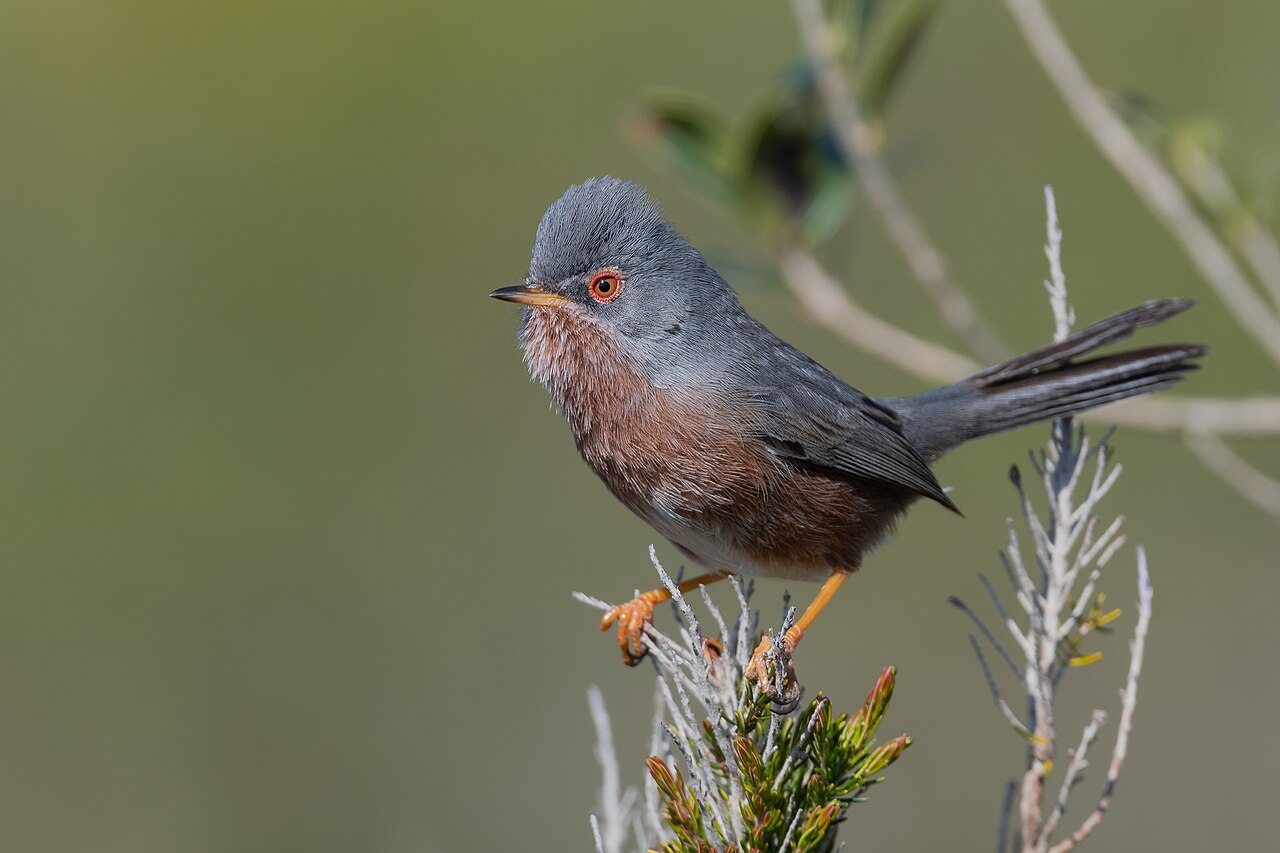
The dark-throated oriole is a species of bird in the family Oriolidae.
Region
Southeast Asia
Typical Environment
Occurs from southern Myanmar and Thailand through peninsular Malaysia to Singapore, Sumatra, and Borneo. Favors lowland and hill evergreen forests, forest edges, and tall secondary growth, and can sometimes be found in mangroves. Most activity is in the mid- to upper canopy where it moves deliberately between fruiting trees. It tolerates some habitat disturbance but is most abundant in mature forest.
Altitude Range
Sea level to 1200 m
Climate Zone
Tropical
Ease of Keeping
Beginner friendly: 1/5
The dark-throated oriole is a canopy-dwelling songbird of Southeast Asian forests, often heard before it is seen. Its mellow, fluty whistles carry far through the trees, and it forages methodically among foliage for fruit and insects. It typically moves singly or in pairs and may join mixed-species flocks at forest edges.


Dark-throated Oriole (Female)
Temperament
wary and canopy-oriented
Flight Pattern
strong flier with direct, swift wingbeats
Social Behavior
Usually seen singly or in pairs, occasionally in small family groups. Pairs defend territories during the breeding season and build a deep, suspended cup nest high in a tree using plant fibers. May associate loosely with other frugivores at fruiting trees.
Migratory Pattern
Resident
Song Description
Rich, fluty whistles delivered in short, melodic phrases that carry through the canopy. Also gives harsher scolds and chattering calls when alarmed or interacting with neighbors.
Plumage
Bright yellow underparts with olive-yellow upperparts and a contrasting dusky to blackish throat patch. Wings are darker with yellow edging, and the tail is olive with yellow tones. The overall look is clean and vivid in good light, with a subtle dark mask around the face.
Diet
Takes a mix of ripe fruits and berries, especially figs, as well as insects such as beetles, caterpillars, and grasshoppers. Will glean prey from leaves and branches and occasionally sally to catch flying insects. Opportunistic at fruiting trees and may follow seasonal fruit availability.
Preferred Environment
Feeds mainly in the mid to upper canopy of mature forest and tall secondary growth. Frequently visits fruiting trees along forest edges and in semi-open woodland.