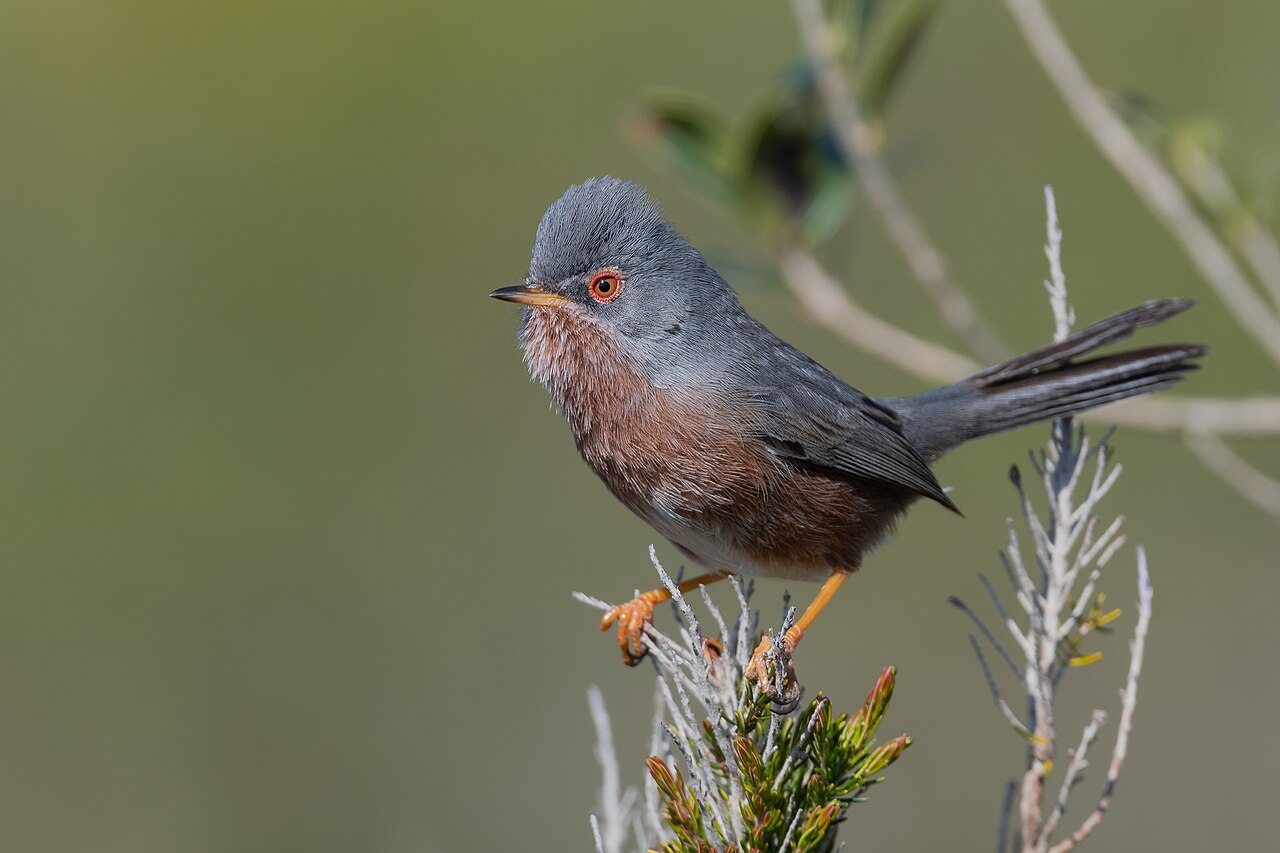
The dark-throated seedeater is a bird species in the family Thraupidae. It is found in Argentina, Bolivia, Brazil, Paraguay, and Uruguay.
Region
Southern South America
Typical Environment
Found in Argentina, Bolivia, Brazil, Paraguay, and Uruguay, especially in riverine floodplains and lowland wetlands. It favors seasonally inundated grasslands, marshes with tall grasses (often Paspalum and Panicum), and wet savanna edges. The species also uses rice fields and pastures with remnant wet grass patches. It tends to breed in the southern part of its range and shift northward in the non-breeding season following grass seed availability.
Altitude Range
0–800 m
Climate Zone
Subtropical
Ease of Keeping
Beginner friendly: 2/5
A small capuchino seedeater of southern South America, the dark-throated seedeater frequents seasonally flooded grasslands and marsh edges. Males show a distinctive dark rufous to blackish throat that contrasts with a gray head, while females are plain buff-brown and easily confused with other Sporophila. It moves seasonally to track seeding grasses and is affected by trapping and loss of wet grasslands. Protecting wetlands and allowing natural flooding cycles benefit this species.


Temperament
wary and active
Flight Pattern
short rapid wingbeats with undulating flight
Social Behavior
Outside the breeding season it often forms small flocks, sometimes mixing with other Sporophila. During breeding, males sing from exposed perches and defend small territories in wet grasslands. Nests are cup-shaped and placed low in dense grasses; both parents attend the young.
Migratory Pattern
Seasonal migrant
Song Description
The male’s song is a varied series of thin whistles, buzzy trills, and sweet notes delivered from a prominent perch. Call notes are sharp, metallic chips used to keep contact within flocks.
Plumage
Male with gray crown and nape, dark rufous to blackish throat and upper breast, warm brown back, and cinnamon underparts; small pale wing speculum. Female is plain buff-brown with paler underparts and lacks the dark throat. Both sexes have a short, thick, conical bill typical of seedeaters.
Diet
Primarily consumes grass seeds, including Paspalum and other wetland grasses, which it plucks directly from seed heads. It also takes small seeds from the ground and stems. During the breeding season it supplements its diet with small insects and other arthropods for protein.
Preferred Environment
Feeds along marsh edges, seasonally flooded meadows, and wet pastures with tall grasses. It also forages in agricultural margins such as rice fields where seeding grasses are abundant.