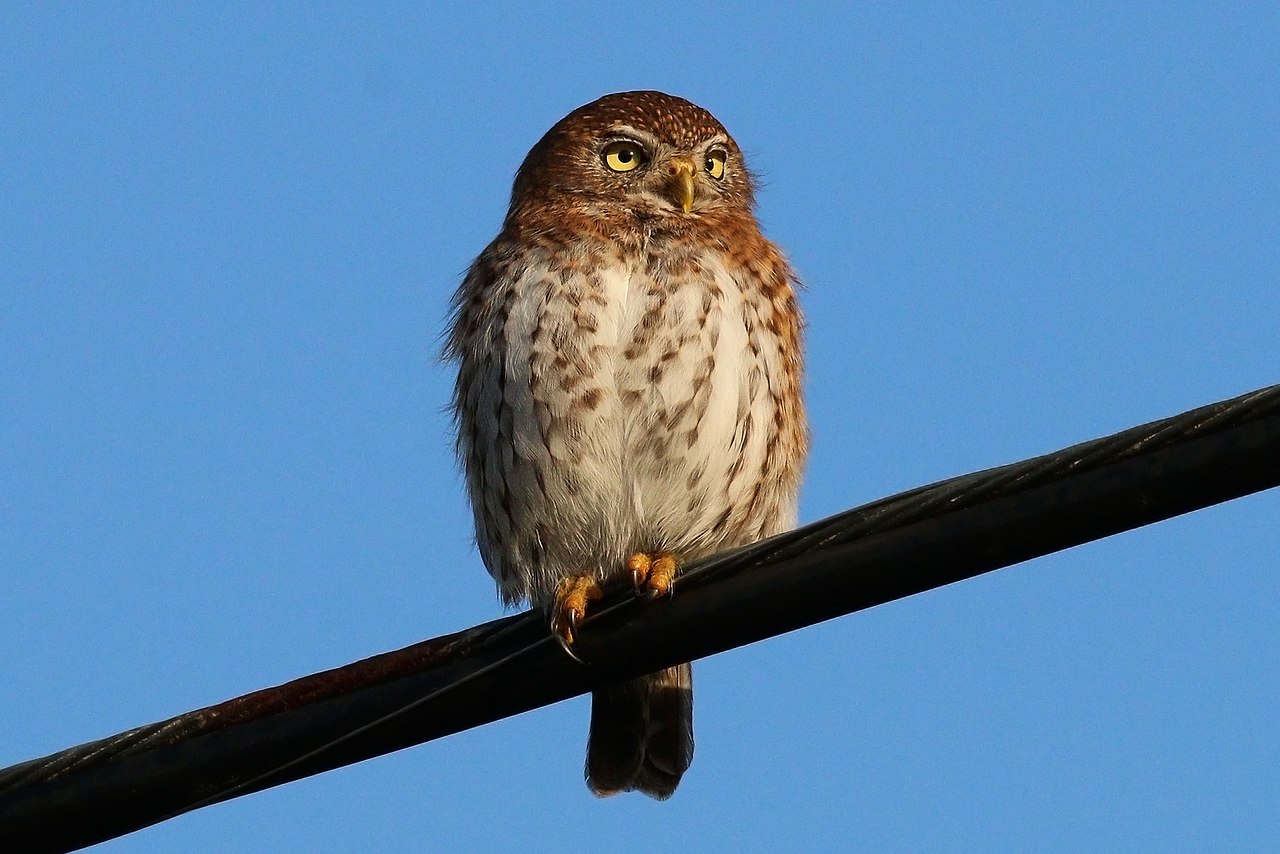
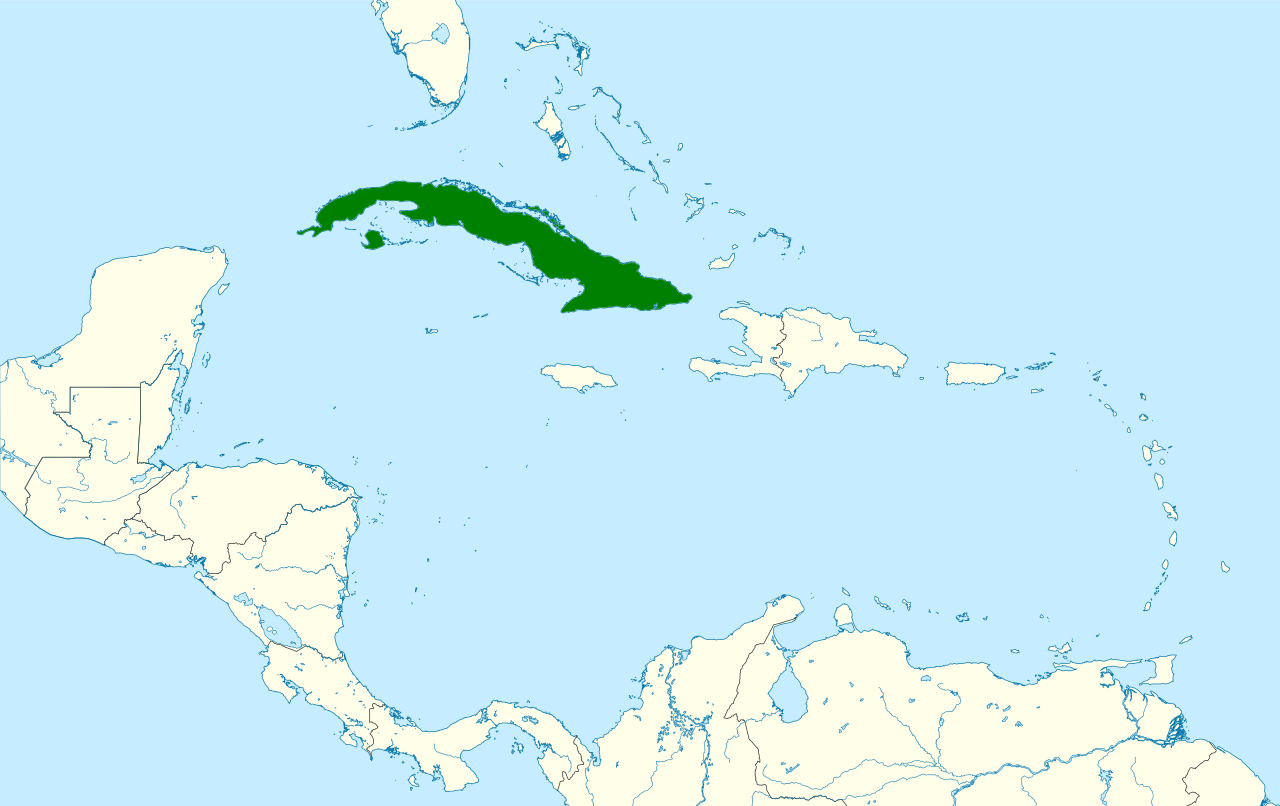
The Cuban nightjar, sometimes also Greater Antillean nightjar, is a species of nightjar in the family Caprimulgidae. It is endemic to Cuba.
Region
Greater Antilles
Typical Environment
Endemic to Cuba, occurring on the main island and Isla de la Juventud. It inhabits dry forests, pine woodlands, coastal scrub, and forest edges, often where understory is open with scattered clearings. The species also uses mangrove fringes and semi-open farmland with hedgerows. It favors areas with ample aerial insect activity and perches for sallying.
Altitude Range
Sea level to 1200 m
Climate Zone
Tropical
Ease of Keeping
Beginner friendly: 1/5
This nocturnal insect-eater is superbly camouflaged, spending daylight hours motionless on leaf litter or low branches. Males perform wing-clap displays and show white patches in the wings and tail during courtship flights at dusk. It nests directly on the ground with minimal structure, relying on camouflage to protect eggs and chicks.


Temperament
solitary and secretive
Flight Pattern
buoyant, with short rapid wingbeats and brief glides
Social Behavior
Usually seen alone or in pairs, most active at dusk and night. Nests are a simple scrape on the ground in leaf litter, typically with two eggs. Adults rely on cryptic plumage and distraction displays to protect the nest.
Migratory Pattern
Resident
Song Description
A repetitive, churring trill interspersed with clear whistles at dusk and dawn. Soft contact notes and wing claps are used in territorial and courtship displays.
Plumage
Mottled brown, gray, and buff with fine streaking and barring that blends with leaf litter.
Diet
Feeds primarily on flying insects such as moths, beetles, termites, and mosquitoes. It hunts by sallying from low perches or the ground, catching prey on the wing with its wide gape. It may also glean insects from the ground or low foliage when opportunities arise.
Preferred Environment
Forages along forest edges, clearings, roadsides, and near water where insect densities are high. It sometimes hunts around artificial lights that attract nocturnal insects.