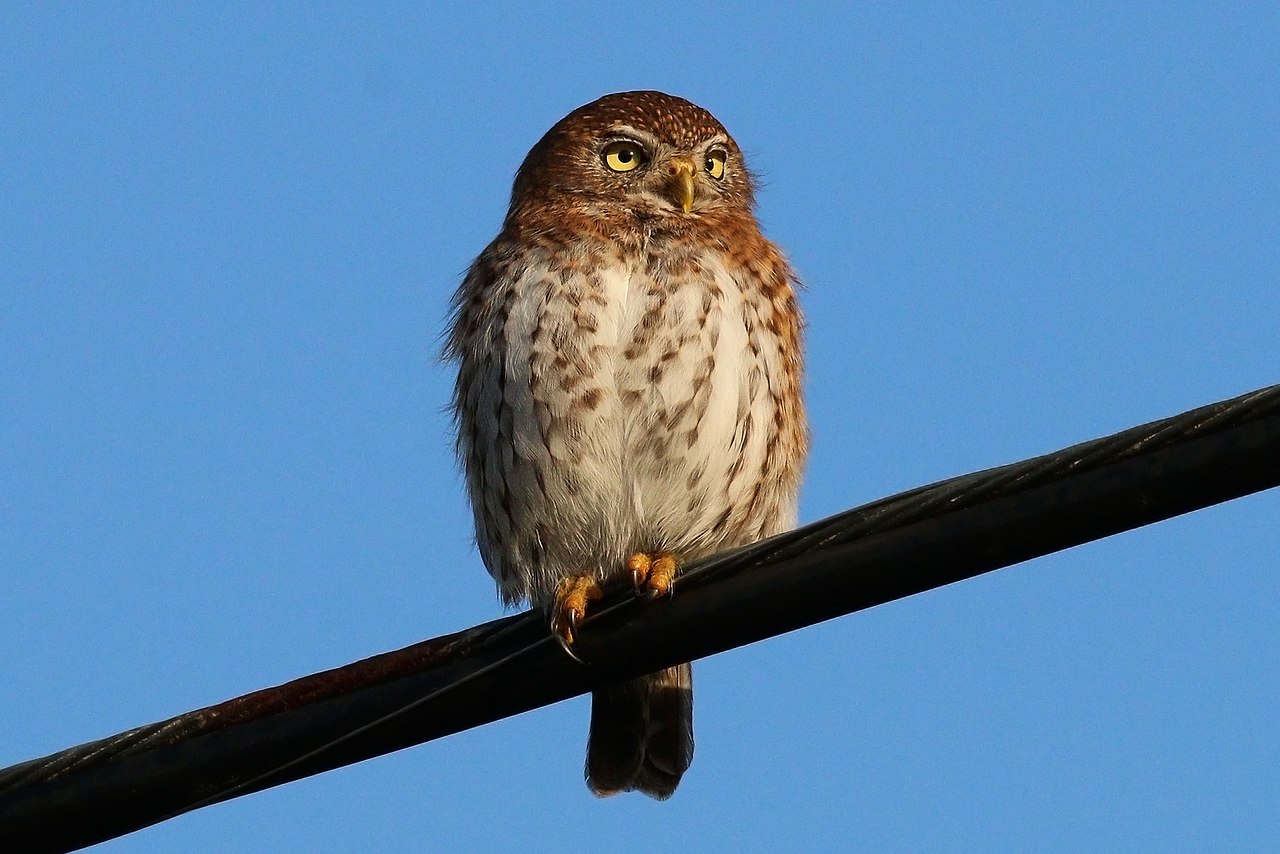
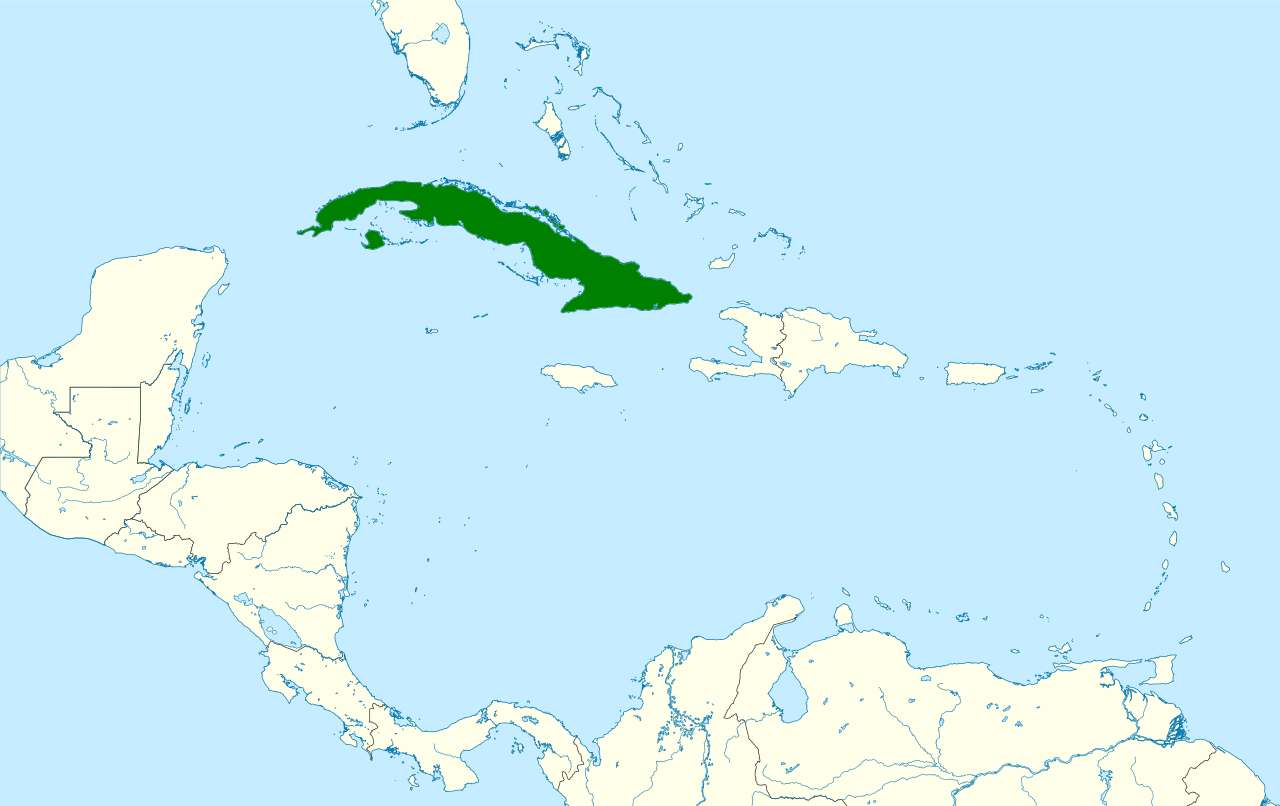
The Cuban oriole is a species of songbird in the family Icteridae. It is endemic to Cuba.
Region
Caribbean (Cuba)
Typical Environment
Occurs across the main island of Cuba and adjacent islets, including mangroves, palm groves, forest edges, and semi-open woodlands. It adapts well to human-altered habitats such as plantations, gardens, and parks with scattered trees. Nests are frequently placed in palms, especially where fronds offer secure anchor points. The species forages from understory to canopy but is most often seen at mid to upper levels.
Altitude Range
Sea level to 1200 m
Climate Zone
Tropical
Ease of Keeping
Beginner friendly: 2/5
The Cuban oriole is a glossy black-and-yellow icterid found only in Cuba and nearby islands. It often weaves a hanging, basket-like nest from palm fibers, suspending it from fronds to deter predators. By feeding on insects, fruit, and nectar, it helps control pests and may aid in pollination of native flowering trees.


Adult bird in Cayo Coco

Adult bird showing yellow patches
Temperament
alert and wary
Flight Pattern
short rapid wingbeats with undulating bouts
Social Behavior
Typically seen in pairs or small family groups, becoming more territorial during the breeding season. It weaves deep, hanging nests from plant fibers, often suspended from palm fronds. Outside breeding, it may join loose mixed-species flocks while foraging.
Migratory Pattern
Resident
Song Description
A series of clear, fluty whistles interspersed with chatters and rasping notes. Calls include a sharp chack and scolding sequences when alarmed.
Plumage
Mostly glossy black with bright yellow epaulets on the shoulders and yellow on the rump and undertail coverts; juveniles are duller with browner tones and more extensive yellow.
Diet
Eats a mix of insects and other arthropods, gleaned from foliage, flowers, and bark. Also consumes ripe and semi-ripe fruits such as figs and guava. Frequently takes nectar from flowering trees, sometimes probing deep tubular blooms.
Preferred Environment
Forages in forest edges, mangroves, and palm-rich habitats, as well as gardens and agricultural areas. Often searches for food in the mid-canopy to canopy, visiting flowering trees and fruiting shrubs.