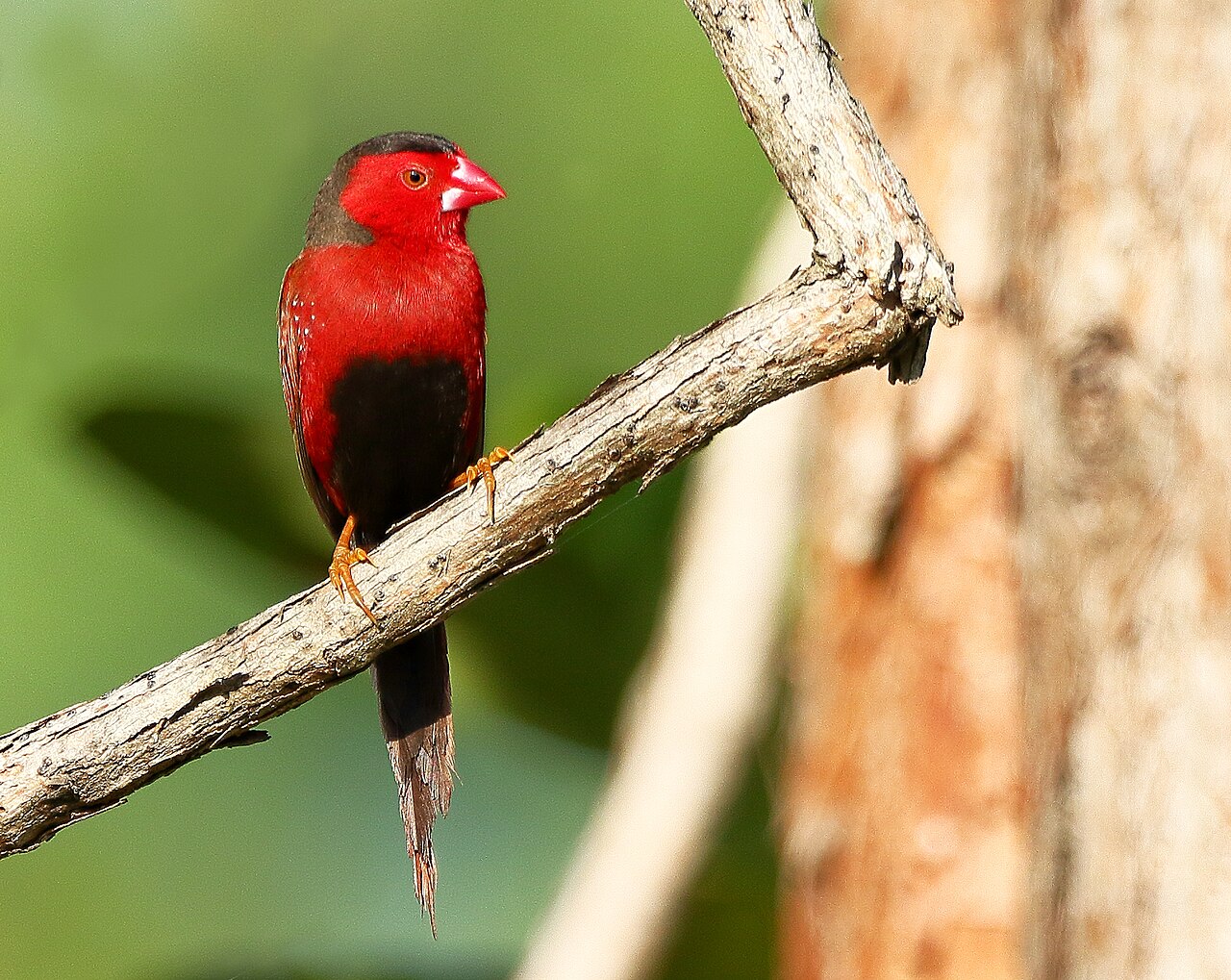
Cretzschmar's bunting is a passerine bird in the bunting family Emberizidae, a group now separated by most modern authors from the finches, Fringillidae.
Region
Eastern Mediterranean and Near East
Typical Environment
Breeds on dry, rocky slopes, phrygana and maquis scrub, open woodland edges, terraced hillsides, and stony island habitats across Greece, western Turkey, and nearby regions. It also occurs on several Aegean and eastern Mediterranean islands and locally in coastal and inland scrub. During migration it uses coastal scrublands, fallow fields, and rocky valleys. In winter it is found in arid to semi-arid savanna and acacia scrub in northeast Africa.
Altitude Range
Sea level to 2000 m
Climate Zone
Subtropical
Ease of Keeping
Beginner friendly: 1/5
Cretzschmar's bunting is a passerine in the bunting family Emberizidae, named after German naturalist Philipp Jakob Cretzschmar. Males show a distinctive bluish-grey head with warm rufous underparts, helping separate it from the similar Ortolan bunting. It breeds mainly around the eastern Mediterranean and migrates to northeast Africa for the winter. The species favors rocky, shrub-dotted slopes and dry islands where it sings from exposed perches.


Emberiza caesia - MHNT
Temperament
wary and somewhat skulking, but sings conspicuously from perches
Flight Pattern
short rapid wingbeats with slightly undulating flight
Social Behavior
Typically seen singly or in pairs during the breeding season, with males singing from rocks, shrubs, or low trees. Nests are placed low in dense shrubs or on the ground among stones and vegetation. Outside the breeding season it forms small loose flocks and may mix with other buntings.
Migratory Pattern
Seasonal migrant
Song Description
A brisk series of clear, rattling notes and short metallic phrases, delivered from an exposed perch. Calls include sharp ticks and soft chips, especially in flight or when alarmed.
Plumage
Male with bluish-grey head and upper breast, warm rufous underparts and flanks, and brown upperparts with fine streaking and pale wingbars; female/immature duller with browner head and less contrast. Overall appearance is clean-faced with subtle streaking.
Diet
Primarily seeds and small grains taken from the ground, supplemented by insects and other invertebrates, especially during the breeding season. Insects provide protein for nestlings and may include beetles, caterpillars, and grasshoppers. It occasionally takes small berries and fresh plant shoots when available.
Preferred Environment
Feeds on open, stony ground, sparsely vegetated slopes, and field margins with scattered shrubs. Often forages along paths, terraces, and among rocks and low scrub.