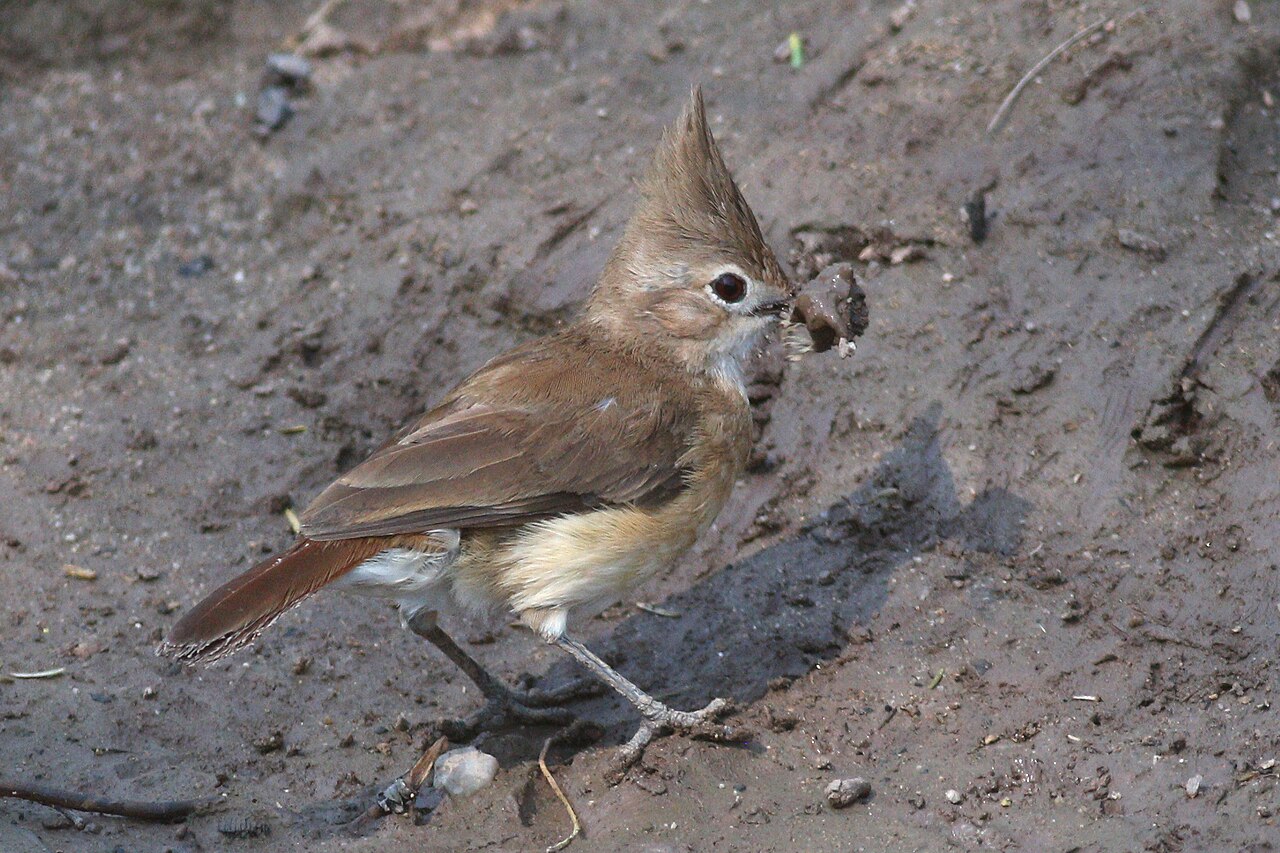
The crested guan is a Near Threatened species in an ancient group of birds of the family Cracidae, which are related to the Australasian megapodes or mound builders (Megapodiidae). It is found from central Mexico through Central America and in Colombia, Ecuador, Peru, and Venezuela.
Region
Mesoamerica and northern South America
Typical Environment
Occurs from eastern and southern Mexico through Central America into Colombia, Venezuela, Ecuador, and northern Peru. Inhabits humid and semi-humid evergreen forest, tall secondary growth, and forest edge, and will use shaded agroforestry such as cacao and coffee. Often occupies the mid- to upper canopy but also forages at fruiting trees along rivers and clearings. Roosts high in trees and may tolerate some disturbance if hunting pressure is low.
Altitude Range
Sea level to 1800 m
Climate Zone
Tropical
Ease of Keeping
Beginner friendly: 2/5
Crested guans are large, turkey-like cracids that play a key role as seed dispersers in Neotropical forests. They are often detected by loud wing-drumming displays and raucous calls at dawn and dusk. Sensitive to hunting and forest loss, they persist best in sizable, connected tracts of habitat and in protected areas.


Temperament
wary but social
Flight Pattern
short rapid wingbeats followed by glides
Social Behavior
Typically seen in pairs, family groups, or small parties moving through the canopy. Monogamous pairs nest in trees, building a platform of sticks and leaves. They roost communally high above ground and use alarm calls to warn group members of predators.
Migratory Pattern
Resident
Song Description
Vocalizations include loud honks, cackles, and hooting sequences that carry far through the forest. Males perform dramatic wing-drumming displays that sound like a rapid whooshing burst just before dawn.
Plumage
Dark brown to blackish with fine whitish scaling on the neck and upper breast; overall sleek, glossy appearance with a shaggy, bushy crest.
Diet
Primarily frugivorous, consuming a wide variety of fleshy fruits and berries; also takes seeds, tender leaves, and flowers. Occasionally ingests small invertebrates incidentally while foraging. Plays an important role in seed dispersal by passing intact seeds through the gut.
Preferred Environment
Forages mainly in the mid- to upper canopy at fruiting trees, but will come to edges, riverbanks, and secondary growth. In mosaic landscapes it may feed in shaded plantations adjacent to forest.