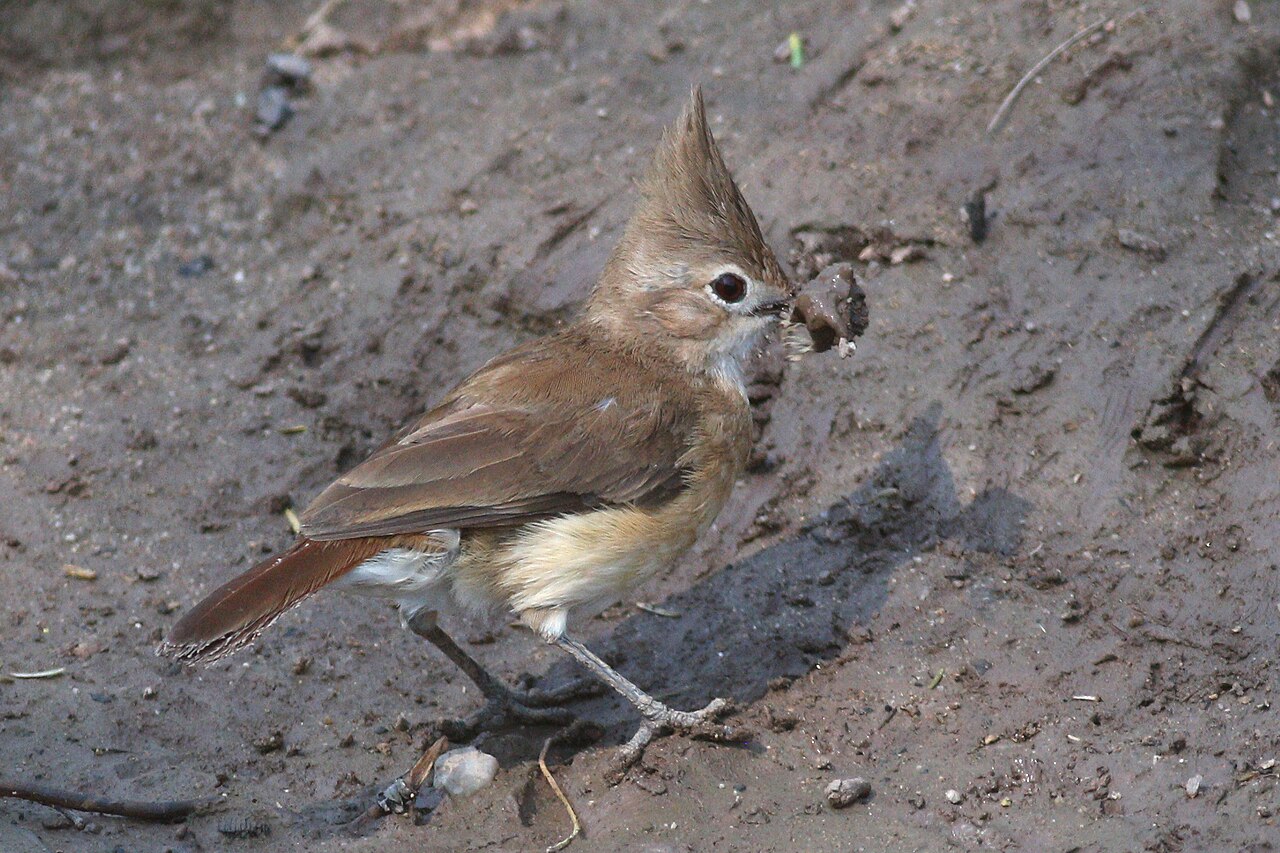
The crested heleia, also known as the crested ibon or crested white-eye, is a species of bird in the white-eye family Zosteropidae. It is endemic to the Lesser Sunda Islands.
Region
Lesser Sunda Islands (Wallacea)
Typical Environment
Occurs on several islands of the Lesser Sundas, where it occupies lowland and foothill forests, forest edges, and secondary growth. It also ventures into scrubby clearings and wooded gardens near villages. The species forages from understory to mid-canopy, frequently moving through vine tangles and flowering shrubs. Its presence in both primary and degraded habitats suggests a degree of ecological flexibility.
Altitude Range
0–1600 m
Climate Zone
Tropical
Ease of Keeping
Beginner friendly: 1/5
The crested heleia, or crested white-eye, is a small white-eye distinguished by a tiny erectile crest and lively flocking behavior. It often joins mixed-species foraging parties in forest edges and secondary growth. Its adaptability to both primary and disturbed habitats helps keep populations stable across parts of the Lesser Sundas.

Temperament
social and active
Flight Pattern
short rapid wingbeats
Social Behavior
Typically travels in small, chattering groups and frequently joins mixed-species flocks. Nests are cup-shaped and placed in shrubs or small trees. Pairs defend a small area around the nest but remain loosely associated with neighboring birds.
Migratory Pattern
Resident
Song Description
A series of thin, high-pitched twitters and trills delivered in short bouts. Contact calls are sharp, sibilant notes used to keep flocks together.
Plumage
Olive-green upperparts with paler, grayish to yellow-washed underparts and a small, pointed crest on the crown. The throat is yellowish and the belly paler; wing and tail are dusky edged olive. A faint, partial white eye-ring may be present, though less bold than in many white-eyes.
Diet
Takes small insects and other arthropods gleaned from leaves and twigs. Also consumes soft fruits and berries, and will sip nectar from flowers when available. Foraging is quick and acrobatic, often hanging to probe clusters and leaf undersides. Mixed-species flocks help the birds exploit patchy food resources efficiently.
Preferred Environment
Feeds along forest edges, secondary woodland, gardens with flowering shrubs, and semi-open scrub. Often works midstory foliage but will move from understory to canopy depending on food availability.