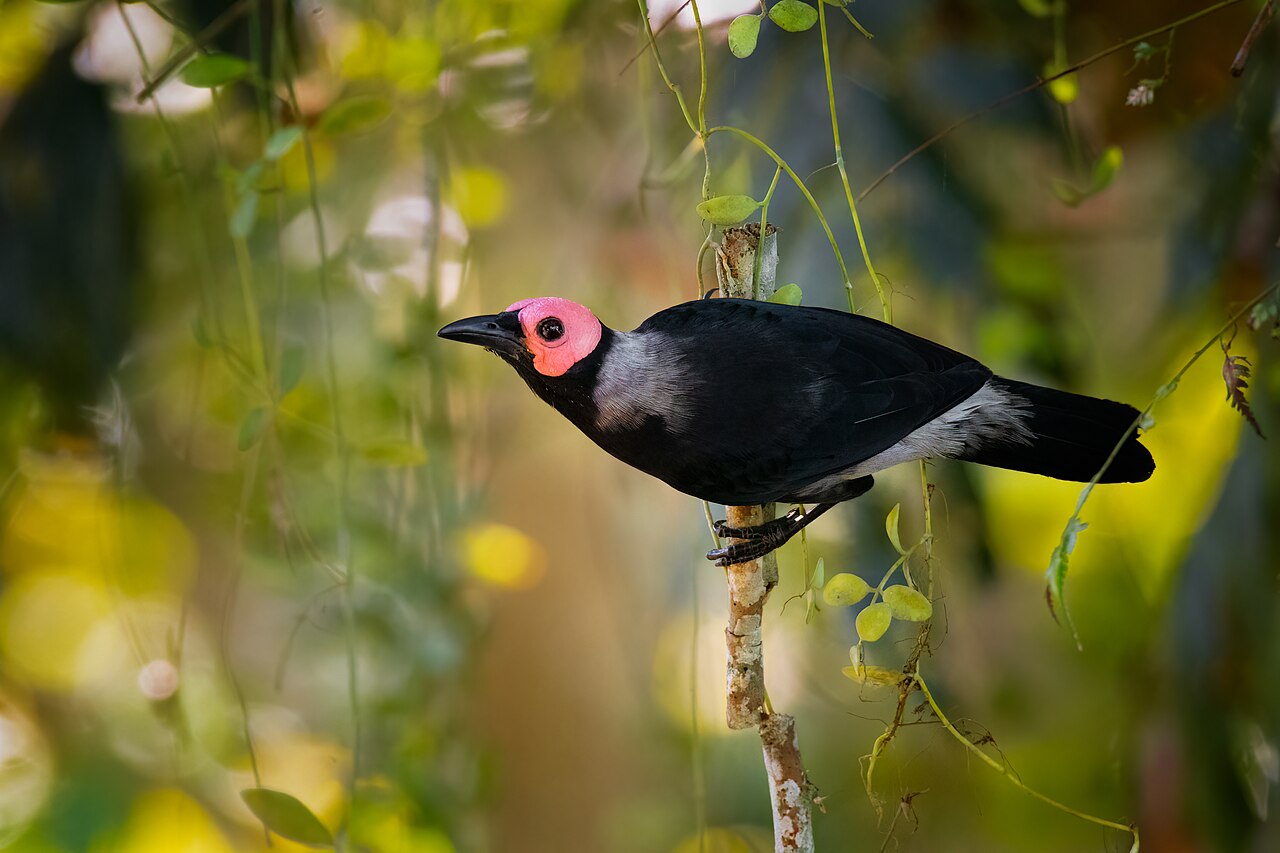
The Cocos cuckoo is a Vulnerable species of bird in the tribe Phaenicophaeini, subfamily Cuculinae of the cuckoo family Cuculidae. It is endemic to Cocos Island, an island in the Pacific Ocean which is part of Costa Rica.
Region
Tropical Eastern Pacific (Cocos Island)
Typical Environment
Occurs only on forested Cocos Island, using primary evergreen rainforest, edges, and dense second growth. It forages from the lower understory to the canopy but is most often encountered at mid-levels along forest trails and stream corridors. The species tolerates some disturbance yet remains closely tied to humid forest structure. Because the island is small and isolated, the bird’s range is extremely restricted and fragmented by topography rather than land use.
Altitude Range
Sea level to 575 m
Climate Zone
Tropical
Ease of Keeping
Beginner friendly: 1/5
The Cocos cuckoo is one of only a handful of landbirds native to remote Cocos Island, far off Costa Rica’s Pacific coast. Unlike many Old World cuckoos, it is not a brood parasite and builds its own nest. It spends long periods motionless in the midstory, making it easier to hear than to see. Conservation on the island is crucial because the entire global population is confined to this single, small landmass.


Temperament
solitary and secretive
Flight Pattern
short rapid wingbeats with brief glides
Social Behavior
Usually seen alone or in pairs, moving quietly through midstory foliage. Builds a simple twig nest in shrubs or small trees and lays a small clutch. Both parents are believed to share incubation and chick-rearing duties. It is non-parasitic and defends a breeding territory during the nesting season.
Migratory Pattern
Resident
Song Description
Gives a series of hollow, cooing cuckoo-like notes and soft clucks that accelerate slightly and then taper off. Calls carry through humid forest, especially at dawn and dusk. Alarm notes are sharper and more abrupt.
Plumage
Rufous-brown upperparts with warmer chestnut tones on the wings and a paler, grayish to buff underbody. Long, graduated tail showing contrasting white tips when spread. Plumage appears smooth and unpatterned except for the tail corners, with a slightly paler throat.
Diet
Primarily hunts large insects such as caterpillars, katydids, grasshoppers, beetles, and spiders. It methodically searches foliage and branches, making short sallies to snatch prey. Occasionally takes small lizards or berries when insects are scarce. Prey is often beaten against a perch to subdue and remove spines or hairs.
Preferred Environment
Feeds within dense rainforest vegetation, particularly along forest edges and near streams where insect activity is high. Most foraging occurs at mid-heights but it will descend to the understory when following prey. It may sometimes join mixed-species flocks or take advantage of flushing caused by other birds.