
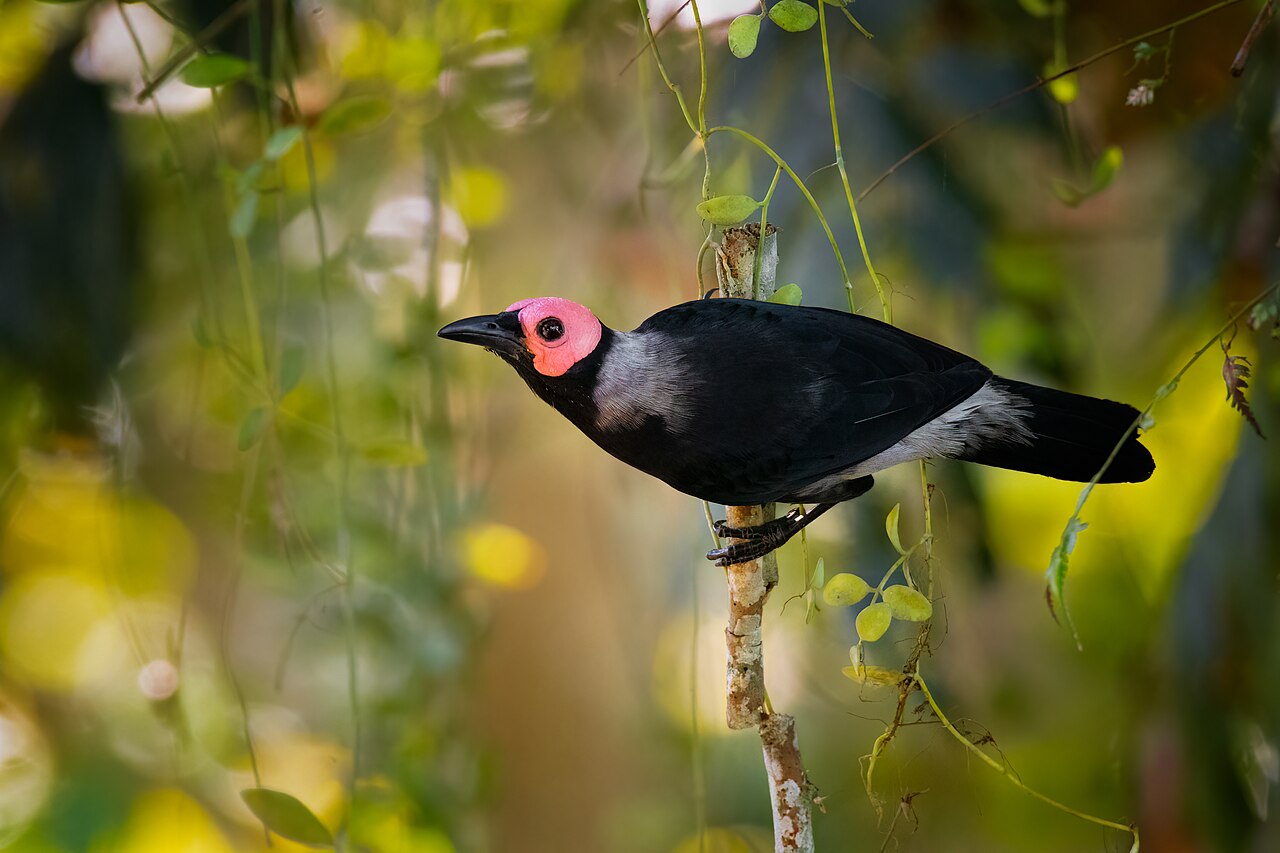
The coleto is a starling species in the monotypic genus Sarcops. It is endemic to the Philippines. Its natural habitats are tropical dry forest, tropical moist lowland forest, and tropical moist montane forest. In Filipino and Tagalog, this bird is known as kuling or koleto, while in Central Visayas, it is commonly known as the sal-ing.
Region
Philippine Archipelago
Typical Environment
Occurs in tropical dry and moist lowland forests, as well as moist montane forest, and commonly uses forest edges, secondary growth, and plantations. It frequents fruiting trees in mixed forest–agricultural mosaics and can be seen near villages where large trees persist. It ranges on multiple islands including Luzon, the Visayas, and Mindanao. The species tolerates moderate habitat disturbance so long as fruiting resources and nesting cavities remain.
Altitude Range
Sea level to 1800 m
Climate Zone
Tropical
Ease of Keeping
Beginner friendly: 2/5
The coleto is the sole member of the genus Sarcops and is notable for its bald, pinkish facial skin—reflected in the species name calvus, meaning bald. It is widespread across several Philippine islands and adapts well to forest edges and secondary growth. Coletos often nest in tree cavities and may form loose colonies around abundant food sources. Locally it is known as kuling or koleto, and in the Central Visayas as sal-ing.

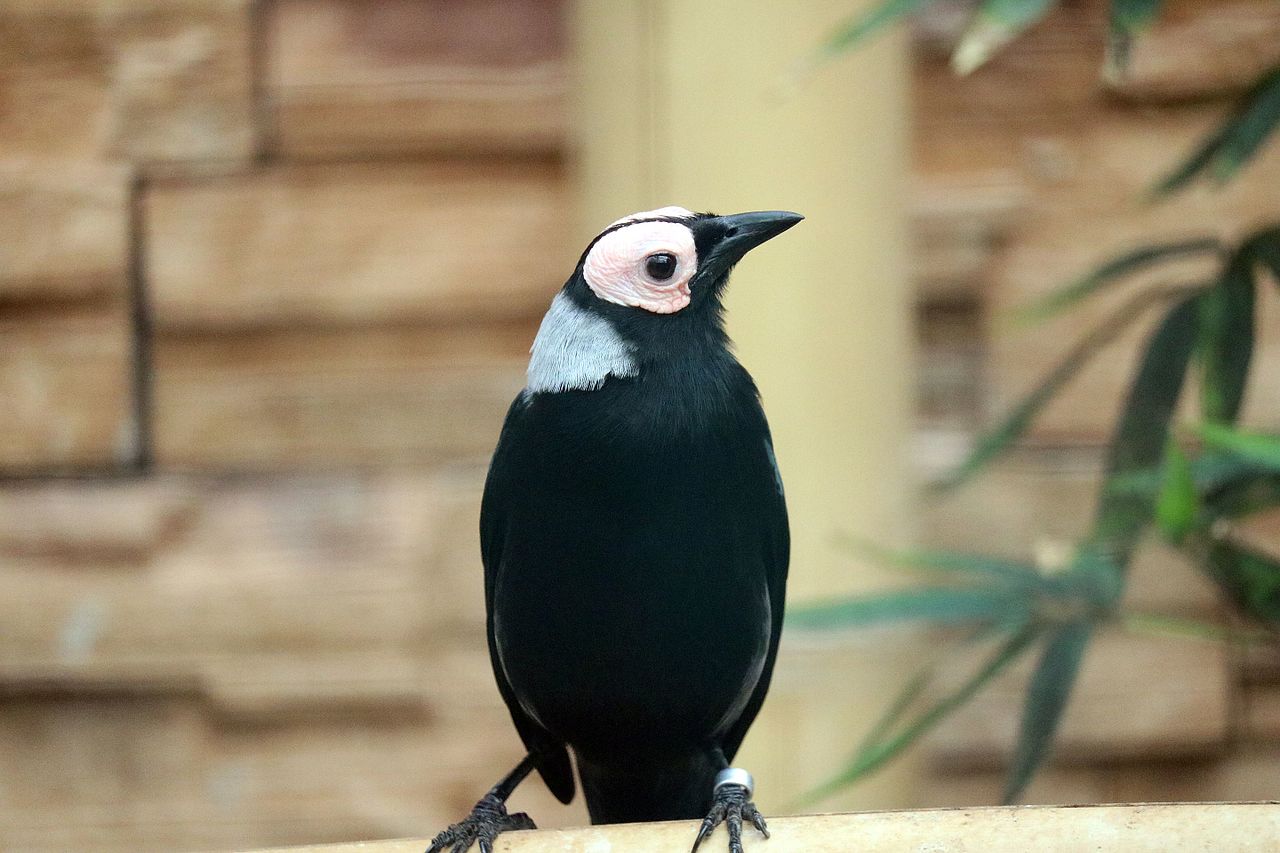
A captive coleto
Temperament
social and active
Flight Pattern
direct flight with rapid wingbeats
Social Behavior
Often travels in small, noisy groups and joins feeding flocks at fruiting trees. Nests in cavities in large trees, sometimes using old woodpecker holes; pairs may nest semi-colonially where cavities are abundant. Both parents participate in nest defense and provisioning.
Migratory Pattern
Resident
Song Description
Vocalizations are varied, including whistles, squeaks, and harsh chatters typical of starlings. Calls carry well through the canopy and are delivered frequently when in flocks or at fruiting trees.
Plumage
Mostly glossy black to sooty black plumage with a faint purplish-green sheen; head shows extensive bare, pinkish skin giving a bald appearance.
Diet
An opportunistic omnivore that takes fruits, figs, and berries, along with insects and other small invertebrates. It forages among foliage and branches, gleaning and plucking food items, and may sally briefly to snatch flying insects. It sometimes visits plantations and gardens to feed on cultivated fruits.
Preferred Environment
Forages mainly in the mid to upper canopy of forests, forest edges, and secondary growth. Also common in agroforestry areas, coconut groves, and orchards with mature fruiting trees.


