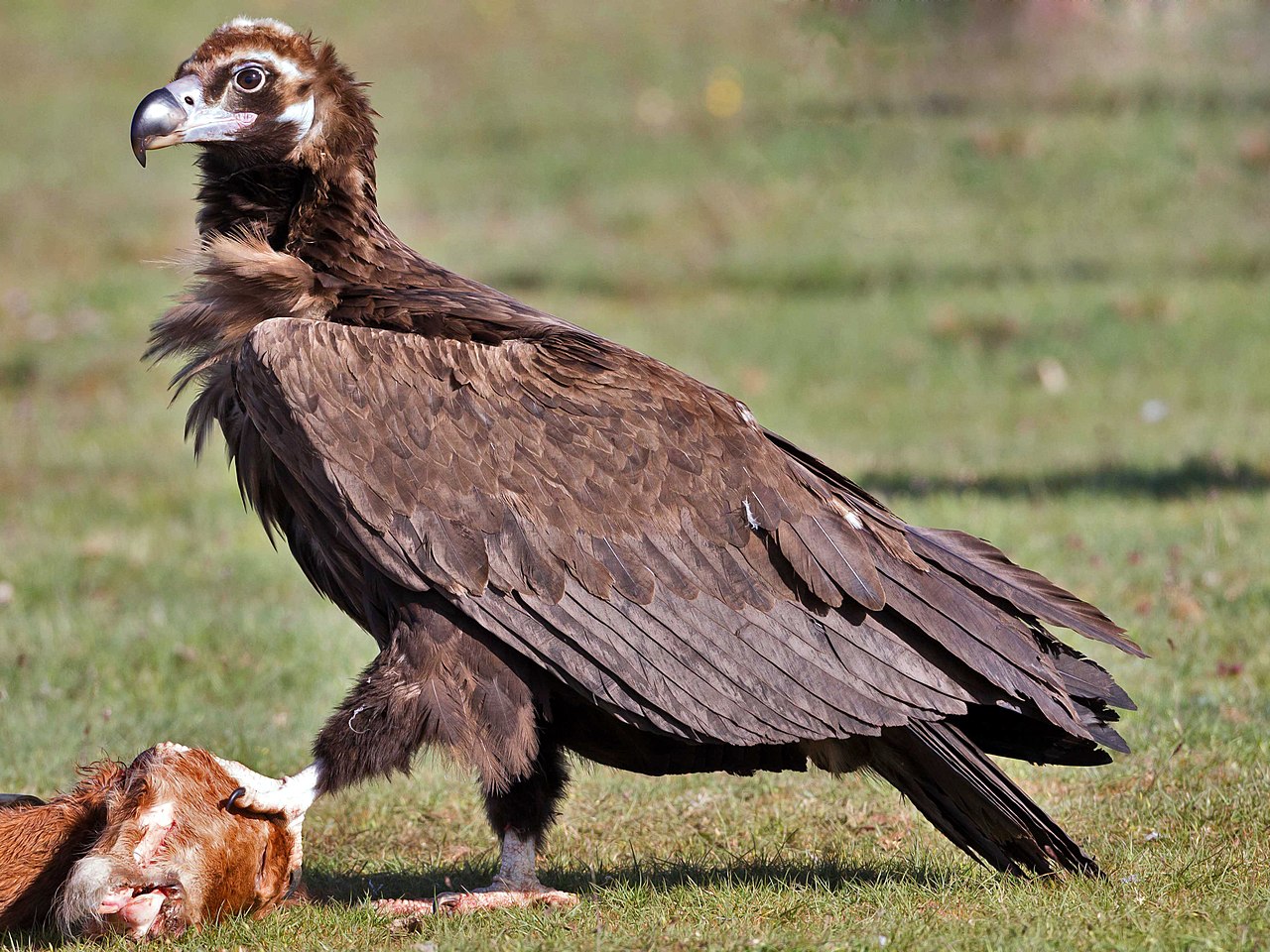
The cinereous harrier is a South American bird of prey of the harrier family. Its breeding range extends from the Tierra del Fuego through Argentina and Chile to Bolivia, Paraguay, Peru and southern Brazil; and across the Andes north to Colombia. The bird's population is declining but due to its large range is not considered vulnerable. The term cinereous, deriving from the Latin word for ashy, describes its colouration.
Region
South America
Typical Environment
Found from Tierra del Fuego through Patagonia and the Pampas, across much of Argentina and Chile, into Bolivia, Paraguay, southern Brazil, Peru, and north along the Andes to Colombia. It favors open habitats such as grasslands, steppe, puna, pampas, and marshy or reed-lined wetlands, and also hunts over agricultural fields. During the nonbreeding season some birds disperse widely and may move northward. It avoids dense forests and highly urbanized areas but uses mosaic landscapes with open cover.
Altitude Range
Sea level to 4500 m
Climate Zone
Temperate
Ease of Keeping
Beginner friendly: 1/5
The cinereous (ashy-grey) harrier is a slim, long-winged raptor that hunts by coursing low over open country. Males are pale grey with black wingtips, while females and juveniles are brown and streaked, all showing a conspicuous white rump. It nests on the ground in dense grasses or marsh vegetation and helps control rodent populations. Although widespread, it is sensitive to wetland drainage, grassland conversion, and burning.


Temperament
solitary and territorial
Flight Pattern
low, buoyant quartering with slow wingbeats and glides
Social Behavior
Pairs nest on the ground in dense grass or marsh vegetation, often near wetlands. Generally monogamous but may show polygyny where prey is abundant. Outside the breeding season, individuals may roost communally and tolerate loose associations in rich feeding areas.
Migratory Pattern
Partial migrant
Song Description
Usually quiet; vocalizes most around the nest with sharp kek-kek alarms and whistles. Display flights may include chattering calls, while contact notes are softer and infrequent away from breeding sites.
Plumage
Male is ashy-grey above and below with blackish primary tips and fine barring on underwings; female is brown with streaked underparts and a barred tail; both sexes show a clear white rump and a subtle facial disc.
Diet
Feeds mainly on small mammals such as rodents, along with small birds, eggs, reptiles, amphibians, and large insects. Hunts by coursing low over open ground, listening and watching for movement, then dropping suddenly on prey. Will occasionally scavenge and may pirate small prey from other birds.
Preferred Environment
Hunts over grasslands, steppe, pampas, puna, marsh edges, and agricultural fields with low vegetation. Frequently works along reedbeds and wet meadows where small vertebrates are abundant.