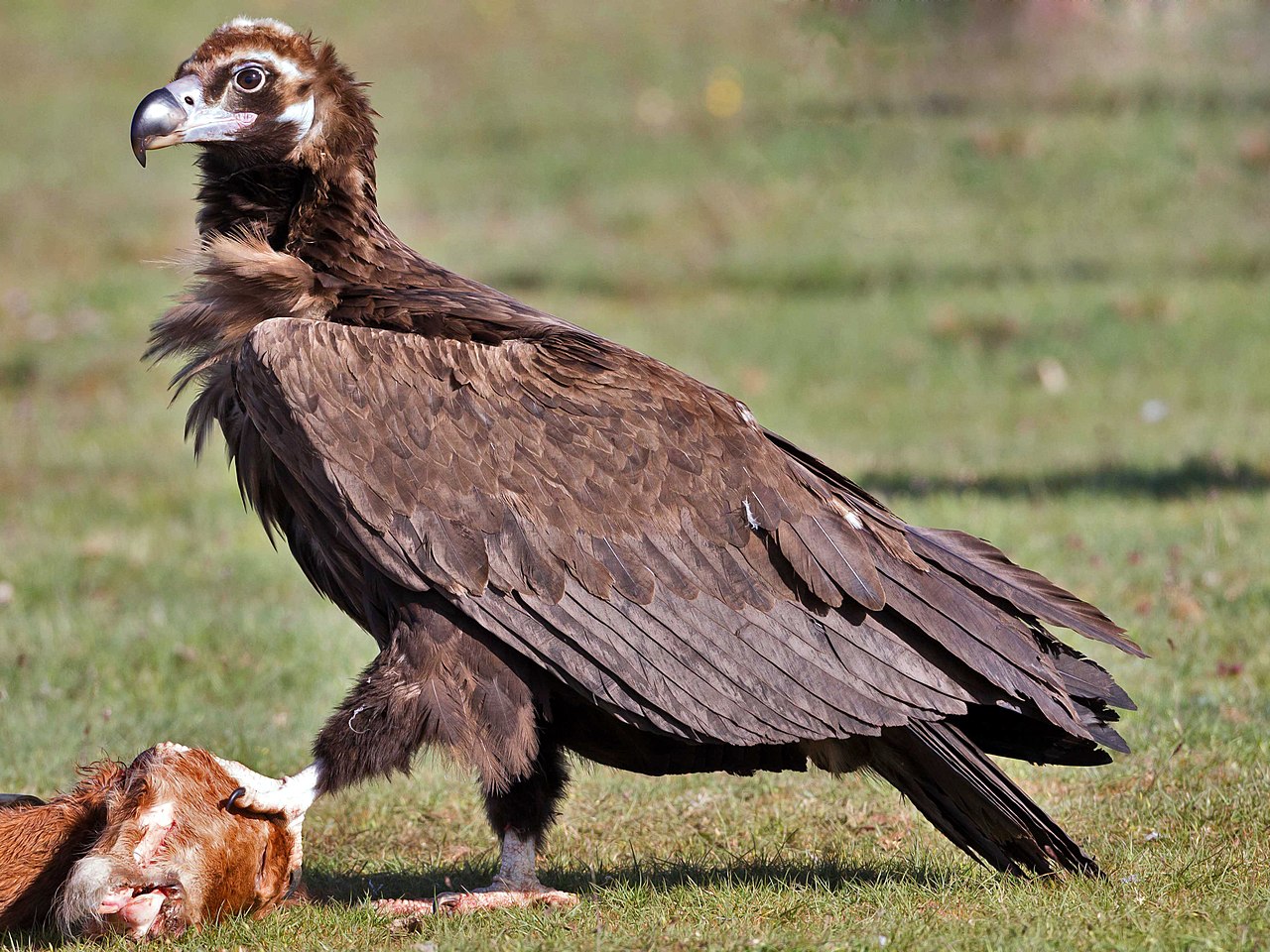
The cinereous tyrant, or cinereous black-tyrant, is a species of bird in the family Tyrannidae, the tyrant flycatchers. It is found in Argentina, Bolivia, and Paraguay, and as a vagrant to Brazil.
Region
Gran Chaco and adjacent South American lowlands
Typical Environment
Found primarily in the dry Chaco of northern Argentina, western Paraguay, and southeastern Bolivia, with occasional records in southwestern Brazil. It inhabits open dry woodland, thorn scrub, and shrub-steppe, especially in the Gran Chaco. The species favors edges, clearings, and semi-open ranchlands with scattered trees or shrubs. It avoids dense, closed-canopy forest but readily uses riparian thickets, savanna margins, and areas with scattered palms.
Altitude Range
0–1200 m
Climate Zone
Subtropical
Ease of Keeping
Beginner friendly: 2/5
The cinereous tyrant (also called cinereous black-tyrant) is a small flycatcher of the Gran Chaco and nearby dry lowlands. Males are notably slate-grey rather than jet black, helping distinguish them from other black-tyrants. It often hunts from exposed perches such as fenceposts, making short sallies to snatch flying insects. It tolerates lightly disturbed ranchland and shrub-steppe, which helps keep its population stable.


Temperament
alert and territorial
Flight Pattern
short rapid wingbeats with quick sallies from exposed perches
Social Behavior
Usually seen singly or in pairs, maintaining small breeding territories. Nests are shallow cups placed low in shrubs or small trees. Breeding occurs in the austral spring–summer, with both adults involved in territory defense and care.
Migratory Pattern
Resident
Song Description
Calls include sharp, dry chips and chatters. The song is a brief, sputtering series of thin notes delivered from a prominent perch, most commonly at dawn.
Plumage
Male largely uniform slate-grey to sooty with subtle pale edging on wing coverts; female duller, more brownish-grey with slightly paler underparts.
Diet
Primarily captures flying insects such as beetles, flies, grasshoppers, and termites by sallying from perches. It also gleans arthropods from foliage and occasionally drops to the ground for prey. Seasonal abundance of insect swarms in the Chaco can concentrate feeding activity around edges and watercourses.
Preferred Environment
Hunts along woodland edges, open scrub, fencerows, and pasture margins. Often uses exposed perches like dead branches, wires, and posts that offer clear launch points and good visibility.