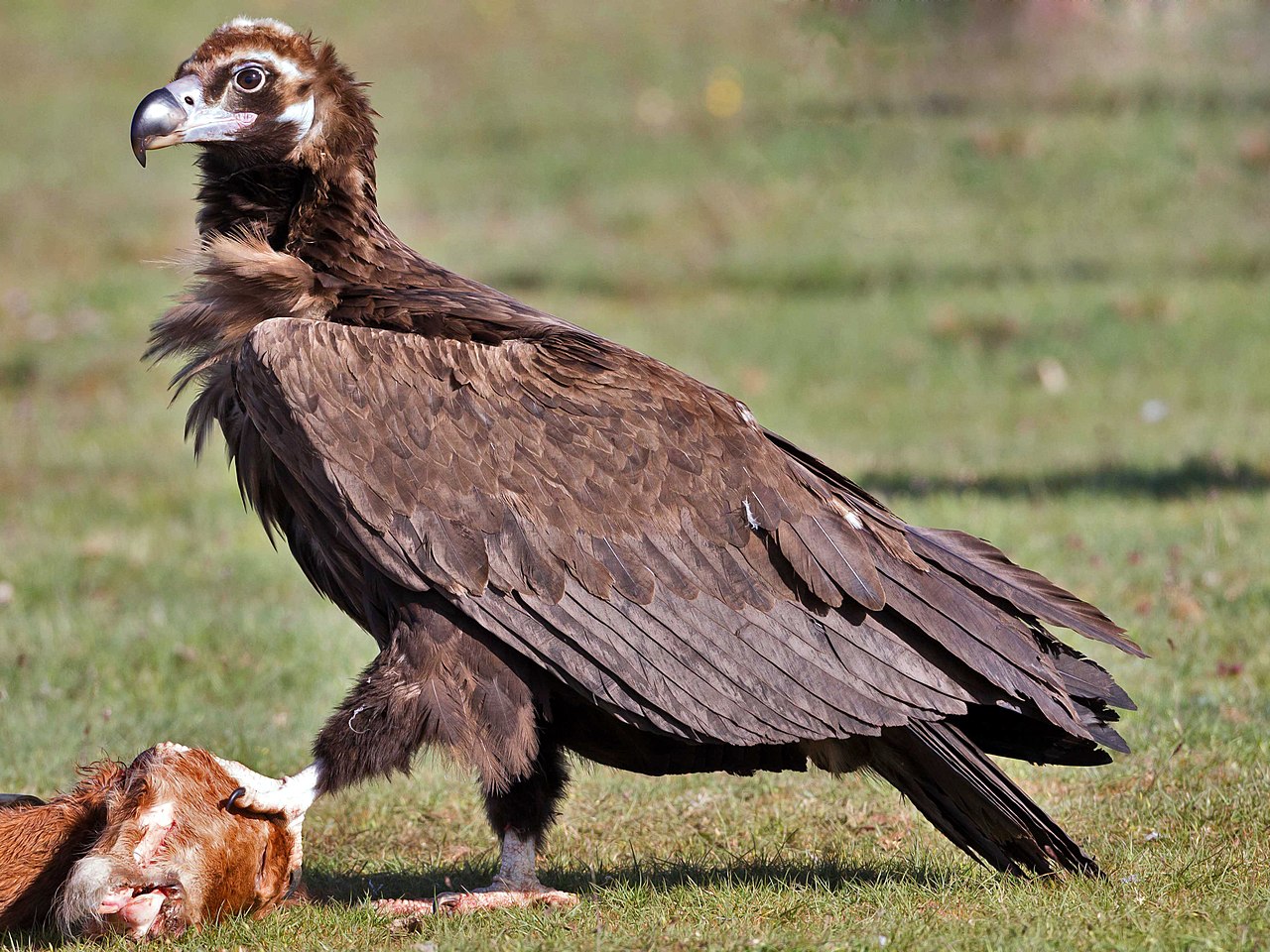
The cinereous mourner is a species of bird in the family Tityridae, the tityras, becards, and allies. It is found in every mainland South American country except Argentina, Chile, Paraguay, and Uruguay.
Region
Amazon Basin and Guianan Shield
Typical Environment
Occurs throughout lowland humid evergreen and seasonally flooded forests across Brazil, Peru, Ecuador, Colombia, Venezuela, Bolivia, Guyana, Suriname, and French Guiana. It favors terra firme forest but also uses riverine and várzea edges, selectively logged forest, and tall secondary growth. Most often found in the shaded understory to midstory near clearings or along streams. It is generally uncommon to fairly common where suitable forest remains.
Altitude Range
0–800 m
Climate Zone
Tropical
Ease of Keeping
Beginner friendly: 1/5
A member of the Tityridae, the cinereous mourner is widespread across the Amazon and Guianan lowlands. Its nestlings are famous for mimicking toxic hairy caterpillars, with specialized down and movements that deter predators. Adults are quiet, often sitting motionless in the forest understory and sallying to catch insects.


Temperament
quiet and unobtrusive
Flight Pattern
short rapid wingbeats with brief sallies between perches
Social Behavior
Usually solitary or in pairs, keeping to the shaded understory. Nests are placed low to mid-level; the species typically raises a single chick. Nestlings exhibit remarkable Batesian mimicry, resembling a toxic, hairy caterpillar and swaying their bodies when disturbed to enhance the illusion.
Migratory Pattern
Resident
Song Description
Gives soft, mournful whistles and clear, plaintive notes delivered at long intervals. Vocalizations are low-key and easily overlooked in dense forest.
Plumage
Smooth, mostly plain ash-gray upperparts with contrasting rich rufous to cinnamon underparts; plumage appears soft and uniform without heavy streaking.
Diet
Primarily feeds on insects and other small arthropods, gleaned from leaves and twigs or taken in short sallies. It occasionally snatches prey from the air and may take small fruits opportunistically. Foraging is methodical, with long pauses between movements.
Preferred Environment
Most often forages in the understory and lower midstory of humid lowland forest, especially along edges, gaps, and near streams where insect activity is high. Also uses semi-open interior forest and tall secondary growth.