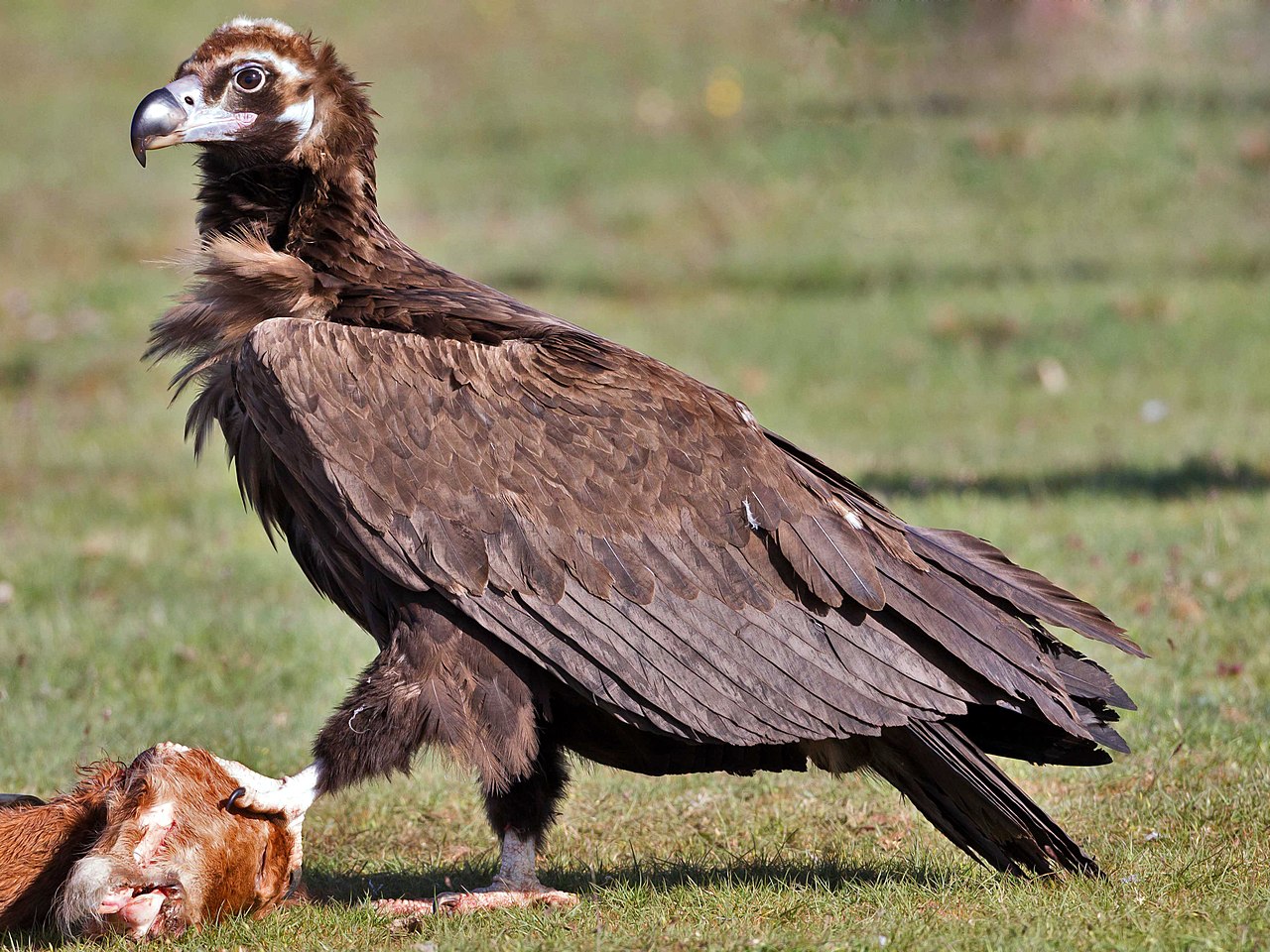
The cinereous tinamou, also known as brushland tinamou, is a type of ground bird found in swamp and lowland forests in northern South America. They have some localized names that have been used by the indigenous people such as in Amazonas where they are called inambu-pixuna, and in Pará, Brazil where they are called nambu-sujo. Also, throughout their range they are called inhambu-preto. Cinereous tinamous have been around for many centuries. They are part of the oldest families of the world today and have fossils discovered dating back tens of millions of years. Their quick reflexes play a role in their ability to survive.
Region
Amazon Basin and Guianas
Typical Environment
Occurs widely across northern South America, including Brazil, eastern Colombia, southern Venezuela, Ecuador, Peru, the Guianas, and adjacent Bolivia. Favors lowland terra firme and seasonally flooded várzea and igapó forests, as well as palm-dominated stands and second-growth thickets. Typically keeps to dense understory and forest edges where cover is abundant. Often found near watercourses and in swampy woodlands where fruit fall is frequent.
Altitude Range
Sea level to 900 m
Climate Zone
Tropical
Ease of Keeping
Beginner friendly: 1/5
The cinereous tinamou is a shy ground-dwelling paleognath related to ratites, but unlike ostriches and emus it can fly short distances. Males alone incubate and rear the chicks, often from a clutch laid by multiple females. Its mellow, far-carrying whistles are most often heard at dawn and dusk, and it plays an important role in forest seed dispersal.


Temperament
shy and secretive
Flight Pattern
explosive flush with short rapid wingbeats, then a brief glide; prefers running to flying
Social Behavior
Usually solitary or in pairs, remaining close to cover. Nests on the ground in leaf litter. The male incubates the eggs and cares for highly precocial chicks, often from a clutch contributed by multiple females.
Migratory Pattern
Resident
Song Description
Gives mellow, fluted whistles that carry far through the forest, typically a series of two to three notes with a slightly descending quality. Most vocal at dawn and dusk, with long pauses between phrases.
Plumage
Overall smooth, soot- to brownish-gray with faint darker barring on the back and flanks; throat paler and belly slightly warmer brown. Tail is very short and often hidden. Plumage appears matte and blends well with leaf litter.
Diet
Feeds mainly on fallen fruits and seeds gleaned from the forest floor. Supplements with buds, tender leaves, and a variety of invertebrates such as ants, termites, beetles, and small snails. Opportunistic around fruiting trees and along edges where fruit fall is concentrated.
Preferred Environment
Forages in dense understory, along trails, stream margins, and in secondary growth where cover and fruiting shrubs are abundant. Often works slowly through leaf litter, pausing to listen and then pecking or scratching quietly.