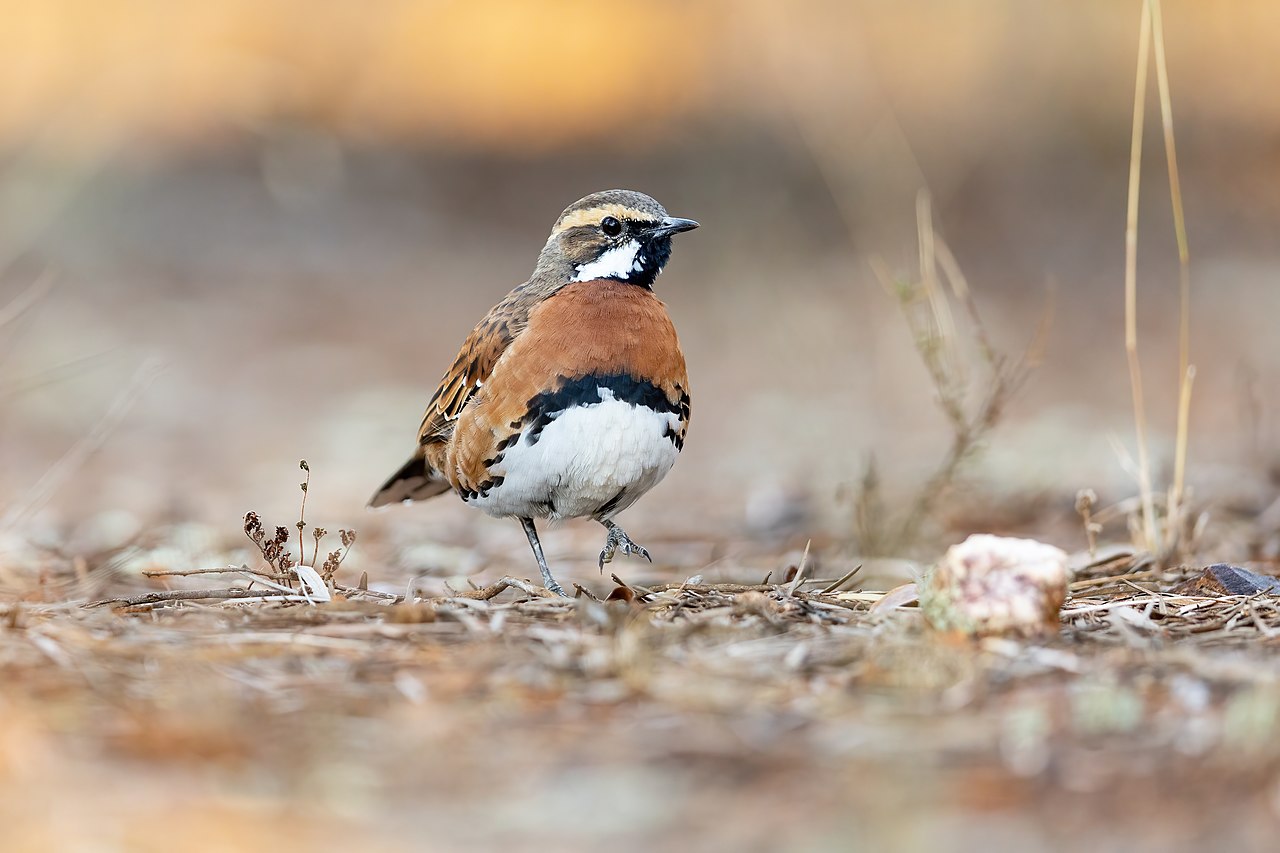
The chestnut-breasted cuckoo is a species of cuckoo in the family Cuculidae. It is found in Australia, Indonesia, and Papua New Guinea. Its natural habitats are subtropical or tropical dry forests and subtropical or tropical mangrove forests.
Region
Australasia
Typical Environment
Occurs in northern Australia, southern New Guinea, and parts of eastern Indonesia, especially in lowland forests. Favors tropical dry forests, monsoon woodland, mangroves, and dense riparian thickets. Often stays within the understory and mid-story, moving quietly through vine tangles and along forest edges. It is most common near watercourses and coastal mangrove systems and tends to avoid open savanna.
Altitude Range
Sea level to 1200 m
Climate Zone
Tropical
Ease of Keeping
Beginner friendly: 1/5
Like many cuckoos, it is a brood parasite, laying its eggs in the nests of smaller passerines and leaving them to raise its young. It is often detected by its clear, whistled calls more readily than by sight, as it keeps to dense cover. The rich chestnut underparts and long, white-tipped tail make it distinctive when seen well.

Temperament
secretive and skulking
Flight Pattern
short rapid wingbeats between perches
Social Behavior
Mostly solitary and unobtrusive, spending much time perched within dense foliage. It is a brood parasite, placing eggs in the nests of small insectivorous birds; the host parents then rear the chick. Breeding activity usually coincides with the wet season when insect prey is abundant.
Migratory Pattern
Resident
Song Description
Gives clear, whistled notes that may rise or fall in short series, often repeated from a concealed perch. Calls carry well at dawn and dusk and are a key cue to its presence in dense habitat.
Plumage
Slate-grey upperparts with a contrasting rich chestnut breast and belly; long, graduated tail with narrow pale barring and whitish tips. Throat and face are grey, with cleaner, unmarked underparts in bright chestnut.
Diet
Feeds mainly on insects such as caterpillars, beetles, and orthopterans, and also takes spiders and other arthropods. Often targets hairy caterpillars that many other birds avoid. Prey is gleaned from leaves and branches or taken in short sallies.
Preferred Environment
Forages within the understory and mid-canopy of mangroves, monsoon forests, and dense thickets along creeks and forest margins. Frequently searches along vine tangles and shaded edges where insect activity is high.