The brown-rumped seedeater is a species of finch in the family Fringillidae. It is native to the Ethiopian Highlands and Karkaar (Somaliland). It is widespread in towns, villages gardens, plantations and upland heath.
Region
Horn of Africa
Typical Environment
Found primarily in the Ethiopian Highlands and the Karkaar mountains of Somaliland, it occupies towns, villages, gardens, plantations, and upland heath. It also uses open scrub, edges of montane forest, and cultivated fields. The species adapts well to mosaic landscapes with scattered bushes and grass. In settled areas it frequents hedges, roadsides, and fallow plots where seed resources are abundant.
Altitude Range
1200–3600 m
Climate Zone
Highland
Ease of Keeping
Beginner friendly: 2/5
A small finch of the Horn of Africa, the brown-rumped seedeater thrives in human-altered landscapes as well as natural highland habitats. Its name comes from the contrasting brown rump that stands out in flight. It often forms small, loose flocks and readily visits gardens and farms to forage for seeds.


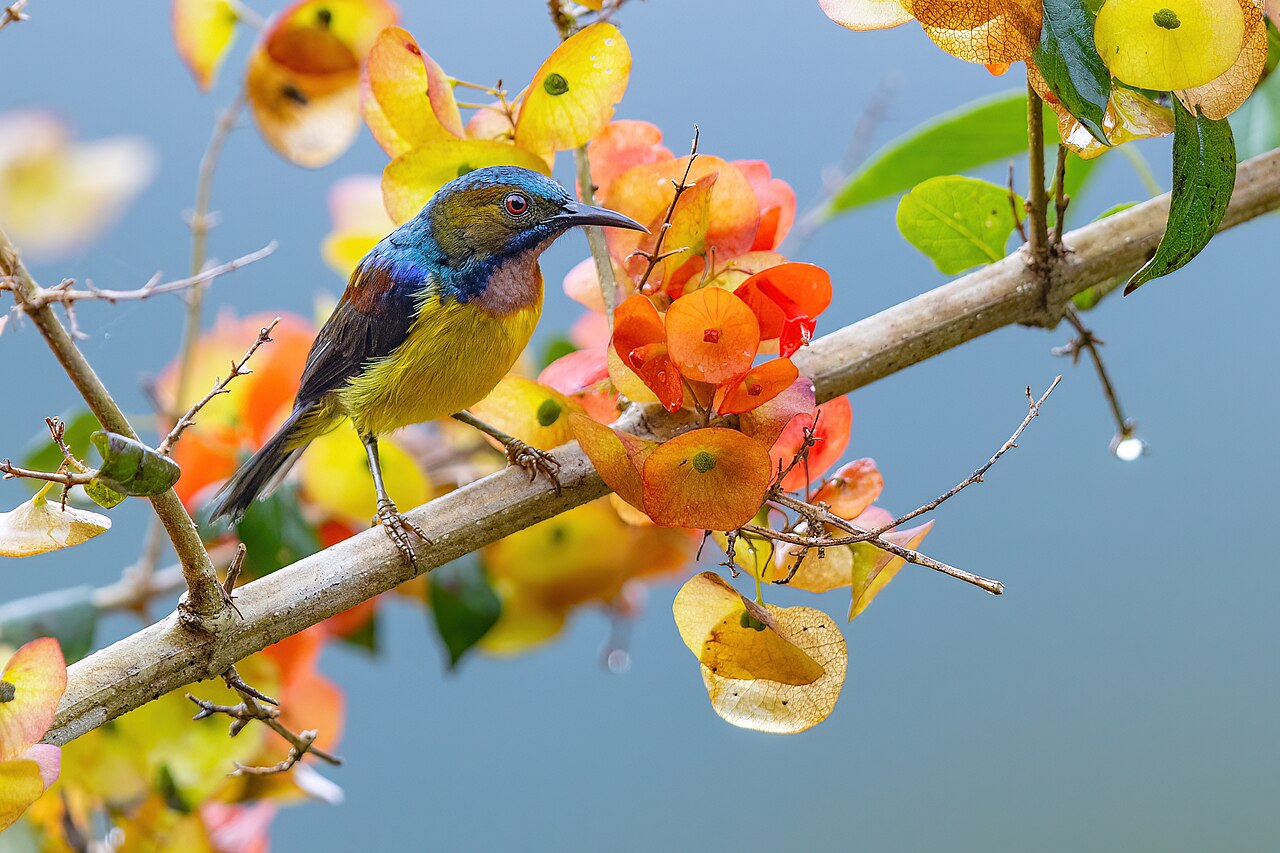
Foraging brown-rumped seedeater in Debre Berhan, Ethiopia
Temperament
social and active
Flight Pattern
short rapid wingbeats with an undulating flight
Social Behavior
Often seen in pairs or small flocks outside the breeding season, sometimes associating with other finches. Nests are cup-shaped and placed in shrubs or small trees, with both parents involved in care. It is largely sedentary within its range and tolerant of human presence.
Migratory Pattern
Resident
Song Description
A light, twittering finch song with thin, tinkling trills and short rattles. Males sing from exposed perches such as wires, bushes, or small trees, especially in the early morning.
Plumage
Overall brownish and finely streaked with paler underparts; rump distinctly warmer brown and contrasts with the back. The head is grey-brown with subtle streaking and a faint pale eyebrow. Wings are dusky with edging that can appear buff.
Diet
Primarily consumes small seeds of grasses and weeds, as well as cereal grains and crop spillage around farms. It also takes buds and soft plant material when seeds are scarce. In the breeding season it may supplement with small invertebrates for added protein. Grit is ingested to aid seed digestion.
Preferred Environment
Forages on the ground and low vegetation in open areas, field margins, and village edges. Frequently feeds along paths, in gardens, and at the edges of plantations where seeding grasses are abundant.