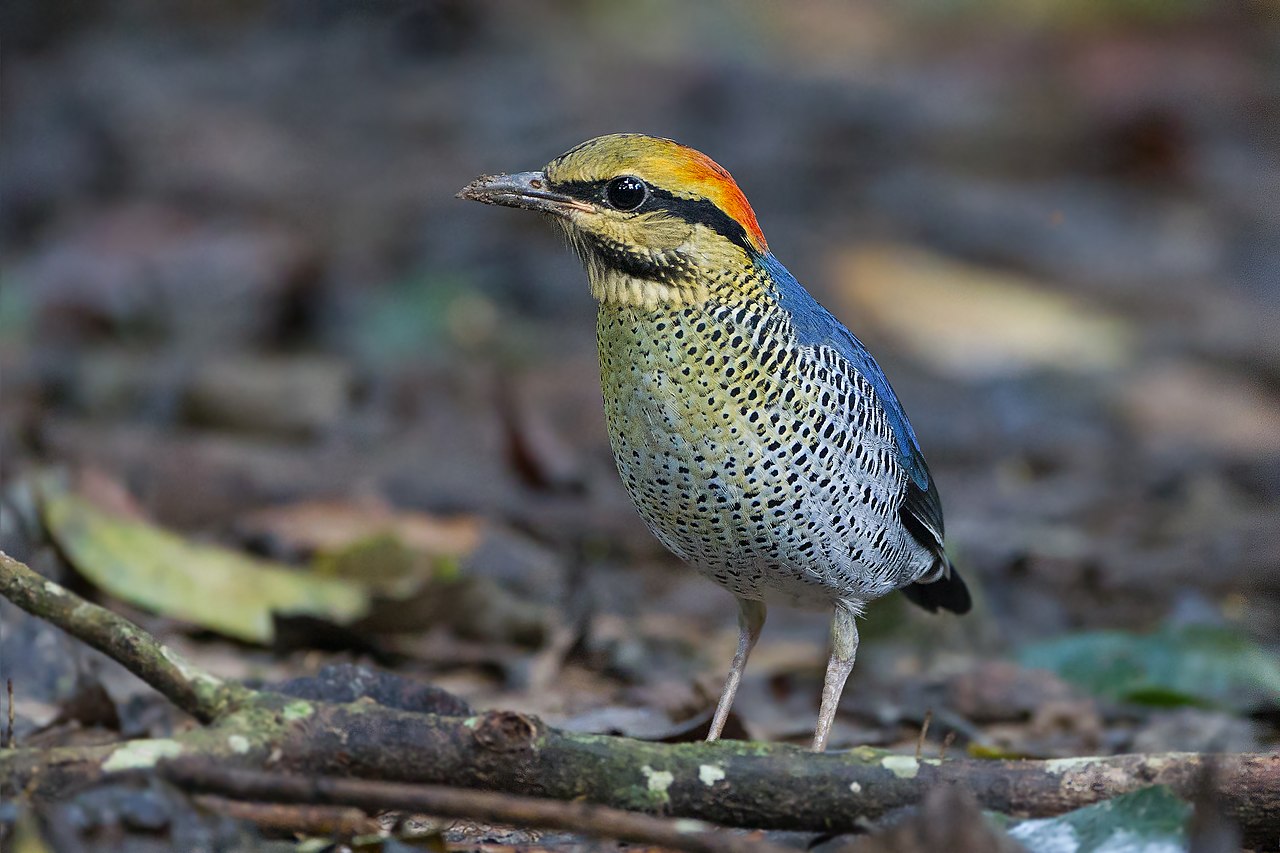
The blue mockingbird is a species of bird in the family Mimidae. It is endemic to Mexico, but has occurred as a vagrant in the southern United States. Its natural habitats are subtropical or tropical dry forests, subtropical or tropical moist montane forests, and heavily degraded former forest.
Region
Mexico (with rare vagrants to the southern United States)
Typical Environment
Found in subtropical dry forests, moist montane forests, riparian thickets, and dense second-growth. Prefers tangled understory, ravines, and brushy edges near water. Also occurs in coffee plantations, hedgerows, and semi-open woodland mosaics where cover is available. It is generally resident throughout its range, with only local movements.
Altitude Range
0–2500 m
Climate Zone
Subtropical
Ease of Keeping
Beginner friendly: 1/5
The blue mockingbird is a secretive mimid of dense thickets and forest edges across much of Mexico. It delivers rich, fluty phrases and harsh scolds, and may include mimicry of other birds in its repertoire. Though shy, it adapts to semi-open habitats and second-growth, which helps it remain relatively common. Rare vagrants have reached the southern United States.


Temperament
secretive and territorial
Flight Pattern
short rapid wingbeats, low to the ground
Social Behavior
Typically solitary or in pairs, especially during the breeding season. Nests are cup-shaped and placed low in dense shrubs or thickets. Pairs defend territories vigorously with scolding calls and display chases.
Migratory Pattern
Resident
Song Description
A rich, fluty series of whistles and warbles interspersed with harsh scolds. Phrases are varied and may include imitations of other species, delivered from concealed perches within dense cover.
Plumage
Uniform slate-blue to blue-gray plumage with slightly darker face and long, graduated tail; lacks wing bars.
Diet
Feeds on insects and other small invertebrates gleaned from leaf litter and low vegetation. Also takes berries and small fruits, especially in the non-breeding season. Occasionally forages for small lizards or other protein-rich items when available.
Preferred Environment
Forages in dense undergrowth, along forest edges, and in brushy ravines. Frequently searches near the ground or low in shrubs, moving methodically through cover.